
Rigatoni pasta is one of Italy’s boldest pasta shapes, instantly recognizable for its ridges and wide hollow tubes. From Roman kitchens to modern comfort food, rigatoni has become a pasta that thrives in both rustic and refined cooking.
This comprehensive guide explores everything you need to know, including origins, varieties, cooking tips, nutritional facts, sauce pairings, recipes, and why rigatoni remains a staple on Italian dining tables.
1. What Is Rigatoni Pasta?
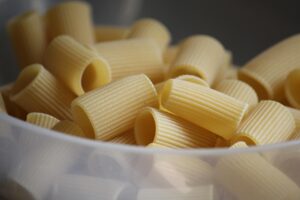
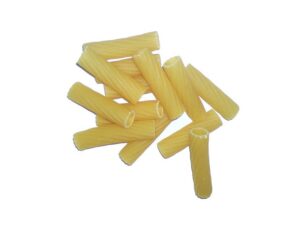
Rigatoni are large, tubular pastas with ridges running along their sides. Its ends are cut straight rather than diagonally, which sets it apart from penne pasta.
Shape: Cylindrical, wide diameter.
Surface: Ridges that hold thick sauces.
Texture: Firm, hearty bite.
The name “rigatoni” comes from rigare, meaning “to engrave” or “to furrow.” The grooves make rigatoni ideal for capturing sauce inside and out.
2. The Origins of Rigatoni Pasta
Rigatoni comes from central and southern Italy, particularly Rome and Sicily. Roman cooks embraced rigatoni because of its durability with rich ragùs and slow-cooked sauces.
Compared to tagliatelle in Emilia-Romagna or pappardelle in Tuscany, rigatoni reflects Rome’s love of bold, meaty dishes.
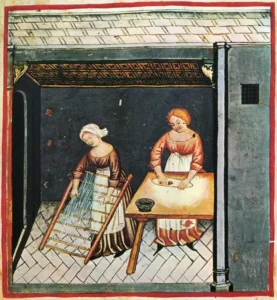
Fun fact: Rigatoni alla Pajata (Roman specialty with veal intestines and tomato sauce) was once a staple of working-class
Pasta Shape Cut Style Surface Texture Best Sauce Pairing Key Difference Rigatoni Straight Cut Deep Ridges Chunky Meat Ragù Large, wide tubes that trap meat and thick sauces inside and out. Penne Diagonal Cut Smooth or Ridged Spicy Arrabbiata Smaller diameter; diagonal ends make it more delicate than Rigatoni. Ziti Straight Cut Smooth Baked Cheese/Tomato Lacks ridges; ideal for casseroles where the pasta is fully submerged. Bucatini Long Strand Smooth Amatriciana Like thick spaghetti with a hole; better for lighter, oil-based sauces. Tortiglioni Straight Cut Spiral Ridges Creamy Mushroom Ridges wrap around the tube in a spiral, offering a slightly firmer bite. cuisine.
3. Varieties and Styles
Rigatoni isn’t one-size-fits-all. Here are the main versions:
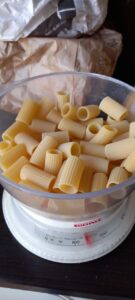
Standard Rigatoni: The classic size, about 1 inch long.
Rigatoni: Smaller and thinner, perfect for lighter sauces.
Large Rigatoni: Extra-wide, excellent for baking dishes.

Comparisons:
4. The Science Behind Rigatoni’s Shape
Rigatoni’s design isn’t random—it’s culinary engineering:
Ridges trap sauce, cheese, and meat.
Flat ends keep it upright in baked dishes.
Wide diameter makes it sturdy for chunkier sauces.
Thicker walls resist breaking during boiling or baking.
Where spaghetti excels with light sauces, rigatoni demands bold flavors.
5. Cooking Rigatoni Pasta Perfectly
Steps:
Boil water in a large pot (1 liter per 100 grams of pasta).
Add salt generously.
Stir rigatoni in the first minute.
Cook for 10–12 minutes to achieve an al dente texture.
For baked rigatoni, undercook by 2–3 minutes.
Save pasta water to blend with the sauce.
Tip: Don’t rinse rigatoni unless preparing cold pasta salad.
For details: How to cook pasta like an Italian.
6. Nutritional Profile
Standard rigatoni pasta (100g dry):
Calories: 350
Protein: 12g
Carbs: 70g
Fiber: 3g
Fat: 1g
Whole wheat or legume-based rigatoni offers an extra boost of fiber and protein.
7.
Best Sauces
What sauces work best with it?
It pairs best with thick, bold sauces that need a pasta shape with structure and ridges to cling to. Its wide tubes capture sauce, while the ridged exterior keeps it on the surface, creating full, balanced bites.
Meat ragù (classic Roman style)
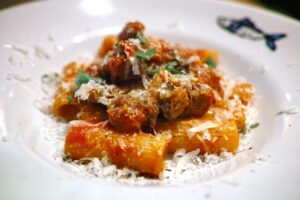
It excels with slow-cooked meat ragùs. The chunky texture of beef, pork, or mixed-meat sauces settles inside the tubes, while the ridges keep the sauce from sliding off. This pairing is a cornerstone of Roman cooking.
Tomato-based sauces with vegetables
Vegetable-forward tomato sauces with zucchini, eggplant, peppers, or mushrooms pair naturally with rigatoni. The pasta’s shape traps both sauce and vegetables, preventing lighter ingredients from separating.
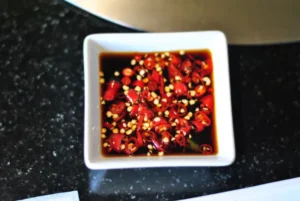
Spicy arrabbiata
It is ideal for arrabbiata sauce. The chili heat, garlic, and tomato cling to the ridges, while the hollow center holds bursts of spicy sauce, delivering intensity without overpowering the dish.
Cream-based sauces with mushrooms
Creamy mushroom sauces coat rigatoni evenly and stay anchored to the pasta’s surface. The firm bite of rigatoni balances the richness of cream, preventing the dish from feeling heavy.
Baked with béchamel and cheese
It performs exceptionally well in baked dishes. Béchamel and cheese melt into the tubes, while the pasta maintains its shape through oven cooking. This makes it a top choice for casseroles and layered bakes.
It stands out because it supports sauces that demand structure. When the sauce is thick, textured, or rich, it delivers the best possible bite.
8. Recipes You Must Try
Here are some standout recipes with video tutorials:
9.
Rigatoni in Italian Culture
It holds a respected place in Italian food culture, especially in Roman cuisine, where bold flavors and sturdy pasta shapes define many traditional dishes. Its wide tubes and deep ridges make it ideal for sauces that rely on fat, protein, and intensity rather than delicacy.
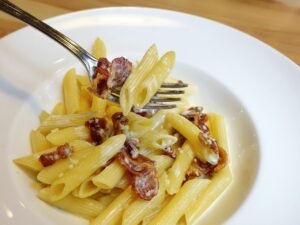
In Rome, it appears in classic preparations such as rigatoni alla Carbonara and rigatoni con pajata. These dishes reflect a core principle of Italian cooking: elevating simple, affordable ingredients through technique and balance. Its structure allows egg-based sauces, cured pork, and rich offal-based ragùs to cling firmly, ensuring flavor in every bite.
Beyond Italy, it became a staple of Italian-American cooking, where it adapted naturally to baked casseroles and cheese-heavy dishes. Baked rigatoni, layered with tomato sauce, meat, and melted cheese, mirrors the celebratory, communal style of meals shared at family gatherings. The pasta’s ability to hold its shape through long baking times made it a practical and popular choice.
Its journey from Roman trattorias to Italian-American kitchens shows how pasta travels across cultures without losing its identity. Its strength, versatility, and sauce-gripping design explain why it remains one of the most trusted and widely used pasta shapes in both traditional and modern cooking.
Trends:
Whole-grain rigatoni
Gluten-free chickpea rigatoni
Bronze-cut artisanal rigatoni
Learn more from our Soba pasta, Lumache pasta, Ruote pasta, and Guides
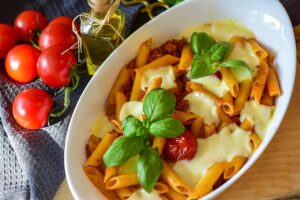
Noodles, Carbohydrates, Rigatoni image
11. Rigatoni vs Other Pasta Types
Rigatoni vs. Penne: Rigatoni is larger and ridged, while penne is smaller and diagonally cut.
Rigatoni Ziti: Ziti is smooth and often used in American-Italian dishes.
Rigatoni vs Bucatini: Bucatini is long spaghetti with a hole down the center, suited for lighter sauces.
12.
FAQs
Q: How long does rigatoni take to cook?
It typically cooks in 10–12 minutes until al dente. For baked dishes, reduce the boiling time by 2–3 minutes so the pasta finishes cooking in the oven without becoming soft or collapsing.
Q: Can it be used in pasta salad?
Yes. It works very well in pasta salads because its ridges and wide tubes hold dressing inside and out. After cooking, cool it completely before mixing with vinaigrette-style dressings, vegetables, or proteins to keep the texture firm.
Q: Is it healthier than other pastas?
It has a nutritional profile similar to most wheat-based pastas. However, whole wheat provides more fiber and promotes longer satiety. The dish’s healthfulness depends largely on portion size and the choice of sauce.
Q: Why choose the bronze-cut one?
Bronze-cut has a slightly rough surface created by traditional extrusion methods. This texture grips sauce more effectively than smooth pasta, resulting in better flavor distribution and a more satisfying bite.
Q: Does Rigatoni Pasta hold sauce better than penne or ziti?
Yes. Rigatoni Pasta’s wider diameter and deeper ridges allow it to trap thicker sauces more efficiently than narrower tubes. Chunky meat sauces, vegetable ragùs, and baked preparations benefit most from its structure.
Question: How does the bronze-cut extrusion process affect Rigatoni’s flavor? Answer: High-quality Rigatoni pasta is often made using bronze-cut extrusion, which creates a coarse, sandpaper-like surface texture. Unlike smooth, Teflon-die pasta, this porous exterior significantly increases the surface area, allowing emulsified sauces and oils to cling to the ridges rather than sliding off. This results in a superior “sauce-to-pasta” ratio in every bite.
Question: What is the difference between Rigatoni Pasta and Tortiglioni in terms of “sauce grip”? Answer: While both are tubular pasta shapes, the primary difference lies in the ridge orientation. Rigatoni features vertical grooves that run parallel to the tube, making it ideal for chunky meat ragùs. Tortiglioni, however, has spiral ridges that wrap around the tube, offering a slightly different mouthfeel and a more specialized grip for thinner, oil-based sauces that need to be “guided” around the shape.
Question: Why is Rigatoni Pasta preferred over Penne for heavy baked casseroles? Answer: Rigatoni is the preferred choice for baked pasta dishes because of its structural integrity. The straight-cut ends and thicker walls allow the tubes to remain open and cylindrical under the weight of heavy mozzarella and béchamel. Unlike Penne, which has thinner walls and diagonal ends that can collapse during long oven times, Rigatoni maintains an al dente bite even after reheating.
Q: Why does Rigatoni pasta hold up better in baked dishes compared to Penne?
The preference for Rigatoni pasta over penne in heavy baked casseroles (pasta al forno) comes down to structural integrity and architectural design. Rigatoni features thicker walls and straight-cut, open ends that act like columns under the weight of heavy mozzarella, ricotta, and béchamel.
While penne has thinner walls and sharp, diagonal ends that tend to collapse and trap steam during long oven baking times (leading to a mushy texture), Rigatoni maintains its hollow shape. This allows molten cheese and sauces to flood inside the tubes while the pasta retains an excellent al dente bite even after being baked and reheated.
Q: What is the difference between bronze-cut Rigatoni and standard Teflon-extruded Rigatoni pasta?
The difference lies entirely in the surface texture and how it interacts with your sauce. High-quality, artisanal Rigatoni is extruded through traditional bronze dies, which leaves a coarse, matte, sandpaper-like finish on the dough. This porous exterior drastically increases the surface area of the pasta, allowing emulsified sauces and cooking oils to physically cling to the ridges rather than sliding off.
In contrast, standard mass-produced pasta is pushed through smooth Teflon dies, resulting in a shiny, slick surface that repels sauce, causing it to pool at the bottom of your plate instead of clinging to the noodle.
Q: How do you fix Rigatoni pasta if the tubes begin to split or crack while boiling?
If your Rigatoni pasta tubes are splitting open or losing their circular shape in the pot, it is usually caused by turbulent water or a rapid temperature drop. Because Rigatoni is a larger, heavier shape, it is highly sensitive to being violently tossed around by a high-heat, aggressive boil, which physically breaks the starch bonds at the seams.
To prevent this, maintain a gentle, rolling boil instead of maximum heat. Furthermore, avoid aggressively stirring the pot with rigid metal utensils during the first two minutes of cooking when the wheat proteins are at their most fragile, hydrating stage—switch to a wooden spoon or a gentle silicone spatula instead.
Why is Rigatoni Pasta considered the Best Pasta?
Rigatoni Pasta is often called the best pasta because it balances shape, texture, and versatility better than most pasta types. Its ridged exterior grips sauce, while the wide, hollow center captures chunks of meat, vegetables, and cheese in every bite.
The rigatoni pasta’s thickness gives it a firm, satisfying chew that holds up well during baking and reheating. Unlike thinner shapes, rigatoni does not collapse under heavy sauces or long cooking times.
Rigatoni Pasta is also highly versatile. It works equally well in baked casseroles, stovetop dishes, vegetable-forward recipes, and even cold pasta salads. Few pasta shapes handle such a wide range of sauces and cooking methods without losing structure.
In short, Rigatoni Pasta stands out for its excellent sauce grip, sturdy texture, and adaptability, making it a reliable choice for both everyday meals and classic Italian recipes.
Perfect pasta comes down to mastering a few core fundamentals: using the right cooking method, understanding how water and starch interact, pairing the right pasta with the right sauce, and avoiding common mistakes. When these elements come together, your pasta has a better texture, improved flavor, and holds sauce more effectively. To build these skills, follow a complete pasta cooking guide, learn the water science behind pasta, explore the best pasta for each sauce, and understand common pasta mistakes. These foundational techniques will help you cook better pasta every time, no matter the shape or recipe.
Bucatini Pasta: 7 Powerful Secrets for Perfect Recipes
Pasta Cooking : 9 Powerful Secrets for Perfect Results
Casarecce Pasta: 11 Essential Secrets for Perfect Sauce
Cappelletti Pasta: 7 Amazing Secrets of This Italian Classic
Linguine Pasta: 7 Amazing Secrets You Should Know
Above are our valuable contributions and informational hubs
Conclusion
Rigatoni pasta earns its reputation through performance. Its wide tubes, deep ridges, and firm structure allow it to handle sauces that overwhelm lighter pasta shapes. From classic Roman ragùs and spicy arrabbiata to creamy mushroom sauces and baked dishes layered with béchamel and cheese, rigatoni delivers consistent texture and full flavor in every bite.
What sets rigatoni pasta apart is balance. It grips sauce without becoming heavy, stays intact through long cooking, and adapts easily to both traditional Italian recipes and modern home cooking. Few pasta shapes offer the same combination of strength, versatility, and reliability.
Call to Action
Put rigatoni pasta to work in your kitchen. Try it with a slow-simmered meat ragù, bake it with cheese and béchamel, or toss it with vegetables and a bold tomato sauce to experience how well it carries flavor.
Explore more pasta shape guides, cooking tips, and authentic Italian pairings on PastaLoverz.com. If this Rigatoni Pasta guide helped you choose the right sauce or recipe, save it, share it with fellow pasta lovers, and keep discovering why the right pasta shape makes all the difference.
Understanding the Differences: Rigatoni pasta vs. Alternative Shapes
While many Italian pasta types share a tubular lineage, their specific architectural details completely change how they hold onto a sauce and feel to the bite. Here is how Rigatoni stacks up against its closest culinary cousins:
| Pasta Shape | The Cut | Exterior Texture | Absolute Best Sauce Match | The Real-World Difference |
| Rigatoni | Cut perfectly straight at the ends | Covered in deep, parallel grooves | Thick, chunky meat ragùs | Big, wide cylinders engineered to swallow up heavy chunks of meat and trap thick sauces both inside and out. |
| Penne | Sliced at a sharp, quill-like angle | Available either smooth or finely ridged | Fiery tomato Arrabbiata | Noticeably narrower and more delicate; the pointed ends spear small ingredients instead of scooping them up like Rigatoni. |
| Ziti | Cut into long, straight-edged tubes | Completely smooth | Heavy baked cheese bakes | Lacks any outside texture, making it the ultimate canvas for bubbling oven casseroles where the pasta gets entirely smothered. |
| Bucatini | Long, continuous strands | Smooth, rounded exterior | Classic Roman Amatriciana | Looks like thick spaghetti from afar, but features a secret pinhole running through the center to pull up savory oils and lighter sauces. |
| Tortiglioni | Cut perfectly straight at the ends | Grooves that wrap around in a spiral | Rich, velvety cream and mushroom | The unique spiral ridges offer a slightly tougher, sturdier chew and guide silky, uniform sauces beautifully around the shape. |
💡 Pro Tip: Master the “Mantecatura” for a Restaurant-Quality Finish
The ultimate secret separating a home-cooked rigatoni dish from a high-end Roman trattoria is a technique called mantecatura—the process of vigorously whipping the pasta and sauce together at the very end.
When your rigatoni is roughly 60 seconds away from perfect al dente, drop it directly into your simmering sauce skillet over high heat along with a generous splash ($\approx 1/4$ cup) of your reserved starchy pasta water and a drizzle of quality olive oil or butter. Turn off the flame, add your grated Parmigiano or Pecorino, and toss the pan dynamically. The mechanical agitation forces the ungelatinized surface starches of the rigatoni to rapidly fuse with the sauce fats and dairy proteins, forming a thick, velvety cream that fills the hollow tubes and clings flawlessly to every ridge!

Syed Yasar Arafat is the founder of PastaLoverz.com and a food research enthusiast with a focused interest in pasta varieties, traditional Italian cuisine, and balanced eating. Through PastaLoverz.com, he publishes well-researched articles that explain pasta types, cooking methods, and nutritional considerations in clear, practical terms to help readers make informed food choices.

9 Responses