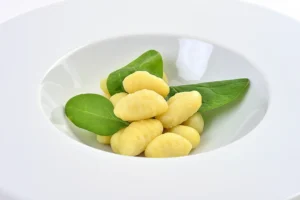
Gnocchi pasta should be soft, light, and cloud-like. Yet many home cooks end up with dense, gluey dumplings that feel more like rubber than comfort food.
The truth is simple. Gnocchi pasta is not difficult. It is precise.
When you understand the right potato choice, dough handling, and cooking method, everything changes. You get delicate pillows that melt in your mouth instead of sinking like wet cement.
In this guide, you will learn 7 proven secrets that professional kitchens use to guarantee fluffy, tender gnocchi every single time.
If you have been burned by imperfect gnocchi pasta, you are not alone. It is arguably the most unforgiving “pasta” to master. But when it’s good? It is transformative.
This isn’t just another recipe. This is a deep dive into the science, soul, and strategy of gnocchi pasta. We are going to strip away the bad advice, tackle the “mushy” nightmare head-on, and look at why modern home cooks are ditching the boiling pot entirely.
First Things First: Is Gnocchi Pasta or a Dumpling?
If you type “is gnocchi pasta” into Google, you will see thousands of people asking the same thing. It is the culinary world’s favorite identity crisis.
Technically, and semantically, gnocchi pasta is a dumpling.
Authentic pasta—pasta secca or pasta fresca—is a dough made primarily of wheat flour and water (or eggs), developed to create gluten structure. Gnocchi pasta, on the other hand, is a mash of an ingredient (usually potato, but sometimes ricotta, spinach, or semolina) bound together with just enough flour to keep it from disintegrating.
Why does this distinction matter? Because treating gnocchi like pasta is exactly why yours might be failing. You cannot knead it like sourdough. You cannot boil it for 10 minutes like spaghetti. It requires a delicate hand, more akin to making a pie crust than Fettuccine.
The Science of the Potato: Why Your Gnocchi Pasta Is Mushy?
The number one query from frustrated cooks is: “Why is my gnocchi mushy?”
The answer almost always lies in moisture. Water is the enemy of light gnocchi pasta. The more water in your potato, the more flour you have to add to get a workable dough. The more flour you add, the denser and chewier the final product becomes. It’s a tragic cycle.
The Potato Hierarchy
The King: Russet (or Idaho) Potatoes. These are high-starch, low-moisture potatoes. When cooked, they become fluffy and dry—perfect for absorbing just a little flour without becoming gluey.
The Enemy: Waxy Potatoes (Red Bliss, Yukon Gold). These hold their shape well in a salad because they have high moisture content and low starch content. In gnocchi, they are a disaster. They turn gummy when mashed and require heaps of flour to bind.
The “Bake, Don’t Boil” Rule
Most old-school recipes tell you to boil whole potatoes. I am here to tell you to stop doing that immediately.
Boiling potatoes introduces water into the vegetable. Even with the skin on, moisture seeps in. Instead, bake your potatoes whole on a bed of coarse salt. The salt draws moisture out of the potato as it cooks. You want the flesh to be dry, almost mealy. That dry fluff is the secret to the “cloud-like” texture everyone chases.
Frequently Asked Questions About Gnocchi Pasta
1. Why is my gnocchi pasta gummy or rubbery?
The most common cause of gummy gnocchi is overworking the dough. When you knead the potato and flour too much, you develop gluten, which turns a light dumpling into a chewy one. Another culprit is using waxy potatoes; always stick to high-starch Russets to maintain that airy texture.
2. Do I have to boil the potatoes?
Actually, it is better if you don’t! Boiling can introduce too much moisture. For the fluffiest gnocchi pasta, bake your potatoes whole on a bed of salt. This dries out the potato flesh, allowing it to absorb the flour without becoming a “gluey mess.”
3. Can I make gnocchi without a ricer?
While a potato ricer is the professional’s secret to lump-free dough, you can use the fine side of a box grater in a pinch. Avoid using a traditional masher, as it compresses the potatoes and leads to a denser, heavier dumpling.
4. Is gnocchi considered pasta or a dumpling?
Technically, gnocchi is a dumpling. While it is served in the “primo” (first course) slot usually reserved for pasta, its primary ingredient is potato or cheese rather than grain. However, in the culinary world, it is almost universally categorized alongside traditional pasta shapes.
5. How do I know when gnocchi is finished cooking?
Gnocchi is incredibly fast. Once you drop them into simmering water, they will sink to the bottom and then float to the surface when done—usually within 2 to 4 minutes. Remove them immediately with a slotted spoon to prevent them from becoming waterlogged.
Q: Why does overworking the dough make potato gnocchi rubbery?
The secret to fluffy, cloud-like gnocchi pasta lies in minimizing gluten development. Wheat flour contains proteins that form an elastic, chewy network when mixed with moisture and kneaded. While this chewiness is ideal for traditional pasta shapes like spaghetti, it turns potato dumplings dense and rubbery. To maintain a delicate melt-in-your-mouth texture, mix your flour into the riced potatoes with a light hand until just combined—never handle it like pizza or bread dough.
Q: Which potato varieties provide the best texture for homemade gnocchi?
You should exclusively use high-starch, low-moisture varieties like Russet potatoes (or Idaho potatoes). Their dry, mealy texture after baking allows them to bind with a minimal amount of flour. Avoid waxy potatoes (such as Yukon Gold or Red Bliss) at all costs; their high moisture and low starch content will turn into a sticky, gummy paste when processed, forcing you to dump in excess flour, which ruins the airy structure.
Q: Why is a potato ricer essential compared to a standard hand masher?
Using a professional potato ricer or food mill ensures your cooked potato flesh is aerated and completely lump-free without damaging the starch cells. Standard handheld loop mashers smash and compress the potatoes, releasing bound starches and creating a gluey consistency before you even add the flour. A ricer creates light, separate strands of potato fluff that readily accept flour with minimal mixing.
Q: What is the benefit of pan-searing gnocchi over the traditional boiling method?
While boiling is classic, pan-fried gnocchi eliminates the risk of waterlogging, which often turns the dumplings mushy. Tossing them directly into a hot skillet with olive oil or butter creates a crisp, golden crust on the exterior while letting the inside steam gently into a soft pillow.
This contrast of a crunchy shell and a tender interior is highly forgiving for home cooks and holds up beautifully against rich sauces like brown butter, sage, or gorgonzola cream.
Q: Why is it crucial to use hot potatoes when making homemade gnocchi pasta?
Timing is everything when it comes to the structural integrity of your dough. You must pass your potatoes through a ricer while they are still steaming hot because this is when the starch granules are fully expanded and open. In this ideal state, they will easily integrate with the flour without forcing you to overwork the dough. If you let the potatoes cool down, the starches retrograde and close up, which means you will have to knead the Gnocchi pasta mixture much harder to combine the ingredients. Over-handling cool dough inevitably activates the gluten, stripping the Gnocchi pasta of its signature light, pillowy texture and leaving you with dense, gummy results.
Q: How can you prevent gnocchi pasta from dissolving or breaking apart in water?
If your Gnocchi pasta is disintegrating the moment it hits the pot, it usually comes down to excess moisture or an insufficient binding agent. To fix this for your remaining dough, gently fold in a few extra tablespoons of flour to stabilize the mixture. For future batches, adding a single egg yolk to your Gnocchi pasta dough serves as an excellent insurance policy; it binds the potato fluff securely without making the dumplings heavy. Lastly, check your stove: Gnocchi pasta should never be dropped into a violent, rolling boil. The aggressive turbulence of heavily boiling water will physically tear the delicate potato pillows apart, so always opt for a gentle, steady simmer instead.
The Process: The “Hot Potato” Technique
If you look at the search trends, people are desperate for “easy gnocchi pasta recipes.” But “easy” often leads to shortcuts that ruin the texture. The real secret isn’t a shortcut; it’s timing.
You must rice your potatoes while they are steaming hot.
When the potato is hot, the starch granules are expanded and open. They accept the flour readily. If you let the potatoes cool down, the starches retrograde and close up. You will end up kneading the dough harder to incorporate the flour, which develops gluten.
Gluten is the enemy of gnocchi. In bread, we want gluten for chew. In gnocchi, chewiness is failure. We want just enough structure to hold the shape, and no more.
Rice, don’t mash. Never use a hand masher. It leaves lumps. Use a potato ricer or a food mill to get a uniform, airy pile of potato fluff.
The Egg Debate. Purists (especially from Northern Italy) will say no egg. Just potato and flour. This is the “Holy Grail” texture, but it is complicated to work with. For 99% of home cooks, add one egg yolk. It acts as an insurance policy, binding the dough so it doesn’t dissolve in the water, without adding the weight of the white.
The Touch. Mix the dough until it just comes together. It should look a bit shaggy. Stop. Do not knead it into a smooth dough like pizza dough.
The Ridge: Aesthetics or Function?
You’ve seen the little wooden boards (rigagnocchi) used to roll ridges into the dumplings. Is this just for show?
Not entirely. The ridges increase the dumpling’s surface area, allowing it to hold more sauce. A smooth gnocchi is slippery; the sauce slides right off. A ridged gnocchi pasta grabs onto that Ragù or Brown Butter Sage sauce and refuses to let go.
If you don’t have a board, the back of a fork works just as well. It’s a classic “nonna” move that costs nothing.
The Modern Revolution: Pan-Searing vs. Boiling
Here is where the data gets interesting. Search queries for “pan-fried gnocchi” and “Sheet pan gnocchi” have skyrocketed in the last few years. Why?
Because boiling gnocchi is high-risk, even a 30-second overcook makes them waterlogged.
The Pan-Sear Method (The Crispy Pillows)
This is arguably the best way to eat gnocchi, especially store-bought ones. Instead of boiling them, you toss them directly into a skillet with butter and olive oil.
Why it works: You create a golden, crispy crust on the outside while the inside steams gently, staying soft. It solves the texture issue instantly. You get the contrast of crunch and soft that our brains love.
The Sheet Pan Method (The Weeknight Hero)
This is the “set it and forget it” approach. Toss gnocchi with cherry tomatoes, sausage, peppers, and oil (shelf-stable or refrigerated). Roast at 400°F (200°C) for 20 minutes.
Why it works: The high heat roasts the vegetables and crisps the gnocchi at the same time. The juices from the bursting tomatoes create a natural sauce. It is a one-pan meal that feels gourmet but takes zero effort.
Troubleshooting: Saving Your Dinner
Let’s look at the “long tail” problems people search for.
“My gnocchi is dissolving in the water!”
The Cause: Not enough binder (flour/egg) or the water is boiling too violently.
The Fix: You can’t save the ones in the pot. For the remaining dough, dust with flour and fold it in gently. Turn your water down to a gentle simmer. Never a rolling boil.
“My gnocchi is tough and rubbery.”
The Cause: You overworked the dough. You activated the gluten.
The Fix: There is no way to fix the dough once the gluten is developed. Cook them, but instead of serving them with a light sauce, bake them al forno style. Drown them in marinara sauce and mozzarella, then bake until bubbly. The cheese and sauce will mask the toughness.
Beyond the Potato: The Alternative Universe
While Gnocchi di Patate is the classic, the search landscape shows a considerable interest in alternatives.
Ricotta Gnocchi (Gnudi)
If potato gnocchi pasta scares you, start here. Ricotta gnocchi are easier. You drain the ricotta cheese (a crucial step!) and mix it with flour, egg, and Parmesan. They are lighter, richer, and take half the time because there are no potatoes to bake and peel.
Cauliflower Gnocchi
Driven by the Trader Joe’s phenomenon, this is the low-carb darling. If you are making this at home, you must squeeze the water out of the steamed cauliflower using a cheesecloth. Cauliflower is 92% water. If you don’t wring it out like a wet towel, you will end up with cauliflower soup, not dumplings.
Pairing Logic: Respecting the Dumpling
Finally, how do you serve them? The sauce should match the weight of the gnocchi pasta.
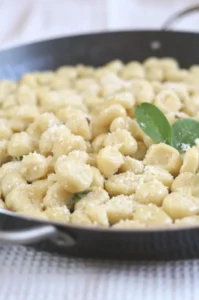
Potato Gnocchi: Robust. They can handle a meat sauce (Bolognese), a rich cheese sauce (Gorgonzola), or the classic Brown Butter and Sage. The earthiness of the potato pairs well with the nuttiness of browned butter.
Ricotta Gnocchi: Delicate. Keep it light—a fresh Pomodoro (tomato basil) or a simple Pesto. Do not bury them in heavy meat ragù; you will lose the cheese’s delicate, milky flavor.
“If you enjoy twisted shapes like Gemelli pasta, you’ll appreciate how gnocchi holds sauces.”
The Verdict
Gnocchi pasta is a project, yes. But it is a project that connects you to a centuries-old tradition of making something out of almost nothing—just a humble potato and a handful of flour.
1. Gnocchi lovers who enjoy soft and comforting pasta shapes may also appreciate Pastina pasta, especially in soups.
Whether you are rolling them down a wooden board on a Sunday afternoon or tossing a bag of them onto a sheet pan for a Tuesday dinner, the goal is the same: comfort. Pure, unadulterated carbohydrate comfort.
So, buy some Russets. Turn on the oven. And remember: be gentle. The dough can smell fear, but it responds beautifully to a soft touch.
If you like thick, sauce-grabbing shapes, check out Radiatori pasta, which has a similar hearty feel.
Many pasta problems, such as a mushy texture, a bland taste, or poor sauce coverage, stem from missing key fundamentals. The solution is simple: focus on proper cooking methods, water science, and pairing pasta shapes with the right sauces.
A complete pasta cooking guide, combined with knowledge of water science for pasta, the best pasta for each sauce, and common pasta mistakes, helps you fix errors and achieve perfectly cooked pasta every time.
Pastina Pasta: 7 Reasons It’s the Ultimate Comfort Food
Best Pasta for Alfredo Sauce: 7 Picks for Creamy Perfection
Pasta Shape and Sauce Pairing Guide: 7 Secrets of Success
Strozzapreti Pasta: 7 Facts & How to Cook It Perfectly
Alphabet Pasta: 7 Best Secrets for Fun Tiny Soup Shapes
Above are our valuable contributions and informational hubs.
Summary:
Gnocchi are soft, pillowy Italian dumplings traditionally made from potatoes, flour, and sometimes eggs, known for their light texture and ability to absorb sauces beautifully. Unlike dried pasta such as spaghetti, gnocchi cooks quickly and pairs well with butter, tomato, or creamy sauces, making it a versatile comfort dish. According to Serious Eats, choosing the right sauce balance is key to pasta success. At the same time, The Kitchn Gnocchi Overview explains that gnocchi’s tender structure requires gentle handling and precise cooking. For practical inspiration, BBC Good Food Gnocchi Recipes highlights simple, flavorful ways to prepare gnocchi for everyday meals.
Watch it while cooking:
CREAMY ALFREDO GARLIC SPINACH GNOCCHI
Comparison Table: Varieties of Italian Gnocchi
| Gnocchi Variety | Primary Base Ingredient | Texture Characteristics | Critical Technique Secret | Classic Traditional Sauces |
| Gnocchi di patate (Potato Gnocchi) | High-starch Russet potatoes & “00” flour | Fluffy, pillowy, and cloud-like, it melts in the mouth. | Bake, don’t boil the potatoes to eliminate water moisture; minimize kneading to avoid gluten development. | Brown Butter & Sage, rich Beef Ragù, Gorgonzola cream. |
| Gnocchi di Ricotta (Gnudi) | Drained ricotta cheese, Parmesan, & egg | Incredibly light, velvety, and milky; more delicate than potato. | Squeeze or drain moisture from the fresh ricotta using cheesecloth prior to mixing to prevent a sticky dough. | Light fresh Pomodoro (Tomato Basil), simple brown butter, or light Pesto. |
| Gnocchi alla Romana | Semolina flour, milk, butter, & egg yolks | Dense, firm, and creamy; baked as flat discs rather than individual dumplings. | Cook the semolina directly in hot milk like polenta, spread flat to cool, and cut into overlapping rounds before baking. | Baked al forno with melted butter, pecorino cheese, and a pinch of nutmeg. |
| Parisienne Gnocchi | Choux pastry (pâte à choux) | Light, airy, and slightly hollow; puffs up beautifully during cooking. | Pipe the soft dough directly from a pastry bag into simmering water, cutting the strands with a knife. | Rich Gruyère cheese sauce, Mornay sauce, or baked with wild mushrooms. |
Conclusion
Mastering Gnocchi pasta is about slowing down. It is about rejecting the speed of modern convenience for the satisfaction of creating something beautiful by hand. When you press that stamp down or roll those dough cushions across a ridged board to reveal a perfect, sauce-catching texture, you are participating in a ritual that has sustained Italian families for centuries.
By taking your time to honor this traditional process, your homemade Gnocchi pasta transforms from simple potato dough into a remarkable culinary experience. So, gather your ingredients, pour yourself a glass of wine, and start shaping. Your kitchen may not be a Renaissance palace, but with a magnificent plate of fresh Gnocchi pasta and a bowl of velvety sauce, you will dine like royalty. Indeed, few things compare to the pure comfort of flawlessly executed Gnocchi pasta.
💡 PastaLoverz Pro Tip for Ultimate Lightness
The secret to avoiding dense, chewy dumplings lies in how you handle your flour integration. When making authentic Gnocchi pasta, you should never dump all of your flour onto the potatoes at once. Instead, sift about three-quarters of your flour over the warm potato fluff, add your egg yolk, and gently fold the mixture together using a bench scraper rather than your bare hands. This minimizes heat transfer from your palms and prevents over-activating the gluten.
Only add the remaining flour if your Gnocchi pasta dough feels too sticky to roll into ropes. By treating Gnocchi pasta with a delicate hand—stopping the mixing process the exact second a cohesive dough forms—you guarantee that every single pillow of your homemade Gnocchi pasta will cook up incredibly light, airy, and melt-in-your-mouth tender.

Syed Yasar Arafat is the founder of PastaLoverz.com and a food research enthusiast with a focused interest in pasta varieties, traditional Italian cuisine, and balanced eating. Through PastaLoverz.com, he publishes well-researched articles that explain pasta types, cooking methods, and nutritional considerations in clear, practical terms to help readers make informed food choices.

0 Responses