Best Pasta for Alfredo Sauce: 7 Expert Picks for Perfect Creamy Coating Every Time
The best pasta for Alfredo sauce can make or break your dish. Choose the wrong shape, and the creamy sauce slides off, leaving your pasta bland and watery. Choose the right one, and every bite turns rich, smooth, and perfectly coated.
Most home cooks focus on the sauce but ignore the pasta shape. That is the real mistake. The best pasta for Alfredo sauce holds the sauce, grips it, and evenly carries it.
In this guide, you will discover the 7 best pasta types that lock in creamy Alfredo, improve texture, and instantly upgrade your cooking to restaurant quality.
📚 Table of Contents
- What Makes Alfredo Sauce Unique
- Best Pasta for Alfredo Sauce (Top 7 Picks)
- Why Pasta Shape Matters for Alfredo
- Long vs Short Pasta for Alfredo
- Common Mistakes to Avoid
- Pro Tips for Perfect Alfredo Pasta
- FAQs
- Final Thoughts
Best Pasta for Alfredo Sauce
The best pasta for Alfredo sauce is the foundation of a rich, creamy, restaurant-quality dish.
Choosing the best pasta for Alfredo sauce ensures the sauce clings properly, delivering a smooth, balanced bite every time.Alfredo sauce is a thick, butter-and-cheese-based emulsion. It needs pasta with enough surface area or structure to hold the sauce without letting it slide off. When you match the right pasta shape with this creamy sauce, the texture improves instantly, and the flavor becomes more consistent in every bite.
For beginners, understanding pasta fundamentals makes a noticeable difference. Start with a reliable guide like Serious Eats, which explains how starch and emulsification help sauces bind to pasta properly.
💡 What Makes Pasta Ideal for Alfredo Sauce?
The best pasta for Alfredo sauce shares a few key characteristics:
- High surface area so the sauce can coat evenly
- Texture or ridges to grip the creamy sauce
- Strong structure to hold up against a rich, heavy sauce
Flat pasta like Fettuccine creates a classic, silky coating, while shapes like penne or rigatoni trap sauce inside for a richer bite.
According to Bon Appétit, pasta shape plays a critical role in how sauces cling, especially for butter-based emulsions like Alfredo.
The best pasta for Alfredo sauce is Fettuccine because its flat surface evenly holds the creamy sauce. Tube-shaped pasta, like penne, also works well because it traps sauce, while thin pasta, like spaghetti, holds less sauce.
Why This Matters for Your Cooking
Using the wrong pasta leads to:
- Sauce pooling at the bottom of the plate
- Uneven flavor distribution
- A thinner, less satisfying texture
Using the right pasta gives you:
- Perfect sauce coating
- Better texture and mouthfeel
- A true restaurant-quality result
What Makes Alfredo Sauce Unique
Alfredo sauce is different from tomato-based sauces.
It is:
- Thick and creamy
- Rich in butter and cheese
- Dependent on emulsification
This means pasta must support the weight and texture of the sauce. The science behind this is explained in Water Science for Pasta, where starch helps bind the sauce.
Best Pasta for Alfredo Sauce (Top 7 Picks)
1. Fettuccine (Best Overall)
Wide, flat noodles hold creamy sauce perfectly.
This is the traditional Alfredo choice.
2. Tagliatelle
Similar to Fettuccine but slightly thinner.
Works well for a lighter Alfredo texture.
3. Pappardelle
Very wide ribbons that carry heavy sauce beautifully.
Ideal for rich variations.
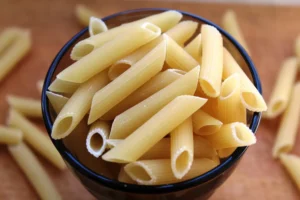
4. Penne
Tube shape traps sauce inside.
Great for creamy bites in every forkful.
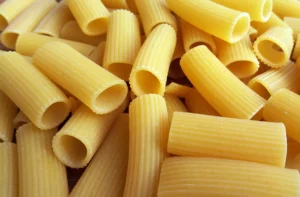
5. Rigatoni
Large tubes with ridges.
Excellent for thick Alfredo sauces.
6. Farfalle (Bow Tie)
Holds sauce in folds and edges.
Adds visual appeal and texture.
7. Fusilli
Spiral shape grips the sauce well.
Good for creamy consistency.
For a complete pairing system, see the best pasta for each sauce.
Why Pasta Shape Matters for Alfredo Sauce
Pasta shape matters for Alfredo sauce because it directly affects how the creamy sauce sticks, spreads, and delivers flavor in every bite.
Alfredo is a rich, emulsified sauce made from butter, cheese, and pasta water. It needs a suitable surface to cling to properly. The wrong shape results in a watery, separated product.
🍝 How Different Pasta Shapes Hold Alfredo Sauce
Flat Pasta (Best for Classic Alfredo)
Flat pasta like Fettuccine is the gold standard for Alfredo.
- Holds sauce evenly across the surface
- Creates a smooth, creamy coating
- Delivers balanced flavor in every bite
This is why traditional Fettuccine Alfredo remains the benchmark.
Tubular Pasta (Best for Extra Sauce Lovers)
Tube-shaped pasta like penne or rigatoni offers a different experience.
- Traps the sauce inside the hollow center
- Holds extra sauce on ridges
- Gives a richer, heavier bite
According to Serious Eats, ridged and tubular shapes increase sauce retention, especially for creamy sauces.
Spiral Pasta (Best for Grip and Texture)
Spiral shapes like fusilli or rotini are designed to hold sauce aggressively.
- Grooves grip the sauce tightly
- Works well with thicker Alfredo variations
- Adds more texture to each bite
These are great for modern Alfredo dishes with added ingredients like chicken or vegetables.
Long vs Short Pasta for Alfredo
Both long and short pasta work with Alfredo, but they create different eating experiences.
Long Pasta (Traditional Choice)
- More authentic and classic
- Smooth, elegant presentation
- Best for simple Alfredo recipes
Long pasta allows the sauce to coat evenly without overwhelming the dish.
Short Pasta (Practical Choice)
- Easier to serve and eat
- Holds more sauce per bite
- Ideal for heavier or protein-rich Alfredo dishes
Bon Appétit notes that shorter shapes perform better when you want a more filling, textured dish.
Common Mistakes to Avoid
Most Alfredo problems come from small but critical mistakes.
Using Very Thin Pasta
Angel hair cooks too quickly and cannot hold creamy sauce properly.
Overcooking Pasta
Soft pasta loses structure, so the sauce slides off instead of clinging.
Not Using Pasta Water
Starchy pasta water is essential for emulsifying the sauce.
Adding Too Much Cream
Authentic Alfredo relies on butter and cheese. Too much cream makes the sauce heavy and dull.
👉 Fix these issues by reviewing your pasta cooking mistakes and improving technique step by step.
Pro Tips for Perfect Alfredo Pasta
Cook Pasta Al Dente
Firm pasta holds sauce better and improves texture.
Reserve Pasta Water
Add it gradually to create a silky, cohesive sauce.
Toss Pasta in the Sauce
Never pour sauce on top. Always combine pasta and sauce over heat.
Use High-Quality Cheese
Freshly grated Parmesan melts better and creates a smoother finish.
For technique refinement, Serious Eats provides in-depth guidance on properly emulsifying pasta sauces.
Pasta shape matters for Alfredo sauce because it determines how well the sauce sticks and coats each bite. Flat pasta like Fettuccine works best, while tubular and spiral shapes hold more sauce for a richer texture. Using the right shape improves both flavor and consistency.
🍝 Alfredo Pasta FAQs
Q: What pasta is traditionally used for Alfredo?
Fettuccine is the traditional best pasta for Alfredo sauce.
In classic Roman cooking, especially in the original dish Fettuccine Alfredo, wide, flat noodles are preferred because they allow the rich butter-and-cheese sauce to coat evenly.
Flat pasta, like Fettuccine, creates a smooth, creamy texture because more surface area comes into contact with the sauce. That is why restaurants consistently use it for authentic Alfredo dishes.
For deeper insight into traditional techniques, see this Serious Eats guide, which explains how pasta shape affects sauce adhesion.
Q: Can you use penne for Alfredo?
Yes, penne works very well with Alfredo sauce.
Penne is a tube-shaped pasta with ridges that:
- Trap sauce inside the hollow center
- Hold extra sauce on the outer surface
- Deliver a more flavorful bite
While it is not traditional, it is a practical choice for home cooking, especially if you want a richer, more sauce-heavy experience.
According to Bon Appétit, shapes with ridges and tubes are excellent for capturing creamy sauces, making penne a strong alternative.
Q: Is spaghetti the best pasta for Alfredo sauce?
Spaghetti can be used, but it is not the best option.
Here’s why:
- It is thin and smooth
- It has less surface area
- Sauce tends to slide off instead of clinging
This results in a lighter coating rather than a rich, creamy bite.
If spaghetti is your only option, you can improve results by finishing the pasta in the sauce with reserved pasta water. This technique helps emulsify the sauce and improve coating.
Q: Why does my Alfredo sauce not stick to pasta?
Alfredo sauce does not stick when the pasta and sauce are not properly emulsified.
Common causes include:
1. Not using pasta water
Pasta water contains starch, which helps bind the sauce to the pasta. Without it, the sauce separates.
2. Wrong pasta shape
Smooth or thin pasta, like spaghetti, does not hold sauce well. Flat or ridged pasta performs better.
3. Skipping the finishing step
You should always toss pasta in the sauce over heat for 1 to 2 minutes, which helps the sauce cling properly.
4. Oil on pasta
Adding oil prevents the sauce from sticking. Avoid it.
For a detailed breakdown of sauce emulsification, refer to Serious Eats and Bon Appétit, both of which explain how starch and fat combine to create a silky sauce.
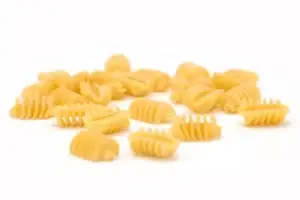
The best pasta for Alfredo sauce is Fettuccine because its flat surface evenly holds the creamy sauce.
Tube-shaped pasta, like penne, also works well, while thin pasta, like spaghetti, holds less sauce. Using starchy pasta water and finishing the pasta in the sauce ensures perfect coating.
Great pasta starts with mastering the basics: proper cooking technique, correct water usage, smart sauce pairing, and avoiding common mistakes. These fundamentals directly impact texture, flavor, and how well the sauce clings to pasta. By following a reliable pasta cooking guide, understanding water science for pasta, choosing the best pasta for each sauce, and learning common pasta mistakes, you can consistently cook pasta that tastes balanced, structured, and restaurant-quality. Als,o choosing the best pasta for Alfredo sauce matters
🚀 Call to Action
Now that you know how to choose the best pasta for Alfredo sauce:
👉 Learn how to fix common pasta mistakes
👉 Explore the full pasta shapes guide
👉 Master pasta fundamentals with your cooking guide
Take control of your pasta game and turn every Alfredo dish into a restaurant-quality experience by choosing the best pasta for Alfredo sauce.
Final Thoughts
Choosing the best pasta for Alfredo sauce transforms your dish completely.
The right shape improves the coating, texture, and overall flavor of the sauce. That’s why choosing the best pasta for Alfredo sauce matters most.

Syed Yasar Arafat is the founder of PastaLoverz.com and a food research enthusiast with a focused interest in pasta varieties, traditional Italian cuisine, and balanced eating. Through PastaLoverz.com, he publishes well-researched articles that explain pasta types, cooking methods, and nutritional considerations in clear, practical terms to help readers make informed food choices.