Campanelle Pasta
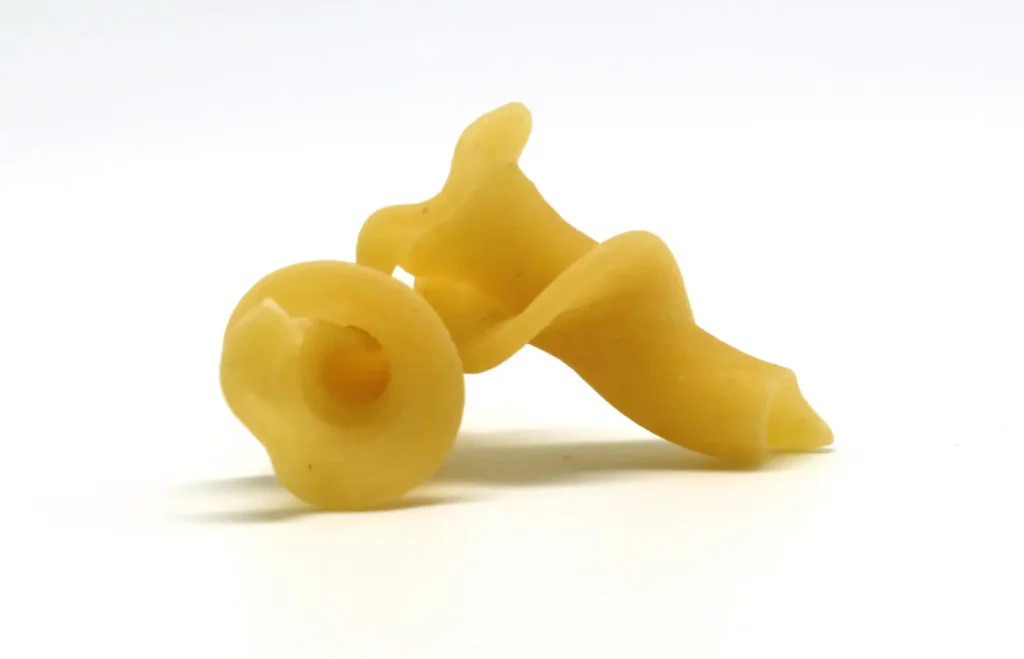
Campanelle pasta is a bell-shaped Italian pasta known for its fluted edges and hollow center. Its unique design is not just decorative. It helps trap creamy, chunky sauces in every fold, delivering balanced flavour in each bite.
Why do chefs choose campanelle pasta for rich sauces?. Why Campanelle Bell Shape Holds Sauce So Well? The answer lies in its structure. The ruffled edges grip sauce while the center holds ingredients evenly.
In this guide, you will learn about its origin, ideal cooking time, best sauces, nutrition facts, and practical tips for cooking campanelle pasta perfectly every time.
Table of Contents
- What Is Campanelle Pasta?
- Origin and History of Campanelle Pasta
- Shape, Texture, and Size
- Best Sauces for Campanelle Pasta
- How to Cook Campanelle Pasta Perfectly
- Campanelle Pasta vs Similar Pasta Shapes
- Is Campanelle Pasta Healthy?
- FAQs About Campanelle Pasta
- Related Pasta Guides
What Is Campanelle Pasta?
Campanelle pasta is a short-cut pasta made from durum wheat semolina and shaped like small bells or flowers. The curled edges and open center allow sauces to cling and collect inside the pasta.
This pasta works best when dishes include small ingredients like vegetables, cheese, or meat that benefit from even sauce coverage.
Origin and History of Campanelle Pasta
Campanelle pasta originated in central and northern Italy, where pasta makers developed shapes that enhance sauce retention and texture. These regions favored sturdy, decorative pasta forms that paired well with dairy-based sauces, butter, and seasonal vegetables common in local cooking.
The name campanelle means “little bells” in Italian, describing its fluted, bell-like shape. This design helps sauces cling to the pasta while collecting inside the pasta. Italian cooks traditionally used campanelle in cream sauces, vegetable-forward dishes, and light baked preparations where structure and even coating mattered. For a broader historical context, visit Wikipedia
Shape, Texture, and Size
- Shape: Bell-shaped with fluted, petal-like edges
- Texture: Smooth body with ruffled rims
- Length or width: About 1.5 to 2 inches long
- Why the shape matters: The folds trap sauce while the hollow center captures small ingredients.
Best Sauces for Campanelle Pasta
Campanelle pasta works best with sauces that benefit from surface area and internal space. Its bell shape and fluted edges allow sauces to cling, collect, and distribute evenly, making it more effective than smooth or flat pasta shapes.
Thick Sauces
Chunky tomato sauces, sausage ragù, and mushroom-based sauces pair well with campanelle because the folds hold dense textures without sliding off. The hollow center captures pieces of meat, vegetables, and herbs, ensuring each bite delivers balanced flavor rather than separating sauce from pasta.
This makes campanelle suitable for hearty, slow-simmered sauces where texture and consistency matter as much as flavor.
Creamy Sauces
Cream and cheese-based sauces coat campanelle evenly due to its ridged surface and curved form. The sauce settles inside the bell shape while also clinging to the ruffled edges, creating a rich, uniform coating.
This balance prevents creamy sauces from pooling at the bottom of the dish and helps maintain a smooth texture, even as the pasta cools slightly after serving.
Baked Dishes
Campanelle pasta performs well in baked dishes because its sturdy, fluted shape holds sauce without collapsing under heat. The hollow center captures cheese and sauce, while the ruffled edges create crisp, textured surfaces during baking.
This shape distributes heat evenly, helping the pasta cook through without becoming mushy. Campanelle works exceptionally well in layered casseroles and cheese-forward bakes, where maintaining structure and consistent sauce coverage are essential to texture and presentation.

How to Cook Campanelle Pasta Perfectly
Use a large pot to give campanelle pasta enough space to cook evenly. The bell-shaped form needs room to move so the folds open fully and do not stick together during boiling.
Water ratio: Use 4 to 5 quarts of water per pound of pasta. Adequate water prevents crowding and helps the pasta cook evenly without releasing excess starch that can make it gummy.
Salt timing: Add salt once the water reaches a rolling boil. Properly salted water seasons the pasta from the inside and enhances the natural flavor of durum wheat.
Cooking time: Cook for 10 to 12 minutes, stirring occasionally during the first few minutes to prevent the fluted edges from sticking together.
Al dente tip: Taste the pasta before draining. The center should feel firm but fully cooked, with no raw core. The ridges should remain intact and slightly springy.
For best results, reserve a small cup of pasta cooking water before draining. The starchy water helps bind sauces to campanelle’s ridges and hollow center as the dish finishes.
Campanelle vs Fusilli:
Campanelle captures sauce inside its bell-shaped center and along its ruffled edges, delivering layered flavor in every bite. Fusilli relies on spiral grooves to hold sauce on its surface, making it better suited to lighter tomato sauces and Pesto than to chunky or creamy mixtures.
Campanelle vs Farfalle:
Campanelle provides deeper sauce retention due to its curved interior and fluted rim. Farfalle offers a flatter bite, with sauce clinging mainly to the pinched center and edges, which works best for butter sauces and pasta salads.
Campanelle vs Cavatappi:
Campanelle distributes sauce both inside and around the pasta shape, making it ideal for cream-based sauces and vegetable-heavy dishes. Cavatappi holds sauce primarily inside its corkscrew tube and performs exceptionally well.
Is Campanelle Pasta Healthy?
Campanelle pasta can be part of a balanced diet when eaten in appropriate portions and paired with nutrient-dense ingredients. Like most traditional Italian pasta, it is made from durum wheat semolina, which provides steady energy and a firm texture when cooked properly.
Calories: About 155 calories per 100g cooked, making it a moderate-energy food suitable for main meals.
Carbs: Around 30g per 100g cooked, supplying carbohydrates that serve as the body’s primary energy source.
Protein: Approximately 5 to 6g per serving, contributing to satiety and supporting everyday nutritional needs.
Whole wheat option: Widely available and higher in fiber, which helps slow digestion and promotes a longer-lasting feeling of fullness.
Campanelle pasta works best nutritionally when combined with vegetables, lean proteins, and healthy fats, creating meals that balance carbohydrates with fiber and protein without relying on heavy sauces.
- Portion size guidance: A typical serving of cooked campanelle pasta is about 75-85g dry pasta per person, providing a satisfying portion without excessive calories when paired with vegetables and protein.

Q: What is campanelle pasta used for?
Campanelle pasta is used for creamy sauces, chunky vegetable dishes, and baked pasta recipes. Its bell shape and fluted edges trap sauce inside and around the pasta, helping distribute flavor evenly and making it suitable for dishes where sauce retention and balanced texture matter.
Q: Is campanelle pasta the same as gigli pasta?
Campanelle and gigli pasta are closely related shapes and are often labeled interchangeably by pasta brands. Both feature fluted, bell-like designs, but gigli usually has a tighter curl and more pronounced folds. Functionally, both shapes perform similarly with creamy and chunky sauces.
Q: Does campanelle pasta work well for mac and cheese?
Yes. Campanelle pasta works well for mac and cheese because its ridges and hollow center hold cheese sauce effectively. The shape traps melted cheese along its edges, creating a richer texture than in smooth or straight pasta shapes like elbow macaroni.
Q: Is campanelle pasta good for creamy sauces?
Yes. It pairs very well with creamy sauces because the fluted edges and bell shape allow sauces to cling evenly. Cream, cheese, and butter-based sauces coat the pasta evenly, preventing separation or pooling at the bottom of the dish.
Q: Is campanelle pasta good for baked pasta dishes?
Yes. It performs well in baked dishes because its sturdy shape holds structure during oven cooking. The hollow center captures cheese and sauce, while the ruffled edges prevent the pasta from flattening or becoming mushy during baking.
Q: What is the difference between campanelle and Farfalle pasta?
It has a bell-shaped form with curled edges that trap sauce inside, while Farfalle pasta is flat and bow-shaped. Campanelle holds more sauce and pairs well with creamy or chunky preparations, whereas Farfalle works better with lighter sauces and pasta salads.
Q: Is campanelle pasta a short pasta?
Yes. It belongs to the short-cut pasta category. It is designed for easy mixing with sauces and ingredients and is commonly used in everyday meals, baked dishes, and creamy preparations rather than long, twirling pasta applications.
Q: What ingredients pair best with campanelle pasta?
It pairs well with mushrooms, peas, spinach, pancetta, chicken, and cheese. Its shape captures small ingredients effectively and ensures balanced bites, with sauce, pasta, and mix-ins distributed evenly throughout the dish.
If you enjoy campanelle pasta, you may also like
Farfalle pasta,
Fusilli pasta, and
Cavatappi pasta.
Final Thoughts
It stands out for its ability to hold sauce while maintaining structure during cooking and baking. Its fluted, bell-shaped design supports even sauce distribution and balanced texture, making it a reliable choice for creamy, chunky, and oven-baked dishes. This versatility explains why campanelle remains a practical and visually appealing pasta shape in Italian-inspired cooking.
Campanelle pasta is a short, bell-shaped Italian pasta that holds sauces evenly, making it well-suited for creamy, chunky, and baked pasta dishes.
.
Syed Yasar Arafat is the founder of PastaLoverz.com and a food research enthusiast with a focused interest in pasta varieties, traditional Italian cuisine, and balanced eating. Through PastaLoverz.com, he publishes well-researched articles that explain pasta types, cooking methods, and nutritional considerations in clear, practical terms to help readers make informed food choices.