Fettuccine Pasta: 10 Stunning Ways to Elevate Every Dish
Fettuccine pasta is one of the most famous ribbon-shaped pastas in Italian cuisine. Fettuccine pasta is known for its long, flat strands that hold creamy sauces beautifully, making it a favorite for classic dishes.
Table of Contents
Introduction
What Is Fettuccine Pasta?
History and Origins
How to Cook Fettuccine Well
Sauce Pairings and Recipes
Tips, Variations, and Substitutions
Serving, Storage, and Leftovers
Best Side Dishes and Complements
Common Mistakes and Troubleshooting
FAQ
Conclusion and Call to Action

Introduction
Fettuccine pasta is one of the most beloved pasta types globally. Fettuccine translates to “little ribbons” in Italian, and the name perfectly describes its shape: long, flat strands that hold on to sauce like a dream.
People often associate Fettuccine Alfredo, but that’s only a small part of its story. This pasta has a rich history, regional variations, and numerous ways to transform everyday meals into something special.
What Is Fettuccine Pasta?
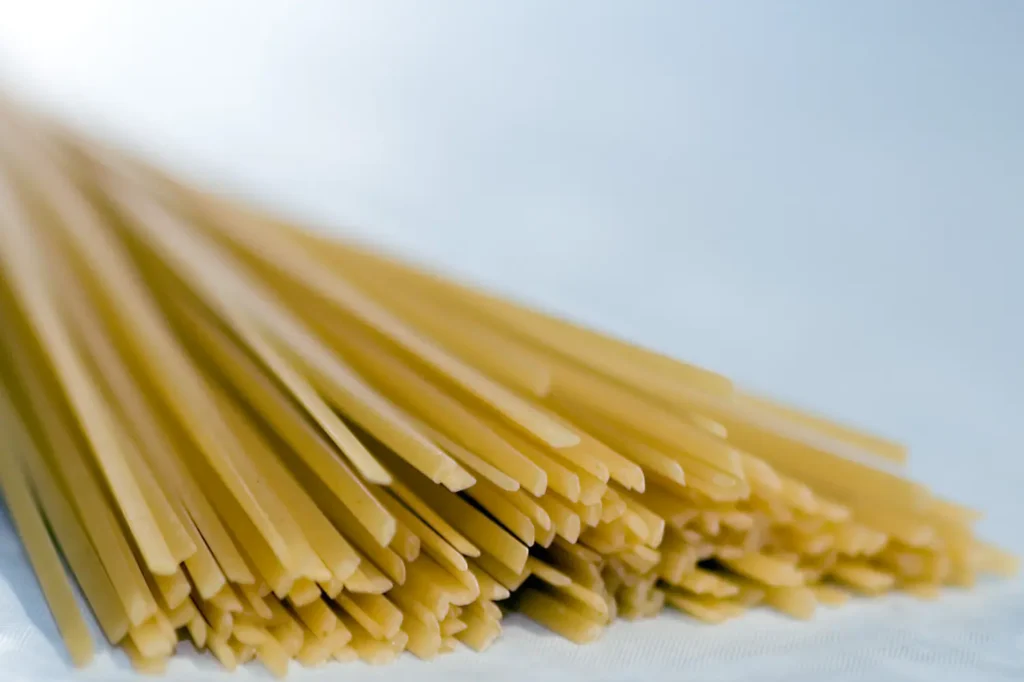
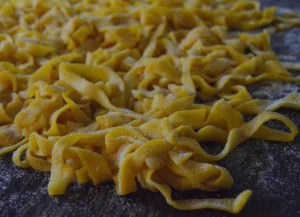
It is a ribbon-style pasta, wider than linguine but slightly narrower than tagliatelle. Traditionally, it’s made with simple ingredients: semolina flour and eggs. The flat surface makes it versatile and perfect for thick, creamy, or meaty sauces.
Fresh vs. dried
It is a delicate bite, cooks in 2–3 minutes, and is often used in northern Italian recipes.
Dried Fettuccine, a sturdy pasta available worldwide, is excellent for a longer shelf life.
Fettuccine vs. tagliatelle
The two are close cousins. Fettuccine pasta is slightly narrower and is often associated with Roman cuisine, while tagliatelle is closely tied to Bologna and the Emilia-Romagna region. For most home cooks, the two can be used interchangeably.
(See also: Tagliatelle Guide)
History and Origins
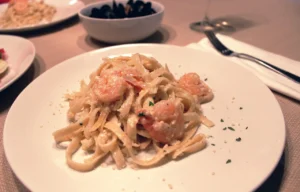
It dates back to Roman times, when flat egg pasta was a staple at feasts. Its most famous moment came in the early 20th Century when restaurateur Alfredo di Lelio served “Fettuccine al burro” (butter Fettuccine) to his wife. American actors Douglas Fairbanks and Mary Pickford fell in love with it so much during their honeymoon in Rome that they brought the recipe back to Hollywood.
This dish evolved into Fettuccine Alfredo, which in the United States typically includes cream, whereas in Italy, it remains a simple mix of butter and Parmigiano Reggiano.
For more information, see Italia Regina’s history of Fettuccine
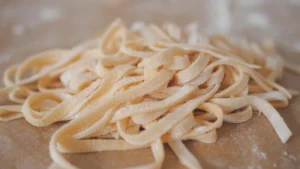
Perfect Fettuccine pasta is all about timing and technique.
1. The water and salt rule
Use at least 4 to 5 quarts of water per pound of pasta. Salt it generously — about one tablespoon per 4 cups — so the pasta tastes seasoned.
2. Al dente texture
Cook for 2–3 minutes, then dry for 8–10 minutes. Always taste a strand before draining. Al dente means firm to the bite, not raw.
3. Finish in the sauce
Drain the pasta a minute early, then add it to the pan with your sauce. Toss over medium heat, adding reserved pasta water as needed. This helps sauce cling and creates a silky coating.
4. Portioning
One pound of Fettuccine pasta serves four people as a main course or six as a first course. Watch
and
Sauce Pairings and Recipes
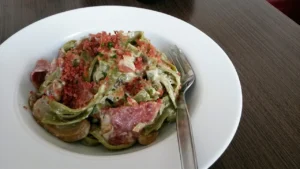
The magic of it is how it welcomes bold flavors.
Classic combinations
Alfredo: Butter, cream (in U.S. style), and Parmigiano.
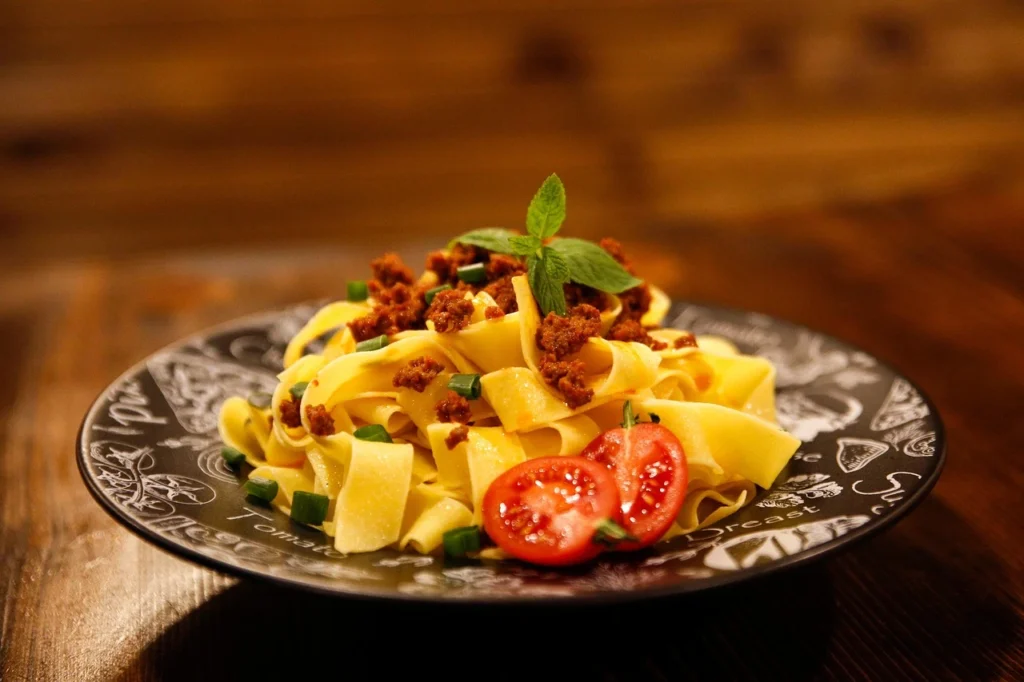
Alla Bolognese: Rich ragù clings to the ribbons.
Al burro: The authentic Roman origin with just butter and cheese.
Creative pairings
Seafood Fettuccine: Toss with shrimp, garlic, and lemon for a delicious dish.
Vegetable primavera: Use seasonal vegetables and a light olive oil base.
Truffle Fettuccine: Add shaved truffles or truffle oil to butter and Parmigiano.
Quick weeknight idea
Sauté mushrooms in olive oil, then add garlic and thyme; toss with cooked Fettuccine. Finish with a splash of cream and Pecorino Romano. Dinner in 20 minutes.
Tips, Variations, and Substitutions
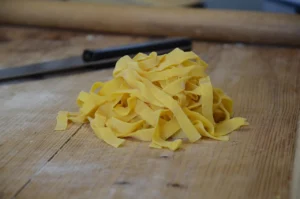
It isn’t limited to plain egg dough.
Spinach: Naturally green and earthy, it pairs perfectly with creamy sauces.
Squid ink: Jet-black strands, perfect for pairing with seafood.
Whole wheat or gluten-free, nutty, and accessible to more diets.
Substitutions
Suppose you’re out of Fettuccine pasta, tagliatelle, or pappardelle. Both are ribbon-style pastas that behave similarly in sauces.
Our parppardelle pasta guide is one of our valuable contributions
Serving, Storage, and Leftovers
Serving suggestions
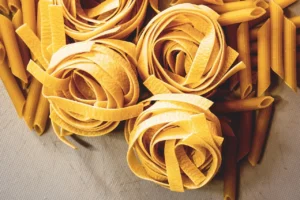
Plate Fettuccine pasta twirled into nests for an elegant look. Garnish with parsley, fresh ground pepper, or shaved cheese.
Storage
Dry pasta: store in a cool pantry up to 2 years.
Fresh pasta: refrigerate for 2–3 days or freeze for up to 2 months.
Leftovers
Toss the cooked pasta with a bit of olive oil before refrigerating—reheat by tossing it in a hot pan with extra sauce or broth. Avoid microwaving plain noodles, as they tend to dry out.
Best Side Dishes and Complementary meals shine when paired with balance:
Salads: crisp Caesar or arugula salad with lemon.
Greens: sautéed spinach, broccoli rabe, or roasted asparagus.
Proteins: grilled chicken, steak strips, or seafood.
Bread: simple garlic bread or ciabatta to soak up the sauce.
Avoid pairing with overly heavy sides — the pasta itself is already rich.
Our Soba Pasta Guide is an excellent contribution
Common Mistakes and Troubleshooting
Why does pasta turn mushy?
Overcooking is the most common mistake. Pasta continues to cook even after draining, especially when finished in sauce. Always taste 1–2 minutes before the package time and drain when the center still has a slight bite. An al dente texture is essential for flavor and structure.
What happens if the pasta water isn’t salted enough?
Undersalted water leads to bland pasta that the sauce cannot fix. Pasta absorbs water as it cooks, so seasoning must happen early. Salt the water generously until it tastes like the sea. This season, the pasta is from the inside, not just the surface.
Why does my sauce separate or break?
Cream- or cheese-based sauces can split if overheated or added too quickly. If this happens, remove the pan from the heat and add a splash of reserved starchy pasta water, whisking or tossing rapidly. The starch helps re-emulsify fat and liquid into a smooth sauce.
Why does the pasta look dry or dull when served?
Serving too dry usually means skipping pasta water. Always reserve at least half a cup before draining. Adding small amounts while tossing helps loosen the sauce, restore gloss, and coat the pasta evenly.
Why doesn’t the sauce stick to the pasta?
Rinsing pasta removes surface starch, which helps the sauce cling to the pasta. Never rinse hot pasta unless making a cold salad. Finishing the pasta in the sauce for the final minute improves adhesion and flavor.
How do I fix pasta that cooled too quickly?
If pasta cools before serving, gently reheat it with a splash of pasta water or sauce over low heat. Avoid microwaving without moisture, as it can cause dryness and an uneven texture.
Mastering these fixes ensures pasta that is well-seasoned, properly coated, and consistently satisfying, every time you cook.
FAQs
Q: Is Fettuccine pasta the same as tagliatelle?
Not exactly. Fettuccine and tagliatelle are very similar flat ribbon pastas, but Fettuccine is usually slightly narrower. Both originate in central Italy and share a similar thickness and bite, which is why they can often be substituted for each other without affecting the final dish. The choice usually comes down to regional tradition rather than performance.
Q: Can I make it in advance and cook it later?
Yes. Fresh Fettuccine pasta can be made ahead, cut into ribbons, and frozen for later use. Lay the strands loosely or nest them, then freeze until firm before storing in airtight containers. Cook directly from frozen without thawing, adding about 30–60 seconds to the cooking time.
Q: Does authentic Alfredo use cream?
No. Traditional Roman Fettuccine al burro uses only butter, finely grated Parmigiano Reggiano, and pasta water to create a creamy emulsion. Heavy cream was introduced later in American adaptations to stabilize the sauce and increase richness.
Q: How much should I cook per person?
For a main course, plan about 3 ounces (85 g) of dried Fettuccine per person. If using fresh pasta, increase slightly to 100–120 g per person, as it has a higher moisture content. Reduce portions when serving with rich sauces or multiple courses.
Q: What sauces pair best with it?
Fettuccine pasta pairs best with thick, structured sauces that need surface area to cling to. Classic pairings include meaty ragùs, creamy mushroom sauces, truffle-based preparations, butter-and-cheese emulsions, and slow-cooked meat sauces. Thin, watery sauces tend to slide off the flat ribbons.
Q: Is it better fresh or dried?
Fresh Fettuccine offers a silkier texture and cooks quickly, making it ideal for butter-based or cream-style sauces. Dried Fettuccine provides a firmer bite and works well with heavier ragùs. Both are authentic and valid depending on the dish.
Q: Why does it work so well with creamy sauces?
Its wide, flat shape provides maximum contact with sauce. This allows emulsified fats, cheese, and starch to evenly coat the pasta, creating a rich, balanced bite without pooling at the bottom of the plate.
Fettuccine remains a classic because it delivers structure, elegance, and control over the sauce, making it one of the most dependable ribbon pastas in Italian cooking.
Conclusion
Fettuccine pasta is far more than its most famous dish. Its wide, flat ribbons give it the strength to carry rich ragùs, the elegance to support butter and cheese emulsions, and the finesse to showcase mushrooms, truffles, or seafood. This balance of structure and surface area is why Fettuccine adapts so effortlessly to a range of flavor profiles, from hearty and comforting to light and refined.
When cooked correctly and matched with the right sauce, Fettuccine turns simple ingredients into polished, restaurant-quality dishes. Mastering its timing, portioning, and pairings allows you to move beyond familiar recipes and explore its full potential with confidence.
Call to Action
Put Fettuccine pasta to work in your kitchen. Try it with a slow-simmered ragù, a classic butter-and-Parmesan emulsion, or a mushroom-and-truffle sauce to experience how well it carries flavor.
Explore more in-depth pasta guides, sauce pairings, and traditional techniques on PastaLoverz.com. Save this guide, share it with fellow pasta lovers, and keep building your skills by choosing the right pasta shape for every dish.
Now it’s your turn. Pick one of the recipes above, cook it tonight, and share your version with us. Pasta is always better when shared.

Syed Yasar Arafat is the founder of PastaLoverz.com and a food research enthusiast with a focused interest in pasta varieties, traditional Italian cuisine, and balanced eating. Through PastaLoverz.com, he publishes well-researched articles that explain pasta types, cooking methods, and nutritional considerations in clear, practical terms to help readers make informed food choices.