Lasagna Pasta: The Ultimate Guide to Italy’s Iconic Casserole
Few dishes command the same level of global adoration as the mighty lasagna. It is the quintessential comfort food, a warm embrace of savory layers that has graced dinner tables for centuries. Whether you know it as a Sunday family tradition or a gourmet Italian masterpiece, Lasagna Pasta represents the pinnacle of baked culinary art.
From its ancient origins in the Mediterranean to the modern kitchen tables of America, this dish has evolved into countless variations. Yet, the core remains the same: sheets of pasta, rich sauces, and melting cheese coming together in perfect harmony. But achieving that perfect slice requires more than just a recipe; it requires an understanding of the ingredients and the technique.
Table of Contents
1. History of Lasanga PastaLayered with Flavor
The history of lasagna is as rich and complex as the dish itself. While many associate pasta strictly with Italy, the roots of lasagna can be traced back to Ancient Greece. The word likely stems from the Greek term laganon, which referred to flat sheets of pasta dough sliced into strips. Unlike our modern version, this ancient “lasagna” wasn’t baked with tomatoes (which did not exist in Europe yet) but was likely layered with meats and broths.
The Romans, lovers of good food, adopted the dish, calling it lasanum, which actually referred to the cooking pot rather than the food. It wasn’t until the Middle Ages in the Emilia-Romagna region of Italy—specifically the city of Naples—that the dish began to resemble the masterpiece we know today. The first recorded recipe appeared in the 14th-century cookbook Liber de Coquina, featuring boiled dough layered with cheese and spices.
For a deeper dive into these ancient origins, Wikipedia’s entry on Lasagne offers a fascinating timeline of its evolution from Roman times to the present day.
2. The Diverse World of Lasagna Pasta Types
Not all Lasagna Pasta is created equal. The foundation of your dish depends entirely on the type of noodle you choose, and navigating the grocery aisle can sometimes be confusing. Here is a breakdown of the most common varieties.
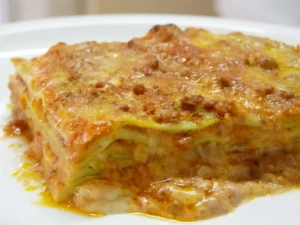
Dried Durum Wheat Noodles
These are the standard ruffled-edge noodles found in most pantries. Made from durum wheat semolina and water, they are sturdy and designed to hold up against heavy meat sauces. The ruffled edges, common in American-style lasagna, help trap extra sauce and cheese, ensuring every bite is flavorful.
Fresh Egg Pasta (Pasta Fresca)
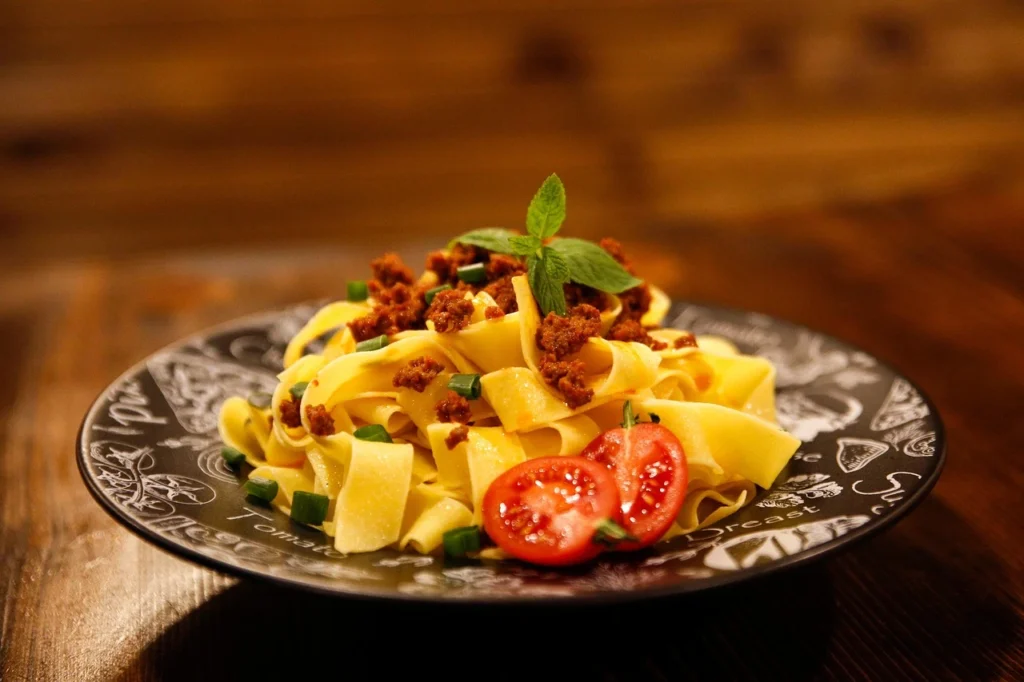
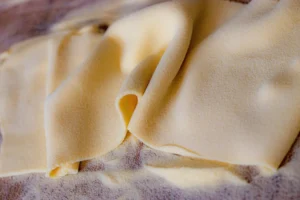
In Northern Italy, specifically Bologna, lasagna sheets are made with flour and eggs. These sheets are often flat (no ruffles) and have a delicate, silky texture that melts in your mouth. Spinach is frequently added to the dough to create Lasagne Verdi (Green Lasagna), a regional specialty that pairs beautifully with Ragù alla Bolognese.
No-Boil (Oven-Ready) Sheets
For the busy home cook, easy no-boil lasagna recipes for weeknights have become a lifesaver. These noodles are precooked and dried at the factory, allowing them to rehydrate directly in the oven using the moisture from your sauce. While convenient, they require a bit more sauce to ensure they don’t turn out dry or crunchy.
Renowned pasta brand Barilla offers excellent tips on using oven-ready sheets effectively without compromising texture.
3. The Art of Authentic Preparation of Lasanga Pasta
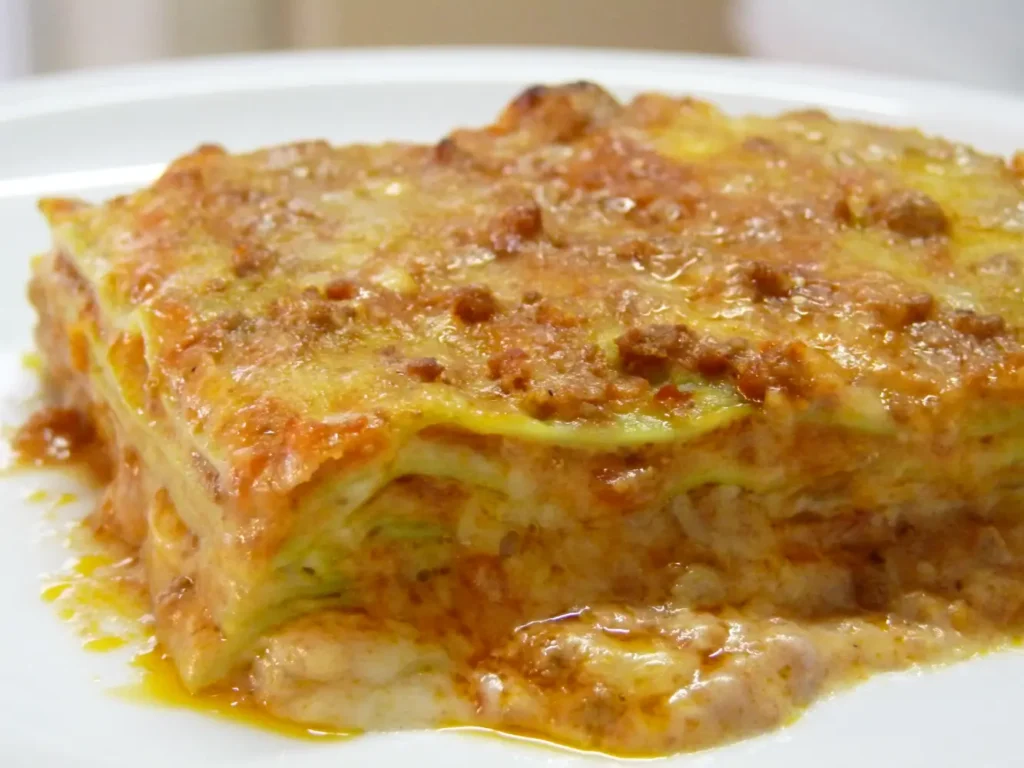
Creating an authentic Italian lasagna bolognese recipe involves more than just stacking ingredients. It is a labor of love that respects the balance of flavors. The traditional Lasagne alla Bolognese does not actually use mozzarella or ricotta. Instead, it relies on two key components: a slow-cooked meat sauce and a creamy Béchamel.
The Ragù
A true Ragù alla Bolognese is a complex meat sauce made with beef, pork, carrots, celery, onions, wine, and a splash of milk. It is simmered for hours until the meat is tender and the flavors have melded into a rich, savory compote. It is less tomato-heavy than the marinara sauces common in the US.
The Béchamel (Besciamella)
This white sauce, made from butter, flour, and milk, adds a creamy, luxurious texture that ricotta simply cannot mimic. When layered with the ragù and fresh pasta sheets, it creates a cohesive, melt-in-your-mouth experience that defines Northern Italian cuisine.
4. The Science of Perfect Baking of Lasagna Pasta
Cooking is chemistry, and lasagna is no exception. Understanding the science behind the bake can save you from common pitfalls like watery sauce or burnt edges.
One of the most common issues is excess moisture. Vegetables like spinach, mushrooms, and zucchini contain high water content. If you are making a classic cheese lasagna with ricotta and mozzarella mixed with veggies, raw vegetables will release water as they cook, pooling at the bottom of your pan. The solution? Always sauté your vegetables first to evaporate the moisture before layering.
Another tip involves the Maillard reaction. This chemical reaction occurs when proteins and sugars in the cheese brown in the oven, creating that irresistible golden crust. To maximize this, finish your bake uncovered for the last 15 minutes. For deep dives into food science, Serious Eats is an invaluable resource for understanding the “why” behind cooking techniques.
To Boil or Not to Boil Lasagna Pasta?
If using traditional dried Lasagna Pasta, boiling it to *al dente* (usually 2-3 minutes less than the package instructions) is crucial. They will continue to cook in the oven, absorbing the sauce. If you fully cook them in the water, they may become mushy after baking.
5. Nutrition and Dietary Variations of Lasagna Pasta
Lasagna Pasta is often viewed as an indulgence, but it can be adapted to fit various nutritional needs without sacrificing flavor. A standard serving contains protein, calcium from cheese, and carbohydrates for energy. According to USDA FoodData Central, a typical slice of meat lasagna provides significant amounts of iron and Vitamin A.
Modern Twists and Dietary Substitutes of Lasagna Pasta
The culinary world has expanded to embrace dietary restrictions, leading to creative new versions of the classic.
- Gluten-Free: Many brands now offer high-quality brown rice or chickpea pasta sheets. Alternatively, a gluten-free, low-carb zucchini lasagna recipe replaces noodles entirely with thin slices of zucchini or eggplant.
- Vegetarian & Vegan: A vegan lasagna with cashew ricotta uses soaked cashews blended with nutritional yeast to replicate the creamy texture of cheese, while lentils or mushrooms can substitute for ground beef in the sauce.
- Keto: For those on a ketogenic diet, keto lasagna substitutes for noodles often include “Palmini” (hearts of palm) sheets or simple layers of deli chicken and cheese, famously known as “Carnivore Lasagna”.
For a lighter option, you might try a white chicken lasagna with spinach and a creamy sauce, substituting the heavy red meat sauce for a lighter poultry-based Alfredo or béchamel.
6. Frequently Asked Questions (FAQ)
Do you need to boil lasagna noodles before baking?
This is the most common question! It depends entirely on the type of pasta. Traditional dried Lasagna Pasta usually requires boiling to *al dente* (firm to the bite) before assembly. However, “Oven-Ready” or “No-Boil” sheets are pre-cooked at the factory and dried; they rehydrate using the moisture from your sauce. Fresh Lasagna pasta sheets also typically do not require pre-boiling if your sauce is sufficiently wet.
Why is my lasagna watery?
A soupy lasagna Pasta is usually caused by two things: wet ingredients or not resting the dish. Vegetables like spinach or zucchini release water when baked—always cook and drain them first. Also, if using fresh mozzarella, use the low-moisture variety. Finally, let your lasagna rest for 20 minutes after baking; the pasta will absorb the excess liquid as it cools.
How many layers should a lasagna Pasta have?
While there is no strict law, a standard lasagna Pasta usually has between 3 and 5 layers. Authentic Bolognese lasagna Pasta, traditionally made with very thin sheets of fresh pasta, can have as many as 7 delicate layers. The key is balance; too many layers can make it unstable, while too few can make it feel more like a pasta toss.
Can you assemble lasagna Pasta ahead of time?
Absolutely! Lasagna Pasta is one of the best make-ahead meals. You can assemble the entire dish, cover it tightly, and refrigerate it for up to 24 hours before baking. In fact, this often improves the flavor, as the noodles have time to absorb the sauce’s seasoning.
How to reheat lasagna Pasta without drying it out?
To reheat Lasagna Pasta leftovers without turning the noodles into leather, splash a few drops of water or extra marinara sauce over the top, cover the dish tightly with foil, and bake at 325°F (165°C) until heated through. This traps steam, keeping the pasta moist.
How long does lasagna Pasta last in the fridge?
Cooked lasagna Pasta will keep well in the refrigerator for 3 to 5 days if stored in an airtight container. If you have leftovers you can’t finish, wrap individual slices in foil and freeze them for up to 3 months.
Can I substitute cottage cheese for ricotta in lasagna Pasta?
Yes, swapping cottage cheese for ricotta is very common, especially in American recipes. Cottage cheese is lower in fat and high in protein, though it has a lumpier texture. For a smoother consistency like ricotta, you can briefly blend the cottage cheese before mixing it with eggs and herbs.
Internal links
Delicious Penne Pasta: 11 Essential Ways This Classic Shape Wins Every Time
https://pastaloverz.com/penne-pasta-guide/ pastaloverz.comPappardelle: Delicious Power Guide — 7 Essential Ways to Master This Pasta
https://pastaloverz.com/pappardelle-guide/ pastaloverz.comFettuccine Mastery: 10 Stunning Ways to Elevate Every Dish
https://pastaloverz.com/guide-fettuccine-mastery/ pastaloverz.comAmazing 7 Reasons Rigatoni Pasta Delivers Big Flavor & Texture
https://pastaloverz.com/rigatoni-pasta/ pastaloverz.comMafaldine Pasta: 7 Facts and Recipes in a Complete Guide
https://pastaloverz.com/https-pastaloverz-com-mafaldine-pasta/ pastaloverz.com7 Powerful Reasons Bucatini Pasta Steals the Spotlight
https://pastaloverz.com/bucatini-pasta-guide/ pastaloverz.comDelicious Casarecce Pasta Guide: 11 Proven Tips
https://pastaloverz.com/https-pastaloverz-com-casarecce-pasta-guide/
7. Conclusion
Whether you are attempting a complex, authentic Italian lasagna bolognese recipe or throwing together a quick, slow-cooker lasagna with uncooked noodles, the magic of this dish lies in its ability to bring people together. It is a forgiving canvas that welcomes experimentation, from spicy sausage and spinach lasagna to vegan lasagna with plant-based meat.
Mastering Lasagna Pasta is a journey of delicious discovery. The interplay of textures, the balance of acidity and creaminess, and the satisfaction of pulling a bubbling, golden pan from the oven are experiences every home cook should enjoy.
Ready to Start Baking?
Don’t just read about Lasagna Pasta—preheat your oven today! Visit your local Italian grocer, pick up some high-quality ingredients, and create your own masterpiece.
Share your creation! Tag us in your photos or leave a comment below with your favorite secret ingredient.

Syed Yasar Arafat is the founder of PastaLoverz.com and a food research enthusiast with a focused interest in pasta varieties, traditional Italian cuisine, and balanced eating. Through PastaLoverz.com, he publishes well-researched articles that explain pasta types, cooking methods, and nutritional considerations in clear, practical terms to help readers make informed food choices.