
Pesto Genovese with Trofie is one of Liguria, Italy’s most iconic dishes. Tender, twisted trofie pasta catches every drop of fragrant basil pesto, creating a simple dish that tastes remarkably luxurious.
This classic combination brings together fresh Genoese basil, pine nuts, garlic, extra-virgin olive oil, Parmesan, Pecorino, and handmade-style trofie. It is a beautiful example of how traditional Italian cooking can transform a handful of quality ingredients into an unforgettable meal.
What Makes Pesto Genovese with Trofie Special?
The magic of Pesto Genovese with Trofie comes from the relationship between the sauce and pasta.
Trofie are short, twisted Ligurian pasta traditionally made with flour, water, and salt. Their unusual shape creates ridges and folds that capture the pesto beautifully. The official tourism site for Genoa describes trofie as a traditional pasta particularly suited to creamy sauces because their shape helps hold the sauce. (Visit Genoa)
Authentic Genovese pesto is equally distinctive. Traditional versions use seven essential ingredients: Genoese basil, extra-virgin olive oil, Parmigiano Reggiano, Pecorino, pine nuts, garlic,c and salt. (Mangiareinliguria.it)
For more background, see the official Genoa tourism guide to Pesto Genovese.
The Story Behind Genoese Pesto
Pesto is part of Genoa’s culinary identity and that of the wider Ligurian region.
The modern form of pesto took shape in the nineteenth century, although its broader culinary ancestry goes much further back. Italy’s official tourism portal notes that an early documented version appeared in 1865 in Cuciniera Genovese. (Italia.it)
Traditionally, people prepare pesto by crushing the ingredients in a marble mortar with a pestle. This gentle process helps preserve the basil’s fresh aroma.
The official Genoa tourism guidance also recommends avoiding excessive heat during preparation because oxidation can affect the basil’s color and flavor. (Visit Genoa)
Today, a food processor can certainly make pesto faster, but the traditional mortar method remains part of the dish’s character.
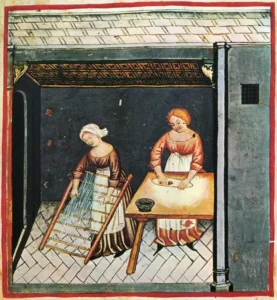
Ingredients for Pesto Genovese with TrofieFor approximately 4 servings, gather:
For the Trofie
- 400 g trofie pasta
- 4–5 litres water
- 1½ tablespoons salt
For the Pesto
- 50 g fresh Genoese-style basil leaves
- 30 g pine nuts
- 1–2 garlic cloves
- 45–60 g finely grated Parmigiano Reggiano
- 20–40 g finely grated Pecorino
- 80 ml extra-virgin olive oil
- A pinch of coarse sea salt
The traditional Pesto Genovese Consortium recipe identifies Genoese basil, extra-virgin olive oil, Parmigiano Reggiano or Grana Padano, Pecorino, pine nuts, garlic, and salt as the characteristic seven ingredients. (Mangiareinliguria.it)
For the best result, choose young, aromatic basil and a mild extra-virgin olive oil.
How to Make Pesto Genovese with Trofie
Making Pesto Genovese with Trofie is straightforward, but a few small details make a major difference.
Step 1: Prepare the Basil
Gently wash the basil leaves and dry them thoroughly.
Excess water can dilute the pesto, while rough handling can bruise the leaves and encourage oxidation.
If you have access to genuine Genoese basil, use it. Genoese Basil DOP is particularly associated with the traditional preparation. (Basilico Genovese)
Step 2: Make the Pesto
For the traditional method, place the garlic and a little coarse salt into a marble mortar.
Crush them gently with the pestle.
Add the pine nuts and continue working the mixture until you have a coarse paste.
Add the basil gradually. Rather than aggressively pounding it, use gentle circular movements to break down the leaves.
Add the Parmigiano Reggiano and Pecorino, then slowly incorporate the extra-virgin olive oil until the mixture becomes creamy.
The traditional Genoese method recommends adding the ingredients gradually and finishing with the oil to create a smooth, cohesive pesto. (Consorzio Pro Loco Genova)
Step 3: Cook the Trofie
Bring a large pot of salted water to a rolling boil.
Add the trofie and cook according to the package directions. Fresh trofie may take much less time than dried pasta, so check it early.
Before draining, reserve at least 1 cup of pasta cooking water.
This starchy water is one of the easiest ways to transform pesto from a thick paste into a silky sauce.
Step 4: Combine Everything
Place the drained trofie in a large bowl.
Add the pesto and toss gently.
Add a splash of reserved pasta water and continue tossing until the sauce lightly coats every piece of pasta.
The goal is not a heavy layer of pesto. Instead, you want a glossy coating that follows the twists and curves of the trofie.
This is the secret behind excellent Pesto Genovese with Trofie: use the pasta water to help the pesto cling naturally rather than adding excessive oil.
Step 5: Serve Immediately
Transfer the pasta to warm serving bowls.
Finish with a little freshly grated Parmigiano Reggiano, a few pine nuts, and, if desired, a small drizzle of extra-virgin olive oil.
Serve immediately while the basil aroma is fresh and vibrant.
Why Trofie Works So Well with Pesto
Pesto Genovese with Trofie has become such a famous pairing for a reason.
Trofie’s twisted structure creates tiny spaces where the pesto can collect. Instead of sliding away as it can from smooth pasta, the sauce stays attached to the surface.
Visit Genoa specifically identifies trofie as a traditional pasta associated with pesto and explains that their shape helps trap sauce. (Visit Genoa)
That means every forkful delivers pasta, basil, cheese, pine nuts, garlic, and olive oil in one bite.
It is a wonderfully balanced bite.
Common Mistakes to Avoid
Using Too Much Garlic
Garlic should provide warmth and depth rather than completely dominate the basil.
Start with one clove if you prefer a delicate pesto.
Overheating the Basil
Heat can dullbasil’se fresh character.
If using a food processor, work in short pulses and avoid letting the machine run continuously.
Adding Pesto While the Pasta Is Extremely Hot
Very high heat can negatively affect basil’s fresh aroma and color.
Instead, let the pasta stop steaming aggressively before tossing it with the pesto.
Forgetting Pasta Water
This is perhaps the easiest mistake to fix.
Reserved cooking water helps loosen the pesto and coat the trofie evenly.
Using the Wrong Nuts
Pine nuts are part of the traditional recipe. Cashews or walnuts may create delicious alternative sauces, but they change the character of traditional pesto.
The Genoese Pesto Consortium warns that several modern substitutions don’t belong in the original formula. (Mangiareinliguria.it)
Easy Variations
Traditional Pesto Genovese with Trofie can also be served in the classic Ligurian style with potatoes and green beans.
This version creates a heartier meal while remaining closely connected to regional tradition. Genoa’s tourism authority notes that pesto, potatoes, and green beans are a traditional way to serve pesto with pasta. (Visit Genoa)
For a lighter version, reduce the amount of cheese slightly and increase the pasta water.
For extra richness, finish with a small amount of freshly grated Parmigiano.
For stronger garlic flavor, use two small cloves instead of one large clove.
Serving Suggestions
Serve Pesto Genovese with Trofie as a satisfying lunch or as the first course of an Italian-inspired dinner.
It pairs particularly well with:
- A simple tomato and cucumber salad
- Grilled vegetables
- Crusty Italian bread
- Roasted zucchini
- Fresh green beans
- A light vegetable soup
Keep side dishes relatively simple. The pesto already provides considerable flavor, so complicated accompaniments can distract from the main dish.
For more information about Ligurian cuisine, explore IItalia’s guide to Pesto Genovese.
Storage and Reheating
Fresh pesto is best enjoyed immediately.
If you have leftover pesto, transfer it to a clean airtight container and smooth the surface. A thin layer of olive oil can help reduce air exposure.
Genoa’s official tourism guidance notes that you can refrigerate pesto for a few days when covered with oil to help prevent oxidation. (Visit Genoa)
For leftover pasta, reheat it gently with a splash of water.
Avoid frying pesto aggressively, as excessive heat can diminish its fresh basil character.
Frequently Asked Questions
Can I make Pesto Genovese with Trofie without a mortar?
Yes. A food processor is a practical alternative, particularly for everyday cooking. However, the traditional method uses a mortar and pestle.
What type of pasta is traditionally served with pesto?
Trofie and trenette are particularly associated with Genoese pesto. Genoa’s official tourism resources also mention other Ligurian pasta varieties such as mandilli de saea. (Visit Genoa)
Can I use store-bought pesto?
Absolutely. For a quick weeknight meal, quality refrigerated pesto can work well. Look for one containing basil, olive oil, pine nuts, garlic, and the traditional cheeses.
Should pesto be heated?
It is best not to cook pesto directly over high heat. Toss it with freshly cooked pasta and loosen it with a little pasta water.
Can I freeze pesto?
Yes, you can freeze pesto in small portions. For the best color and flavor, minimize air exposure and thaw it gently before using.
Why is my pesto bitter?
Bitterness can come from strong olive oil, too much garlic, bruised basil, or over-processing. Using fresh basil and gentle preparation usually produces a more balanced result.
Can I add potatoes and green beans?
Yes. Potatoes and green beans are traditional additions to the Ligurian preparation and turn Pesto Genovese with Trofie into a more substantial meal.
Conclusion
Pesto Genovese with Trofie shows that exceptional pasta doesn’t require a long ingredient list or complicated technique.
Fresh basil provides the aroma, pine nuts bring richness, garlic adds depth, the cheeses add savory complexity, and extra-virgin olive oil brings it all together. The twisted trofie then acts almost like a tiny edible net, capturing the pesto in every curve.
For the most authentic experience, use high-quality ingredients, keep the basil away from excessive heat, and don’t underestimate the importance of pasta cooking water.
If you love traditional Italian pasta, save this recipe and try it the next time you’re craving something fresh, aromatic, and unmistakably Ligurian.
PastaLoverz Pro Tip
Don’t drown your trofie in pesto. Start with less sauce than you think you need, then gradually add reserved pasta water while tossing. The starch helps create a silky coating that clings to every twist of the pasta.
For the brightest basil flavor, make the pesto shortly before serving and keep the finished dish away from prolonged high heat. That small technique can make the difference between ordinary pesto pasta and restaurant-quality Pesto Genovese with Trofie.
For more traditional background, the Comune di Genova’s official Pesto Genovese information and the Pesto Genovese Consortium’s official recipe are excellent references.

Syed Yasar Arafat is the founder of PastaLoverz.com and a food research enthusiast with a focused interest in pasta varieties, traditional Italian cuisine, and balanced eating. Through PastaLoverz.com, he publishes well-researched articles that explain pasta types, cooking methods, and nutritional considerations in clear, practical terms to help readers make informed food choices.