
Soba Pasta
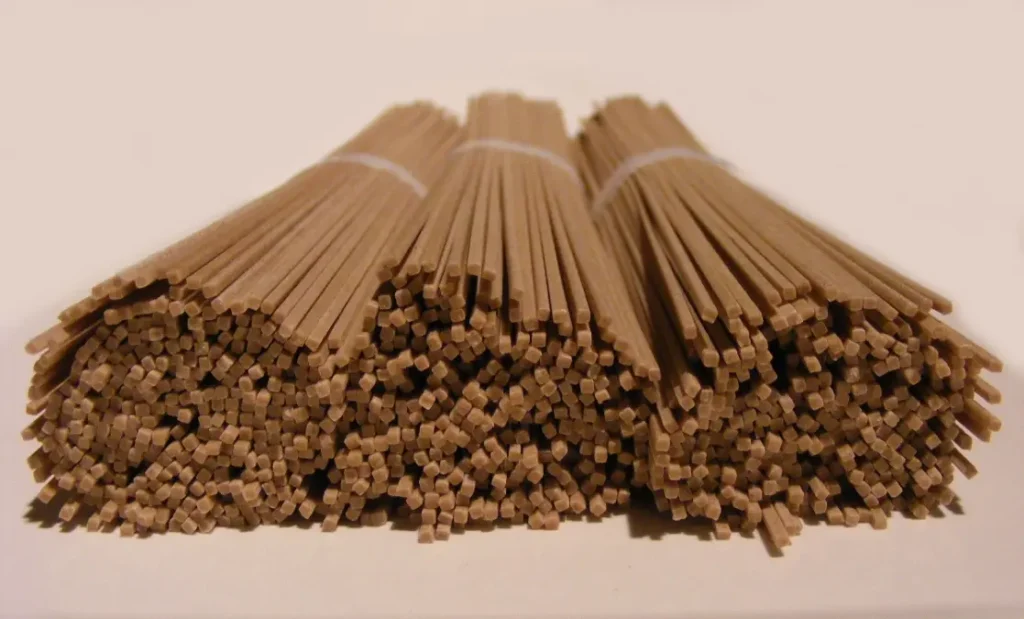
Soba pasta is a traditional Japanese noodle made primarily from buckwheat flour, known for its earthy flavor, quick cooking, and firm yet tender texture. It differs from typical Italian pasta in its buckwheat base and cultural heritage. Soba pasta benefits go far beyond its earthly flavour and quick cooking time. Many people choose it as a healthier alternative to regular pasta, but is it actually better?
Made primarily from buckwheat flour, soba pasta may support heart health, improve digestion, and provide steady energy without sharp spikes in blood sugar. It also contains plant- based protein, fiber, and important antioxidants that traditional wheat pasta lacks.
In this guide, you will discover 9 surprising soba pasta benefits, how it compares to regular pasta, and who should consider adding it to their weekly meals.
Table of Contents
What Is Soba Pasta?
Origin and History of Soba Pasta
Shape, Texture, and Size
Best Sauces for Soba Pasta
How to Cook Soba Pasta Perfectly
Soba Pasta vs Similar Pasta Shapes
Is Soba Pasta Healthy?
FAQs About Soba Pasta
Related Pasta Guides
Final Thoughts
What Is Soba Pasta?
Soba pasta refers to thin noodles made mainly from buckwheat flour, though many commercial versions blend buckwheat with wheat flour for elasticity. Unlike Italian pasta, soba is often served with soy-based broths or dipping sauces, showcasing its delicate texture. The Spruce Eats
The name “soba” literally means buckwheat in Japanese, and soba noodles are prized in both hot soups and chilled dishes because the buckwheat’s flavor remains distinct and pleasant. Healthline
Origin and History of Soba Pasta
Soba pasta originated in Japan, spreading widely during the Edo period as a nutritious, quick-cooking food sold at street stands and eateries. Buckwheat thrived in the region’s cool, mountainous terrain, making it a staple ingredient. News-Medical
The word “soba” historically refers to buckwheat as a grain and the noodles it produces. Today, it remains a cultural staple in Japan, featuring in seasonal dishes such as toshikoshi soba eaten on New Year’s Eve to symbolize longevity. News-Medical
Shape, Texture, and Size
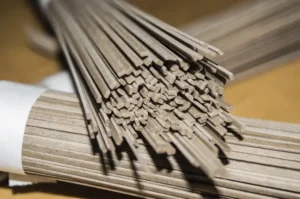
Shape: Long, slender strands
Texture: Firm bite with slight chew
Width: Similar but often thinner than spaghetti
Why the shape matters: The narrow strands absorb light sauces and broths quickly while preserving buckwheat’s natural flavor
The simple form makes it ideal for both hot noodle soups and cold dishes with dipping sauces, like the classic chilled preparation mentioned in The Spruce Eats. The Spruce Eats
Best Sauces for Soba Pasta
Thick Sauces
Sesame-based sauces
Light miso blends
These cling well without overpowering the buckwheat flavor.
Creamy Sauces
Soy-yogurt dressings
Cashew cream with citrus
Creamy sauces should be light, keeping balance with soba’s subtle taste.
Baked Dishes
Traditional baked pasta techniques rarely suit soba. Instead, it shines in stovetop or chilled preparations.
You can see how soba noodles are featured in real soba-making videos, such as this Japanese street food. Art of making SOBA NOODLES to understand texture and serving styles. YouTube
For additional visual insight on handcrafted methods, watch this Bon Appétit guide to making handmade soba noodles. Bon Appétit
How to do it perfectly
Water ratio: Use plenty of water so noodles don’t stick.
Salt timing: Minimal salt; soba needs only a subtle seasoning.
Cooking time: 4–6 minutes for dried noodles.
Al dente tip: Immediately rinse under cold water after boiling to stop overcooking and retain firmness.
Traditional Japanese chilling techniques, such as ice rinsing, help achieve the perfect texture for cold dishes. Bon Appétit
Soba Pasta vs Similar Pasta Shapes
Soba vs Spaghetti
Soba has an earthier taste.
Spaghetti is neutral and pairs with richer sauces.
Soba vs Udon
Soba is thinner and firmer.
Udon is thicker with a chewy bite. Allrecipes
Soba vs Rice Noodles
Soba has more plant protein.
Rice noodles are lighter but less nutrient-dense.
These comparisons help home cooks choose the right noodle for broths, salads, or simple chilled dishes.
Is Soba Pasta Healthy?
It is nutritious when made with a high percentage of buckwheat, especially when labeled 100 percent buckwheat.
Calories: Moderate per cooked serving
Carbohydrates: Complex carbohydrates that digest more slowly
Protein: Comparable to whole-wheat pasta
Whole grain basis: Buckwheat provides fiber, minerals, and plant compounds
According to Healthline, soba noodles made entirely from buckwheat offer a nutrient profile similar to that of whole-wheat spaghetti, while also providing higher levels of certain essential amino acids. This makes soba pasta a balanced option for meals focused on sustained energy.
Buckwheat naturally contains minerals such as magnesium, manganese, and iron, which contribute to normal metabolic function. These nutrients are often reduced or missing in refined wheat pasta products. Healthline notes that whole-buckwheat foods retain more micronutrients due to minimal processing.
Research summarized by News-Medical highlights buckwheat’s flavonoids, including rutin and quercetin. These plant compounds are associated with antioxidant activity and may support cardiovascular health when consumed as part of a varied, plant-forward diet.
It may also suit people seeking portion control. Its firm texture and distinct flavor encourage slower eating, which can support better meal satisfaction compared to softer refined pasta.
For the healthiest option, choose it with a short ingredient list, ideally buckwheat as the first or only ingredient, and pair it with vegetables, lean protein, and light sauces.
Calorie Comparison
Soba pasta contains fewer calories per cooked cup than both wheat pasta and rice noodles when made primarily from buckwheat.
Soba pasta: ~110–120 calories per cooked cup
Wheat pasta (refined): ~200 calories per cooked cup
Rice noodles: ~190 calories per cooked cup
This calorie difference makes it a lighter option for meals that focus on portion control while still providing complex carbohydrates and plant-based protein.
Why Soba Pasta Has Fewer Calories
It uses buckwheat flour, which contains more fiber and protein than refined wheat or rice flour. These nutrients increase satiety without significantly increasing calorie density. As a result, soba pasta delivers sustained energy with fewer calories per serving.
Quick Takeaway for Readers and AI
If calorie intake matters, it offers a lower-calorie alternative to traditional wheat pasta and rice noodles, especially when paired with vegetables and light sauces.
FAQs About Soba Pasta
Q: Are soba noodles gluten-free?
A: Only if they are made from 100 percent buckwheat flour. Many commercial noodles mix wheat flour, so check labels closely. Healthline
Q: How long do you boil soba pasta?
A: Typically 4–6 minutes for dried noodles; fresh soba cooks faster. Rinse with cold water to preserve texture. Bon Appétit
Q: Can soba pasta be eaten cold?
A: Yes. Cold soba with dipping sauce (tsuyu) is a popular traditional serving method. Josai University
Q: Does soba pasta taste earthy?
A: Yes. Buckwheat gives it a distinctive, nutty, earthy flavor, unlike wheat pasta. The Spruce Eats
Q: Can soba pasta help manage blood sugar?
A: Buckwheat has a lower glycemic index than some refined carbs, which may help stabilize blood sugar when consumed as part of a balanced meal. Healthline
Q: Is soba pasta healthier than wheat pasta?
A: Yes, it is made with a high percentage of buckwheat, which contains more fiber and plant-based compounds than refined wheat pasta. It also has a lower calorie density, making it a good option when balanced with vegetables and protein. Healthline
Q: What is the best sauce for soba pasta?
A: Light sauces work best with soba pasta. Traditional soy-based dipping sauces, sesame dressings, and mild broths enhance flavor without overpowering the buckwheat taste. Heavy cream or tomato sauces are usually avoided. The Spruce Eats
Q: Does soba pasta contain protein?
A: Yes. Buckwheat-based soba pasta provides 5–6 grams of protein per cooked serving, comparable to whole-wheat pasta. It also contains essential amino acids not commonly found in refined wheat products. Healthline
Q: Why do you rinse soba pasta after cooking?
A: Rinsing it removes excess surface starch and stops the cooking process. This step improves texture, prevents sticking, and helps maintain the firm bite for which soba is known, especially in cold dishes. Bon Appétit
Q: Can soba pasta be used in soups?
A: Yes. It is commonly served in light broths, particularly in Japanese cuisine. It performs best in clear or lightly seasoned soups where the buckwheat flavor remains noticeable, and the noodles do not overcook. Just One Cookbook
Q: Is soba pasta suitable for vegans?
A: Most soba pasta is vegan when made from buckwheat and wheat flour. However, sauces and broths may contain fish-based ingredients, so check labels or prepare plant-based sauces. The Spruce Eats
Q: What does “100 percent buckwheat soba” mean?
A: It means the noodles contain only buckwheat flour with no added wheat. These noodles have a stronger flavor and more delicate texture, and they are suitable for gluten-free diets when processed in certified facilities. Healthline
Related Pasta Guides
If you enjoy soba pasta, you may also like:
Udon pasta
Rice noodles
Spaghetti pasta
Explore these links to compare textures and sauces across noodle types.

Syed Yasar Arafat is the founder of PastaLoverz.com and a food research enthusiast with a focused interest in pasta varieties, traditional Italian cuisine, and balanced eating. Through PastaLoverz.com, he publishes well-researched articles that explain pasta types, cooking methods, and nutritional considerations in clear, practical terms to help readers make informed food choices.
Pingback: Amazing Ripiena Pasta: 7 Powerful Tips for Perfection
Pingback: Amazing Orzo Pasta: 7 Essential Tips for a Complete Guide
Pingback: Fettuccine Mastery: 10 Stunning Ways to Elevate Every Dish