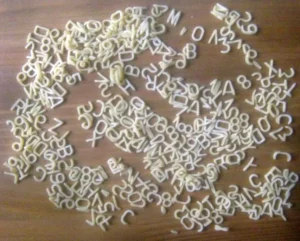
Alphabet pasta brings back the simple joy of spelling your name in a warm bowl of soup. Those tiny edible letters were not just playful. They turned mealtimes into a moment of curiosity and comfort.
But alphabet pasta is more than nostalgia.
In this guide, you will discover 8 heartwarming reasons it remains a favourite for families, how it supports early learning in subtle ways, and creative recipe ideas that go far beyond basic tomato soup. If you want meals that feel comforting, playful, and meaningful, this small pasta shape delivers.
A Letter-Perfect History
The story of shaped dough goes back centuries, but the specific origins of letter-shaped noodles are a bit more specific—and sophisticated—than you might expect. While we often associate them with canned convenience, their roots are firmly planted in the culinary traditions of Europe.
From Paris to the Pantry
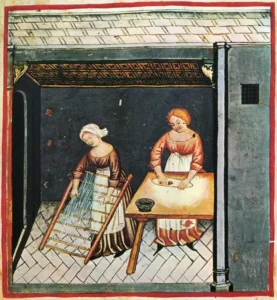
Long before it was a pantry staple in American households, alphabet pasta—or alfabeto as it is affectionately known in Italy—was making waves in the culinary capital of the world: Paris. As early as 1877, grocers in the City of Light were selling “small bits of macaroni” shaped like letters. These weren’t just for kids; they were served in upscale restaurants as a delightful garnish for consommé, proving that playing with your food has always been a universal pleasure.
By 1883, the trend had crossed the Atlantic. The Chicago Herald Cooking School Cookbook featured recipes calling for “alphabet pastes,” signaling their arrival in the American domestic sphere. It wasn’t until the 20th century, however, that mass production truly democratized these ABCs. Companies like Campbell’s recognized the genius of combining literacy with lunchtime, marketing their iconic soup to parents as a way to make eating educational. The famous “Alphabetti Spaghetti” (a Heinz classic) further cemented the pasta’s place in pop culture, especially in the UK, where it became a beloved toast topper
Did You Know? The term “alphabet soup” gained a metaphorical meaning in the 1930s to describe the proliferation of acronym-heavy government agencies under FDR’s New Deal.
For a deeper dive into how pasta shapes like these have evolved over centuries, Wikipedia offers a fascinating look at the patents and innovations behind our favorite carbohydrates.
The “Alphabet Soup” Era
It is impossible to discuss the history of this pasta without touching on its linguistic impact in the 1930s. During the Great Depression, President Franklin D. Roosevelt introduced a sweeping array of agencies designed to revitalize the American economy. From the CCC (Civilian Conservation Corps) to the TVA (Tennessee Valley Authority), the sheer volume of acronyms baffled the public and the press alike.
Political cartoonists and pundits seized on the familiar imagery of the childhood meal, dubbing the administration’s strategy “Alphabet Soup.” The metaphor stuck. It transformed the humble noodle from a nursery meal into a symbol of bureaucratic complexity. This cultural moment cemented the pasta’s dual identity: it was at once innocent and overwhelming, simple yet chaotic.
Interestingly, this era also saw the rise of canned pasta as an affordable, shelf-stable staple for struggling families. The ability to open a can and serve a hot, “meat-enriched” meal (even if the meatballs were microscopic) was a lifeline for many. Thus, the letters floating in tomato sauce became a literal and figurative sustenance for a nation in transition.
The Art of the Shape: Innovation in Extrusion
While the concept seems simple, creating legible pasta letters is a triumph of food engineering. Early attempts often resulted in unrecognizable blobs once boiled. The “A” would lose its crossbar; the “M” would collapse into an “N.”
Manufacturers had to perfect the humidity and pressure of the extrusion process. The dough, usually a stiff mix of semolina and water, is forced through bronze or Teflon dies. Bronze dies create a rougher surface that holds sauce better—a quality prized by Italian chefs—while Teflon creates the smooth, slippery texture familiar in canned varieties. The specific geometry of an “R” or a “Q” requires precise die calibration to ensure the pasta swells uniformly without losing its legibility. It is a microscopic sculptural challenge, replicated millions of times a day.
Nutritional Profile: Decoding the Dough
It’s easy to assume that novelty shapes sacrifice nutrition for form, but that’s not necessarily the case. Most high-quality letter pasta is made from the same stuff as your favorite spaghetti or penne: durum wheat semolina.
The Building Blocks
When you analyze a standard serving, you’re looking at a solid source of energy. Because they are typically made from enriched flour, these tiny letters pack a punch of essential nutrients.
- Complex Carbohydrates: The primary fuel source, providing sustained energy for active kids and busy adults.
- Protein: Durum wheat is surprisingly high in protein, often delivering 6-7 grams per serving, which helps in muscle repair and satiety.
- Fortification: Most commercial brands enrich their pasta with iron and B vitamins (including folic acid, riboflavin, and niacin). This makes them a sneaky way to get essential micronutrients.
For those with specific dietary needs, the market has expanded. You can now find whole-wheat versions that boost the fiber content, or gluten-free varieties made from rice, corn, or quinoa flour. If you are interested in the specific caloric breakdown of standard pasta, Nutrition Value provides comprehensive data charts.
The Glycemic Balancing Act
One criticism often leveled at white pasta is its high glycemic index (GI), which can cause blood sugar spikes. However, pasta has a unique starch structure that, when cooked al dente, digests more slowly than other refined carbs, such as bread.
Furthermore, the “seconds” quality of alphabet pasta—often served in soups—changes the equation. When you consume pasta suspended in a liquid volume (broth) and often accompanied by fiber-rich vegetables (carrots, celery, onions) and proteins (chicken, beans), the overall glycemic load of the meal decreases. The broth fills you up, moderating the speed at which you consume the carbohydrates. This makes sopa de letras a surprisingly balanced option compared to a plate of plain buttered noodles.
Beyond the Wheat: Alternative Flours for Alphabet Pasta
Modern health-conscious parents are driving a renaissance in pasta ingredients, and letter shapes are front and center.
- Chickpea and Lentil Flour: These provide a massive protein boost and are naturally gluten-free. They often have a nuttier flavor that pairs well with hearty vegetable broths.
- Vegetable Infusions: “Tricolor” pasta is not just for decoration. Green letters (spinach) and red letters (tomato or beet) offer trace amounts of phytonutrients. While they don’t replace a serving of broccoli, every little bit counts when dealing with picky eaters.
Culinary Uses: Thinking Outside the Can
While sopa de letras (alphabet soup) is the undisputed king of this genre, limiting these noodles to broth is a missed opportunity. Their small size and quick cooking time make them a fantastic substitute for other pastina (tiny pasta) like orzo, stelline, or ditalini.
The “Sopa de Letras” Tradition
In Mexico and many Latin American countries, sopa de letras is more than just a quick meal; it’s a comfort food institution. Traditionally, the raw pasta is toasted in oil until golden brown, then simmered in a rich tomato-and-onion broth. This toasting step adds a nutty depth of flavor that you simply don’t get from boiling alone.
For an authentic take on this classic, check out this video recipe by Pati Jinich, where she demonstrates the traditional method of frying the pasta first.
Modern Twists
- Educational Salads: Swap out macaroni for letters in your next cold pasta salad. It’s a great conversation starter at potlucks.
- Risotto-Style: Cook the letters slowly in broth, adding liquid gradually like you would with arborio rice. The starch released creates a creamy, comforting bowl that feels far more luxurious than its ingredients suggest.
- The “Message” Meal: For a romantic or celebratory twist, dedicated home cooks have been known to pick out specific letters to spell messages in the sauce—”I LOVE YOU” or “HAPPY BDAY”—hidden for the diner to discover.
Making Alphabet Pasta From Scratch: A Labour of Love
For the ultimate culinary Alphabet Pasta project, you can make fresh alphabet pasta at home. It is not for the faint of heart, but the results are spectacular.
You start with a classic egg dough: 100g of “00” flour to one large egg. Knead it until silky smooth, then let it rest. The challenge is the shaping. You won’t be extruding this; you’ll be cutting it.
- Roll it thin: You need the pasta sheet to be almost translucent—thinner than you think.
- The Cutters: You can purchase tiny, fondant-style letter cutters (often used for cake decorating). They work perfectly on pasta dough.
- The Process: Punch out the letters one by one. It is tedious, meditative work.
- The Scraps: Don’t waste the negative space! Chop the remaining dough into maltagliati (“badly cut” rustic shapes) for a separate meal.
Fresh egg pasta letters cook in seconds—literally 45 to 60 seconds in boiling broth. The texture is silky, rich, and miles away from the dried version. It turns a nursery dish into a gourmet experience.
Alphabet Pasta Beyond the Bowl: Sensory Play and Education
We would be remiss to ignore the non-edible potential of these shapes. Montessori educators and parents have long realized that alphabet pasta is a cheap, tactile learning tool.
- Sensory Bins: Dyed with vinegar and food coloring, dry pasta makes for a colorful, tactile filler for sensory bins. Kids can dig through it, enjoying the sound and texture.
- Literacy Games: Before they ever eat them, toddlers can sort the dry letters. “Find all the As” or “Spell your name.” Because they are small, they also help develop the “pincer grasp,” a crucial fine motor skill for future writing.
- Art Projects: Glued onto construction paper, they create textured name cards or greeting cards. It is low-stakes art; if a letter breaks, you have 500 more in the bag.
- You will love our chifferi pasta also
- Don’t forget to enjoy our article about the Bucatini pasta guide
Cooking Tips for Perfect Alphabet Pasta
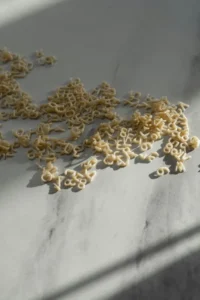
The biggest challenge with alphabet pasta is its size. These delicate shapes cook incredibly fast, often in as little as 4 to 6 minutes.
- Don’t Walk Away: Since they are small, the window between “al dente” and “mush” is about 30 seconds. Stay by the pot.
- The “Carry-Over” Effect: If you are adding them to soup, remember they will continue to cook in the hot broth even after you turn off the heat. It is often best to undercook them slightly so they finish perfectly in the bowl.
- To Rinse or Not to Rinse?: If using in a cold salad, rinse with cold water immediately to stop the cooking and prevent clumping. For soups, do not rinse; the surface starch helps thicken the broth.
For a visual guide on mastering basic Alphabet pasta techniques,
The channel has excellent resources that apply even to these miniature shapes.
Top Brands of Alphabet Pasta to Know
Not all letters are created equal. Depending on where you shop, you might encounter different varieties.
- La Moderna: A staple in Hispanic households, perfect for authentic sopa de letras. Their pasta holds its shape well even after toasting.
- Barilla: Occasionally offers tiny shapes in specific markets, known for reliable quality and “al dente” texture.
- Eden Foods: A go-to for organic and vegetable Alphabet Pasta-based options, adding a colorful twist with spinach and beet powders.
- De Cecco: If you can find their Alfabeto, grab it. As a premium Italian brand, it has a rougher texture that grabs sauce beautifully.

Global Variations of Alphabet Pasta
While we focus on the Western “A-Z,” the concept of symbolic pasta transcends our alphabet.
- Germany: Here you will find Buchstaben-Nudeln (Letter Noodles), a stalwart of the Maggi brand era, often served in clear beef broth (Buchstabensuppe).
- Greece: While not always in the form of letters, the tiny pasta kritharaki (orzo) occupies a similar culinary niche for children.
- Asia: While rice noodles dominate, wheat-based novelty shapes are gaining traction in Japanese “bento” culture, where “character macaroni” (Hello Kitty, Pokémon shapes) serves the same purpose: making lunch fun.
- Israel: Ptitim (Israeli couscous) is sometimes available in various shapes, though it is traditionally pearl-shaped. However, kosher brands like Manischewitz dominate the “Hebrew Alphabet” pasta market in the US, allowing for a culturally specific version of the classic soup.
- Many pasta problems, such as a mushy texture, a bland taste, or poor sauce coverage, stem from missing key fundamentals. The solution is simple: focus on proper cooking methods, water science, and pairing pasta shapes with the right sauces. A complete pasta cooking guide, combined with knowledge of water science for pasta, the best pasta for each sauce, and common pasta mistakes, helps you fix errors and achieve perfectly cooked pasta every time.
- Pastina Pasta: 7 Reasons It’s the Ultimate Comfort Food
- Best Pasta for Alfredo Sauce: 7 Picks for Creamy Perfection
- Pasta Shape and Sauce Pairing Guide: 7 Secrets of Success
- Strozzapreti Pasta: 7 Facts & How to Cook It Perfectly
- Mafaldine Pasta: 7 Golden Secrets of Italy’s Ribbon
- Above are our valuable contributions and informational hubs.
Frequently Asked Questions
Here are some of the most common queries people have about this beloved Alphabet Pasta noodle.
Q: What is alphabet pasta actually called?
While we casually call it “alphabet pasta,” in Italy it is formally known as alfabeto. In the UK, it is often referred to as “alphabetti spaghetti,” largely due to the Heinz product. In culinary terms, it falls under the category of pastina, which simply means “little pasta.”
Q: Is alphabet pasta healthy?
Yes, it can be part of a healthy diet. It is low in fat, and when enriched, it provides iron and B vitamins. However, like all pasta, it is carbohydrate-dense. For a healthier profile, pair it with plenty of vegetables and lean proteins, or opt for whole-grain versions to increase fiber intake.
Q: Can babies eat alphabet pasta?
Absolutely. Due to its small size and soft texture when cooked, it is often one of the first “solid” foods introduced to toddlers. It minimizes choking hazards compared to long strands like spaghetti, making it a safe choice for baby-led weaning.
Q: How do they make the letter shapes?
Alphabet Pasta is a feat of industrial engineering! Dough is pushed through a metal die (a thick disc with letter-shaped holes) under high pressure. A rotating blade then slices the extruded dough into thin cross-sections, creating the individual letters.
Q: Is there a number pasta in Alphabet Pasta?
Yes! Many brands that produce Alphabet Pasta letters also produce numbers, often selling them together or as “alphanumeric” blends. This adds to the educational value, allowing kids to practice both counting and spelling.
Other Tiny Pasta Shapes You’ll Love” and link to:
Stelline Pasta: The classic “little stars” for soup.
Acini di Pepe: Perfect for Italian Wedding Soup.
Pastina: The ultimate Italian comfort food.
Conclusion
It is easy to dismiss those little dough letters as mere nostalgia, a relic of rainy days and sick days from our youth. But alphabet pasta represents something fundamental about how we eat: we crave connection. Whether it is a mother in Mexico City toasting golden noodles for her family, or a college student in London heating up a tin for cheap comfort, these shapes speak a universal language.
They remind us that food can be fun without being frivolous. So next time you see that bag of alfabeto on the shelf, don’t just walk past it. Pick it up, brew a rich broth, and maybe—just maybe—spell out a little message of gratitude to the chef. After all, the best meals don’t just feed our bodies; they speak to our memories.
💡 Pro Tip: The “Separated Steaming Rule” for Perfect Leftovers
Because alphabet pasta is a miniature pastina shape with a high surface-area-to-volume ratio, it acts like a sponge, continuing to absorb liquid long after the stove is turned off. If you boil the letters directly inside a large batch of vegetable or chicken soup, the pasta will swell overnight in the refrigerator, turning your beautiful clear broth into a thick, soggy porridge.
To keep your letters pristine and your soup perfectly clear, always boil and store the alphabet pasta completely separate from your soup base. Cook the letters al dente in a side pot of salted water, drain them, and toss them with a microscopic drop of olive oil. To serve, simply place a generous spoonful of the cooked letters into individual bowls and ladle the piping hot soup right over them. This ensures the pasta retains its ideal bite, the letters stay perfectly legible, and your leftover soup broth remains light and flavorful for days!

Syed Yasar Arafat is the founder of PastaLoverz.com and a food research enthusiast with a focused interest in pasta varieties, traditional Italian cuisine, and balanced eating. Through PastaLoverz.com, he publishes well-researched articles that explain pasta types, cooking methods, and nutritional considerations in clear, practical terms to help readers make informed food choices.