
What is Tagliatelle Pasta?
It is a traditional ribbon-shaped pasta from Italy. The name comes from the Italian verb tagliare, meaning “to cut.” Rue to its name, tagliatelle pasta strands are cut into long, flat ribbons, typically measuring 6–8 mm in width.
This pasta’s flat surface makes it perfect for holding onto sauces, whether it’s rich meat ragù, a creamy mushroom blend, or a lighter vegetable sauce. It is typically made with durum wheat flour and eggs, resulting in a golden color and a firm texture.
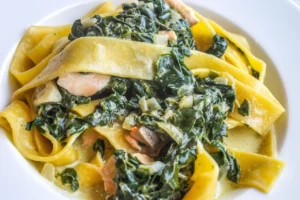
History of Tagliatelle Pasta
It comes from the Emilia-Romagna and Marche regions of Italy. Legend says it was created in the 15th Century to honor Lucrezia Borgia’s wedding, where a court chef cut wide lasagna sheets into golden ribbons inspired by her hair.
While the story may be more poetic than factual, what’s true is that tagliatelle pasta has been cherished in northern Italy for centuries. In Bologna, tagliatelle al ragù remains a regional symbol, officially recognized by the Chamber of Commerce, which specifies precise measurements: one strand of tagliatelle should be 8 mm wide when cooked.

Tagliatelle Pasta vs fettuccine
Many confuse it with Fettuccine, since both are ribbon-like. The main difference lies in width and tradition.
Tagliatelle: About 6–8 mm wide, associated with Emilia-Romagna.
Fettuccine: Slightly narrower, about 5 mm wide, associated with Rome and Tuscany.
Both pastas pair well with creamy or meaty sauces, but purists argue that the authentic Bolognese ragù is best served with them.
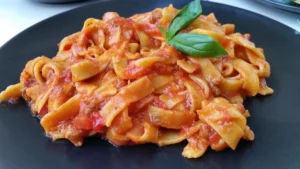
Quick Comparison: Tagliatelle vs. Other Ribbon Pastas
| Pasta Type | Traditional Width | Core Ingredients | Regional Origin | Best Sauce Pairings |
| Tagliatelle | $6\text{ mm} – 8\text{ mm}$ | Durum wheat & Eggs | Emilia-Romagna (Northern Italy) | Thick meat ragùs (Bolognese), porcini mushrooms, truffle creams |
| Fettuccine | $3\text{ mm} – 5\text{ mm}$ | Durum wheat & Eggs | Rome & Tuscany (Central Italy) | Rich, creamy sauces (Alfredo), butter and sage, sliced chicken |
| Linguine | $3\text{ mm} – 4\text{ mm}$ (Elliptical) | Durum wheat & Water | Liguria (Coastal Italy) | Light oil-based sauces, seafood (clams, prawns), pesto genovese |
| Pappardelle | $20\text{ mm} – 30\text{ mm}$ |
Types of Tagliatelle Pasta
What types of tagliatelle pasta are available?
Tagliatelle comes in several variations, defined by ingredients and production method. Each type changes texture, flavor, and ideal sauce pairings.
Egg tagliatelle (classic)
This is the traditional version, made with eggs and durum wheat flour. The eggs give the pasta its golden color, elasticity, and rich flavor. It pairs especially well with ragù, butter-based sauces, and mushrooms. Many commercial producers, including San Remo, offer high-quality dried egg tagliatelle.
Spinach tagliatelle
Spinach is added to the dough to create green-tinted ribbons with a mild, earthy flavor. This variation works best with creamy sauces, soft cheeses, or butter and herbs, where its color and subtle taste can stand out.
Whole wheat tagliatelle
Made with whole wheat flour, this version contains more fiber and has a nuttier, slightly firmer bite. It pairs well with robust vegetable sauces, legumes, and olive oil-based preparations.
Fresh tagliatelle
Fresh tagliatelle is handmade, softer, and cooks quickly. It absorbs sauce more readily and is commonly used in fine dining and traditional Italian kitchens. Its delicate texture makes it ideal for butter, cream, and egg-based sauces.
Dried tagliatelle
Dried tagliatelle is shelf-stable and convenient for everyday cooking. It takes longer to cook than fresh but offers a firmer bite that pairs well with slow-simmered sauces.
For comparisons of filled pasta and related shapes, explore guides on PastaLoverz. For a visual walkthrough of fresh pasta shaping, YouTube instructional videos offer helpful demonstrations.
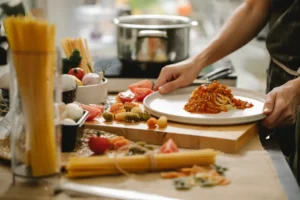
Nutritional Value of Tagliatelle Pasta
Is tagliatelle pasta nutritious?
Tagliatelle provides steady energy and moderate protein, making it a reliable base for balanced meals. Nutrition varies by ingredients, but a typical 100 g cooked serving contains:
- Calories: ~160 kcal
- Carbohydrates: 30–35 g
- Protein: 6–8 g
- Fat: 1–2 g
- Fiber: 2–3 g
Whole wheat and spinach tagliatelle offer higher fiber and additional micronutrients. Egg-based versions contribute small amounts of iron and B vitamins, which support energy metabolism.
As with most pasta, overall healthfulness depends on portion size and sauce choice. When paired with vegetables, lean protein, and healthy fats, tagliatelle fits comfortably into a well-rounded diet.
(Source: fatsecret.com)
How to Cook Tagliatelle Pasta Perfectly?
What is the best way to cook tagliatelle pasta?
Cooking tagliatelle is straightforward, but precision matters. Because it is a flat, ribbon-style pasta, small timing errors can affect texture and the adhesion of the sauce.
Step-by-step method for perfect tagliatelle
- Bring a large pot of water to a rolling boil
Use plenty of water so the ribbons can move freely. Crowding causes sticking and uneven cooking. - Salt the water generously
Add about 1 tablespoon of salt per liter of water. Properly salted water seasons the pasta from within and improves overall flavor. - Add the tagliatelle and stir gently
Stir during the first 30–60 seconds to prevent the ribbons from clumping or sticking to the pot. - Cook based on type
- Fresh tagliatelle: 2–3 minutes
- Dried tagliatelle: 7–9 minutes
Start tasting early. Flat pasta can go from al dente to soft very quickly.
- Test for doneness
The pasta should be al dente, meaning tender but with a slight bite at the center. It should bend easily without breaking. - Drain and finish in the sauce
Transfer the tagliatelle directly into the sauce and toss gently for 1–2 minutes. This step allows the pasta to absorb flavor and ensures even coating.
Pro tip: Always reserve pasta water
Save at least one cup of cooking water before draining. The starch in the water helps emulsify sauces, loosen thick mixtures, and create a glossy finish without adding extra fat.
When cooked this way, tagliatelle stays silky, well-seasoned, and perfectly matched to its sauce, delivering the texture and balance that define classic Italian pasta dishes.
Our Linguine pasta and soba pasta are also valuable contributions.
In Italian Cuisine
It is woven into the identity of Emilia-Romagna cuisine. The most famous dish is Tagliatelle al Ragù alla Bolognese, where flat ribbons catch the rich meat sauce perfectly.
Other traditional pairings include:
With porcini mushrooms
With truffle cream
Tagliatelle al tartufo nero (black truffle)
With seafood in coastal towns
In every version, it acts as the canvas that holds and balances bold Italian flavors.
Best Recipes of Tagliatelle Pasta
Here are some delicious ways to cook it at home:
Tagliatelle al Ragù: Classic Bologna dish with ground beef, pork, tomato, carrots, celery, and wine.
Tagliatelle ai Funghi: Creamy mushroom sauce with porcini or button mushrooms.
Spinach Tagliatelle with Alfredo Sauce: A lighter twist on a classic, featuring cream, Parmesan, and butter.
Seafood: Prawns, clams, or mussels in a garlic-white wine sauce.
Vegetarian: Seasonal vegetables sautéed in olive oil, herbs, and Parmesan.
Check out this recipe inspiration: Tagliatelle Bolognese
No time, no problem. Tagliatelle aglio e olio.

Common Mistakes to Avoid While Making Tagliatelle Pasta
Why does pappardelle turn mushy so easily?
Overcooking is the fastest way to ruin pappardelle. Its wide, egg-rich ribbons soften quickly once they pass al dente. Start tasting early and drain as soon as the pasta is tender with a slight bite. Remember, it will continue cooking when you toss it with the sauce.Should pappardelle be paired with heavy sauces and fresh fish?
Avoid heavy or creamy sauces when using fresh fish. Rich sauces overpower both the delicate seafood and the pasta’s subtle flavor. Stick to light preparations with olive oil, white wine, herbs, or gentle emulsions that respect the ingredients.Why shouldn’t pappardelle be served with meatballs?
Traditional Italian cooking does not pair ribbon pasta with standalone meatballs. Wide pastas like pappardelle or tagliatelle are meant for ragù, where meat is integrated into the sauce. Meatballs are served with short pasta or as a separate course.Why does pappardelle need a wide pan?
Wide ribbons need space to move. Narrow pans cause the pasta to fold, clump, and have uneven sauce coverage. A wide sauté pan allows the sauce to coat each ribbon evenly without tearing or sticking.Why must pappardelle be finished in the sauce?
Finishing pappardelle in the sauce for 1–2 minutes is essential. This step allows the pasta to absorb flavor, tighten the sauce with starch, and create a cohesive dish. Pasta served without this step often tastes flat and disconnected.Common extra mistakes to avoid
Skipping pasta water. Always reserve some before draining. A splash helps loosen thick sauces and restores gloss without adding fat.Mastering these details ensures pappardelle stays structured, well-coated, and true to Italian technique, delivering a dish that feels intentional rather than accidental.
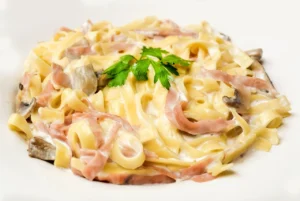
Great pasta starts with mastering the basics: proper cooking technique, correct water usage, smart sauce pairing, and avoiding common mistakes. These fundamentals directly impact texture, flavor, and how well the sauce clings to pasta.
By following a reliable pasta cooking guide, understanding water science for pasta, choosing the best pasta for each sauce, and learning common pasta mistakes, you can consistently cook pasta that tastes balanced, structured, and restaurant-quality.
Pastina Pasta: 7 Reasons It’s the Ultimate Comfort Food
Best Pasta for Alfredo Sauce: 7 Picks for Creamy Perfection
Pasta Shape and Sauce Pairing Guide: 7 Secrets of Success
Strozzapreti Pasta: 7 Facts & How to Cook It Perfectly
Alphabet Pasta: 7 Best Secrets for Fun Tiny Soup Shapes
Above are our valuable contributions and informational hubs.
Tagliatelle Pasta FAQs
Q: What is tagliatelle pasta made of?
Traditional tagliatelle pasta is made from durum wheat flour and eggs, creating a rich dough that is rolled thin and cut into long, flat ribbons. This egg-based pasta is common in northern Italian cuisine and provides a firm texture that holds heavy sauces well.
Q: How is tagliatelle different from Fettuccine?
Tagliatelle and Fettuccine are both flat ribbon pastas, but tagliatelle is typically slightly wider and traditionally associated with the Emilia-Romagna region of Italy. Fettuccine is often linked with Roman dishes such as Alfredo.
Q: What sauce is best for tagliatelle?
Tagliatelle pairs best with thick, rich sauces that coat the wide ribbons. Classic pairings include ragù alla Bolognese, mushroom cream sauce, truffle sauce, and butter-based sauces.
Q: Is tagliatelle pasta the same as pappardelle?
No. While both are ribbon pastas, pappardelle is much wider, often around 2–3 cm across. Tagliatelle is narrower, usually around 6–8 mm wide after cooking.
Q: How long does tagliatelle pasta take to cook?
Fresh tagliatelle usually cooks in 2–4 minutes, while dried tagliatelle typically takes 8–10 minutes, depending on thickness and brand.
Q: Is tagliatelle pasta healthy?
Tagliatelle provides complex carbohydrates, moderate protein, and small amounts of fiber, especially when made with whole-wheat flour. When paired with vegetables and lean proteins, it can be part of a balanced diet.
Q: Where did tagliatelle pasta originate?
Tagliatelle originated in Emilia-Romagna, Italy, particularly in Bologna, where it is traditionally served with ragù.
Q: What is the traditional width of tagliatelle?
Culinary tradition states that tagliatelle should measure about 6–8 mm wide when cooked, a proportion believed to complement classic Bolognese sauce.
Q: Can tagliatelle be used instead of spaghetti?
Yes, but the result will differ. Tagliatelle’s flat ribbons hold thick sauces better, while spaghetti is better suited for lighter sauces.
Q: Is tagliatelle better fresh or dried?
Both versions are widely used. Fresh tagliatelle has a softer texture and richer flavor, while dried tagliatelle offers convenience and a firmer bite that works well with robust sauces.
Q: Can you substitute tagliatelle for fettuccine or linguine in recipes?
Yes, you can easily substitute tagliatelle for fettuccine or linguine, as all three are flat, ribbon-cut pastas. However, because egg tagliatelle is slightly wider ($6–8\text{ mm}$) and more porous than standard dried linguine, it will absorb liquids much faster. If you are substituting it in a lighter olive oil or seafood sauce, you may need to add a splash of reserved pasta water to keep the dish from drying out.
Q: Why is traditional tagliatelle pasta made with eggs instead of just water?
In Northern Italian cuisine—specifically the Emilia-Romagna region—pasta dough traditionally relies on a high ratio of eggs to flour rather than water. The addition of eggs creates a rich, highly elastic dough that can be rolled incredibly thin. This gives the cooked ribbons a signature silky yet firm texture (al dente) and a porous surface that allows heavy meat ragùs to cling to the strands perfectly.
Q: What is the difference between tagliatelle and pappardelle pasta?
The primary difference between these two classic Italian ribbon pastas is their width:
Tagliatelle: Measures roughly $6–8\text{ mm}$ wide and is traditionally paired with Bolognese meat sauces.
Pappardelle: Is much wider, usually ranging from $2–3\text{ cm}$ ($20–30\text{ mm}$).
Because pappardelle ribbons are so broad, they are typically reserved for even heavier, rustic sauces like slow-cooked wild boar, duck, or rabbit ragù.
Q: How many grams of dried tagliatelle should you cook per person?
For a standard main course, the recommended serving size is 75 to 100 grams of dried tagliatelle per person. If you are using fresh handmade tagliatelle, increase the amount to 110 to 130 grams per person, as fresh egg pasta contains more moisture weight and won’t expand as much during the boiling process as dried nests do.
Q: How do you keep tagliatelle nests from sticking together when boiling?
To prevent flat ribbon pasta from clumping or sticking together, always use a large pot with plenty of water (at least 1 liter of water per 100g of pasta) so the strands can move freely. Drop the tagliatelle nests into a rolling boil and stir gently for the first 30 to 60 seconds to separate the ribbons. Avoid adding olive oil to the boiling water, as this coats the pasta and prevents your sauce from adhering later.
Q: Is tagliatelle pasta vegan-friendly?
Traditional Italian tagliatelle is not vegan because it is an authentic egg pasta (pasta all’uovo) made with a high ratio of whole eggs and egg yolks. However, many commercial brands manufacture a dried, egg-free version using only durum wheat semolina and water, which is completely vegan. Always check the ingredient label for eggs before purchasing if you follow a plant-based diet.
Q: What is the difference between tagliatelle and fettuccine?
While both are flat, long ribbon pastas, the main differences lie in their dimensions and regional culinary origins:
Tagliatelle: Originating from Northern Italy (Emilia-Romagna), it is traditionally slightly wider (6mm to 8mm) and made with an egg dough base to handle heavy meat ragùs.
Fettuccine: Hailing from central Italy (Rome and Tuscany), it is narrower (around 5mm) and commonly paired with creamy, butter-based sauces like Alfredo.

Q: Can you use dried tagliatelle nests instead of fresh pasta?
Yes, dried tagliatelle nests are an excellent, shelf-stable substitute for fresh pasta. While fresh tagliatelle offers a delicate, silkier bite that cooks in just 2 to 3 minutes, high-quality bronze-die dried tagliatelle provides a firmer al dente structure. The rough texture of dried bronze-cut nests is highly efficient at catching and holding onto thick meat and tomato-based sauces.
Q: Why is my tagliatelle breaking apart while boiling?
Tagliatelle ribbons usually break or snap during cooking due to two common mistakes: cooking the pasta in an undersized pot with insufficient water, or stirring too aggressively right after dropping the nests into the boiling water. To keep the long strands intact, use a large pot filled with plenty of water, let the nests soften naturally for 30 seconds in the rolling boil, and then gently untangle the ribbons with a wooden spoon or tongs.
Q: How do you store leftover cooked tagliatelle so it doesn’t clump?
To store cooked leftover tagliatelle, toss the cooled strands thoroughly with a drizzle of olive oil to create a protective barrier. Transfer the pasta into an airtight container and refrigerate for up to 3 to 4 days. When reheating, avoid the microwave if possible; instead, flash-fry it in a pan with your sauce or drop it into a pot of boiling water for 30 seconds to revive its original texture.

Q: Why does the texture of fresh Tagliatelle Pasta change when cooked in hard water?
A: When boiling fresh Tagliatelle Pasta, the mineral content of your tap water plays a massive role in the final texture of the noodles. Hard water, which is highly saturated with calcium and magnesium ions, interacts negatively with the delicate egg proteins inside traditional Tagliatelle Pasta dough. This chemical reaction can cause the outer starch layer of the ribbons to become overly sticky, preventing the strands from cooking evenly. To ensure your homemade Tagliatelle Pasta maintains its signature firm, toothsome al dente bite, consider using filtered water if you live in an area with heavy mineral deposits, and always salt the pot generously to stabilize the starch structures.
Q: How can you safely store dried Tagliatelle Pasta nests without losing their flavor?
A: Properly storing shelf-stable Tagliatelle Pasta nests requires protecting the delicate, brittle ribbons from both ambient moisture and direct sunlight. To keep your dry Tagliatelle Pasta fresh for up to a year, transfer the nested bundles from their original cardboard packaging into an airtight glass or BPA-free plastic container. Because premium, bronze-die Tagliatelle Pasta features a highly porous surface area, it can easily absorb strong odors from surrounding pantry items like garlic, onions, or spices if left exposed. Storing your Tagliatelle Pasta in a cool, dark, and sealed environment guarantees that the subtle, nutty flavor of the semolina remains pristine until you are ready to drop it into boiling water.
Great pasta starts with mastering the basics: proper
HOMEMADE TAGLIATELLE | Master the Art of Making Pasta from Scratch!
Conclusion
Tagliatelle is one of Italy’s most beloved ribbon pastas, known for its rich, egg-based dough and wide, flat strands that hold sauces beautifully. Originating from the Emilia-Romagna region, especially Bologna, tagliatelle has long been paired with hearty classics such as ragù alla Bolognese, creamy mushroom sauces, and butter-based preparations. Its balanced width and tender texture make it ideal for dishes that rely on depth of flavor and satisfying texture.
From traditional Italian kitchens to modern restaurants around the world, tagliatelle continues to represent the elegance of handmade pasta and the importance of pairing the right pasta shape with the right sauce. Its simplicity, versatility, and cultural heritage explain why it remains a staple in authentic Italian cuisine.
Call to Action
Ready to explore more authentic pasta traditions?
Discover the stories, cooking tips, and sauce pairings behind many classic pasta shapes. Visit PastaLoverz to learn about traditional Italian pasta varieties, how to cook them perfectly, and which sauces bring out their best flavors. Start exploring and find your next favorite pasta dish today. 🍝
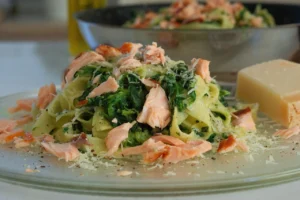
Pro Tip from PastaLoverz: When preparing an authentic Italian dish, always finish cooking your Tagliatelle Pasta directly inside the sauce skillet rather than just pouring the sauce over the top. Because Tagliatelle Pasta features a wide, porous surface area, tossing the ribbons over medium heat for 1 to 2 minutes allows the dough to bind seamlessly with the emulsion. For the ultimate restaurant-quality finish, add a splash of your starchy, reserved cooking water to the pan; this melts the fats and creates a glossy, velvety glaze that clings perfectly to every strand. To master more traditional ribbon-cut techniques and discover which regional sauces pair best with fresh Tagliatelle Pasta, explore our comprehensive culinary hubs right here on PastaLoverz.com.

Syed Yasar Arafat is the founder of PastaLoverz.com and a food research enthusiast with a focused interest in pasta varieties, traditional Italian cuisine, and balanced eating. Through PastaLoverz.com, he publishes well-researched articles that explain pasta types, cooking methods, and nutritional considerations in clear, practical terms to help readers make informed food choices.

2 Responses