Ripiena pasta refers to Italy’s beloved filled pasta varieties such as Ravioli, Tortellini, and Agnolotti. The word “ripiena” means “stuffed” or “filled,” describing pasta that encloses flavorful ingredients like cheese, meat, vegetables, or herbs inside delicate sheets of dough.
These pasta traditions date back centuries and vary across Italian regions, each offering unique shapes and fillings. From rich meat-stuffed Tortellini in Emilia-Romagna to creamy ricotta Ravioli, ripiena pasta is one of the most celebrated parts of Italian cuisine.
In this guide, you will discover the meaning of ripiena pasta, its history, popular shapes, traditional fillings, and expert tips for making it perfectly at home.
What is Ripiena Pasta?
Ripiena pasta is Italian stuffed pasta made by wrapping a thin sheet of dough around a seasoned filling, then cooking it gently and pairing it with a simple sauce. Italians use “ripiena” to describe the whole family of filled shapes, not just one type.
Ripiena pasta includes classics such as Ravioli, Tortellini, Agnolotti, Cappelletti, and Mezzaluna. Each shape reflects a region’s habits and ingredients. Northern styles often lean on butter, cheese, and delicate broths. Other areas highlight meat, herbs, and more decadent sauces.
What makes ripiena pasta special is the balance. The dough stays thin and tender. The filling brings the main flavor. The sauce supports both without stealing the spotlight. When you nail that balance, every bite feels complete.
Even though ripiena pasta looks simple, it rewards precision. You need the right filling texture, a tight seal, and gentle cooking. Overfill it, trap air, or boil too hard, and it can split. Treat it carefully, and it stays intact, tastes cleaner, and holds its shape beautifully on the plate.
In short, ripiena pasta is not just pasta with something inside. It is a method, a regional tradition, and a small piece of Italian craft that turns humble ingredients into something memorable
History and Regional Roots
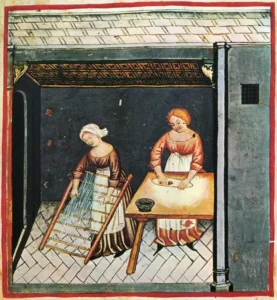
Stuffed pasta has deep roots in Italian cooking, and it likely developed as a smart way to turn small amounts of meat, cheese, herbs, or greens into something festive and filling. Some of the earliest written references to stuffed pasta appear in medieval-era Italian culinary writing, which shows that the idea of wrapping flavorful fillings in thin dough has been around for centuries. (Italy Segreta)
Over time, ripiena pasta stopped being just a special-occasion food and became a regional signature. Each area shaped the pasta differently, seasoned the filling with local ingredients, and served it with sauces that complemented the filling rather than covering it up.
A helpful way to understand the history of ripiena pasta is to look at what each region “optimized for.”
Piedmont: Agnolotti del plin
In Piedmont, cooks perfected small, pinched Agnolotti (the word plin refers to the pinch used to seal them). Traditionally, they used braised meat leftovers and served the pasta simply, often with butter or pan juices, so the filling stayed the star. (lacucinaitaliana.com)
Emilia-Romagna: tortellini in brodo
In Emilia-Romagna, Tortellini became closely tied to holiday and family traditions, especially when served in a clear, rich broth (in brodo). The dish is still strongly associated with seasonal meals and careful, handmade preparation. (lacucinaitaliana.com)

Tuscany: Tortelli and Ravioli traditions
In Tuscany’s Maremma area, large stuffed parcels (often called tortelli maremmani) commonly feature ricotta and greens, which reflects the region’s farm-style ingredient culture and love of simple, hearty fillings. (Bagno La Rotonda)
Lombardy: Casoncelli
In Lombardy, especially around Bergamo and Brescia, casoncelli developed as a distinctive local stuffed pasta. Food writers note that historical references date back centuries, and the traditional style often balances savory fillings with subtle sweetness, then finishes with butter and sage. (The Pasta Project)
Why regional variation matters
These differences are not random. They show how ripiena pasta evolved as a cultural expression. One region celebrates broth and delicacy, another celebrates leftover braises, and another leans into herbs, dairy, or rustic greens. When you understand the region behind the shape, you also understand the “why” behind the filling and the best sauce to serve with it.

Popular Types Of Ripiena Pasta
Here are some famous ripiena pasta Types
Agnolotti
A specialty from Piedmont made with roasted meat fillings. Please explore our complete guide: Agnolotti Pasta Guide.
Mezzaluna
A half-moon-shaped filled pasta known across central Italy.
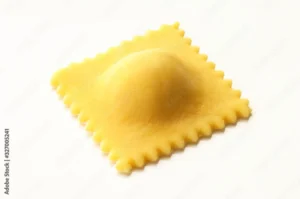
Ravioli
The most globally recognized ripiena pasta.
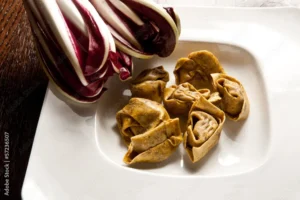
Tortellini
Small, ring-shaped pasta associated with Bologna and Modena.
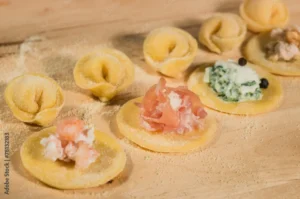
Cappelletti
Similar to Tortellini but folded differently, and common in northern Italy.
Traditional and Modern Fillings
Ripiena fillings range from rustic to refined.
Classic Fillings
- Roasted pork and veal
- Spinach and ricotta
- Cheese blends
- Braised meats
- Wild herbs
Modern Fillings
- Pumpkin and sage
- Goat cheese and beetroot
- Mushroom and truffle
- Seafood blends
For deeper pasta shape comparisons, see our guides:
Radiatori,
Casarecce,
Stelline,
Gemelli,
Testaroli,
Orzo.
How to Make Ripiena Dough?
Ripiena pasta requires a firm yet elastic dough. The classic ratio is 100 grams of flour to 1 egg. Semolina is often added for extra strength.
Steps:
- Create a well in the flour.
- Add eggs and mix gradually.
- Knead until smooth.
- Rest for 30 to 45 minutes.
- Roll thinly to level 6 or 7 on a pasta machine.

Folding and Sealing Techniques
Each ripiena shape has a distinct folding style, but the techniques revolve around properly sealing the dough to avoid leaks.
General tips:
- Use minimal moisture when sealing.
- Remove all air pockets before closing.
- Use a clean knife or cutter for sharp edges.
- Chill-filled shapes before cooking.
How to Cook Ripiena Pasta Properly?
It requires gentle cooking to avoid bursting.
Rules:
- Boil in salted water at a gentle simmer, not a rapid boil.
- Cook for 2–5 minutes, depending on thickness.
- Lift with a skimmer, not a strainer.
- Toss with sauce immediately to prevent sticking.
Pro tip: Reserve pasta water to adjust sauce consistency.
Best Sauces
Because ripiena fillings are already flavorful, sauces should be light and complementary.
Recommended Sauces
- Brown butter and sage
- Light tomato passata
- Brodo (broth)
- White wine and cream
- Pesto for herbal freshness
For classic inspirations, see Italian cooking authorities at Serious Eats or Giallo Zafferano.
Serving Ideas
Ripiena pasta works beautifully as:
- A festive main course
- A delicate starter served in broth
- A restaurant-style dish with minimal garnishes
- A rustic meal with butter and Parmesan
FAQs
Ripiena pasta means “stuffed pasta.” Ravioli is one type of ripiena pasta, but ripiena also includes Tortellini, Agnolotti, Cappelletti, and other filled shapes.
Q: What is the difference between ripiena pasta and Ravioli?
Ravioli is one type of ripiena pasta. Ripiena is the category for all stuffed pasta shapes, while Ravioli is a specific shape (usually square or rectangular).
Q: Can I freeze Ripiena pasta?
Yes. Freeze ripiena pasta in a single layer until firm, then transfer to airtight bags or containers. Cook straight from frozen and add 1–3 minutes to the cooking time.
Q: Why does ripiena pasta sometimes burst?
Ripiena pasta usually bursts when you overfill it, seal it poorly, or boil it too aggressively. Keep the water at a gentle simmer and press out air before sealing.
Q: Should I boil ripiena pasta or simmer it?
Simmer it gently. A rolling boil can knock the pasta around and weaken the seams, especially with fresh or thin dough.
Q: What’s the best way to know when ripiena pasta is ready?
Fresh ripiena pasta usually cooks in 2–5 minutes. It often floats, but don’t rely on floating alone. Taste one piece: the dough should feel tender, and the filling should be hot.
Q: What sauce pairs best with ripiena pasta?
Match the sauce to the filling:
Cheese or spinach: butter-sage, light tomato, or simple olive oil and garlic
Meat-filled: ragù, pan juices, or more decadent tomato sauces
Seafood-filled: lemon-butter, light cream, or seafood broths
Q: What’s the best way to stop Ripiena pasta from sticking?
Dust with semolina flour, lay pieces in a single layer, and avoid stacking. If you must stack, use parchment between layers.
Q: Can I cook ripiena pasta in broth instead of water?
Yes. Broth adds flavor, especially for delicate fillings. Keep it at a gentle simmer so the pasta doesn’t break.
Q: Why is my filling leaking even when it doesn’t burst?
You usually trapped air inside, used a wet filling, or didn’t seal tightly enough. Press out air as you seal and keep fillings thick, not runny.
Q: Is ripiena pasta usually egg-based?
Many traditional fresh versions use eggs, but not all. Some regions use flour-and-water dough. Always check labels if you avoid eggs.
Q: What can I use instead of Ravioli if a recipe calls for it?
You can swap with other ripiena shapes, such as Tortellini, Cappelletti, Agnolotti, or mezzelune. Cooking times vary, so taste-test early.
Q: What is the ideal dough thickness for fresh Ripiena pasta?
The golden rule for rolling out ripiena pasta dough is achieving a thickness of roughly 1 millimeter, which corresponds to setting 6 or 7 on most standard manual crank pasta rollers. The sheet needs to be thin enough to cook quickly and allow the filling to shine, yet resilient enough to contain the ingredients without tearing. A great test is to lift the sheet of rolled dough to the light; you should just be able to see the outline of your fingers through it, but it shouldn’t feel fragile or web-like.
Q: Can you use a standard colander to drain cooked Ripiena pasta?
It is highly recommended to avoid pouring a pot of cooked ripiena pasta directly into a colander. The violent force of dumping boiling water, combined with the heavy pasta crashing against the hard plastic or metal mesh, is a primary cause of torn seams and leaking fillings. Instead, use a wide spider strainer, skimmer, or slotted spoon to gently lift the stuffed parcels out of the simmering water two or three at a time, allowing them to drain naturally before sliding them straight into your warm sauce.
Q: How do you prevent the filling from making the pasta dough soggy?
To stop moisture from bleeding into your fresh dough and causing tears, ensure your filling has a thick, tight consistency before assembly. If using dairy like ricotta, strain it overnight in cheesecloth to remove excess whey. For vegetable fillings like spinach or Swiss chard, squeeze out every drop of water using a clean kitchen towel after cooking. If your mixture still feels a bit loose or runny, incorporate a tablespoon of finely grated Parmigiano-Reggiano or plain breadcrumbs to act as a natural binder that locks in the moisture.
Q: Why do some traditional Ripiena doughs use only egg yolks?
While a standard pasta dough uses whole eggs, many luxury northern Italian ripiena variations (like Piedmontese Agnolotti del plin) favor a high-yield yolk dough, sometimes utilizing up to 30 yolks per kilo of flour. Egg yolks are packed with fats and lecithin, which yield an incredibly pliable, rich, and velvety dough that can be rolled exceptionally thin without snapping. This fat-heavy profile creates a luxurious texture that holds up beautifully to dense, savory meat fillings and rich emulsified butter sauces.
Q: What is the best way to store fresh ripiena pasta before cooking?
If you aren’t cooking your ripiena pasta immediately, the storage method is critical to prevent the dough from getting soggy. Place the shapes in a single layer on a tray dusted generously with semolina flour. You can leave them at room temperature for up to 1 hour. For longer storage, refrigerate them for up to 4 hours, but ensure they are covered loosely with a clean kitchen towel. If you wait any longer, the moisture from the filling will begin to soften the dough, leading to tears. For best results beyond 4 hours, freezing is actually the preferred method over refrigeration.
Q: Can I use wonton wrappers as a substitute for ripiena pasta dough?
While purists might disagree, using wonton wrappers is a popular “shortcut” for making a quick version of ripiena pasta like ravioli. Wonton wrappers are made of a similar flour-and-egg base, but they are typically much thinner than traditional Italian pasta dough. If you use them, be aware that they cook extremely fast—usually in under 2 minutes—and are more prone to bursting. They lack the “al dente” bite of authentic handmade dough, but they work well for a weeknight meal when you have a delicious filling ready to go.
Q: Why is my ripiena pasta dough too tough to roll out?
A tough dough usually results from overworking the flour or not allowing the gluten to relax. When making ripiena pasta, the resting stage is not optional. After kneading, you must wrap the dough tightly in plastic wrap and let it sit at room temperature for at least 30 to 45 minutes. This allows the flour to fully hydrate and the gluten strands to relax. If you try to roll it too soon, the dough will “spring back” and feel rubbery, making it nearly impossible to get those delicate, thin sheets required for stuffed pasta.
Q: How much filling should I put in each piece of pasta?
The golden rule for ripiena pasta is “less is more.” Generally, a teaspoon of filling is sufficient for a standard-sized ravioli or tortellini. Overfilling is the number one cause of pasta bursting in the pot. You need to leave enough space around the edges to create a secure, flat seal without any filling creeping into the seam. If even a tiny amount of moisture or fat from the filling touches the seal, the dough won’t stick together, and the pasta will open as soon as it hits the simmering water.
Great pasta starts with mastering the basics: proper cooking technique, correct water usage, smart sauce pairing, and avoiding common mistakes. These fundamentals directly impact texture, flavor, and how well the sauce clings to pasta. By following a reliable pasta cooking guide, understanding water science for pasta, choosing the best pasta for each sauce, and learning common pasta mistakes, you can consistently cook pasta that tastes balanced, structured, and restaurant-quality.
Pastina Pasta: 7 Reasons It’s the Ultimate Comfort Food
Best Pasta for Alfredo Sauce: 7 Picks for Creamy Perfection
Pasta Shape and Sauce Pairing Guide: 7 Secrets of Success
Strozzapreti Pasta: 7 Facts & How to Cook It Perfectly
Alphabet Pasta: 7 Best Secrets for Fun Tiny Soup Shapes
Above are our valuable contributions and informational hubs.
Comparison of Traditional Italian Ripiena Pasta Types
| Pasta Type | Region of Origin | Traditional Shape | Classic Filling | Best Sauce Pairing |
| Ravioli | Liguria / Central Italy | Square or Round | Ricotta and spinach, wild herbs, or fish | Light tomato passata, pesto, or butter and sage |
| Tortellini | Emilia-Romagna | Small ring / “Venus’ navel.” | Pork loin, prosciutto, mortadella, and Parmigiano | Rich capon or beef broth (in brodo) |
| Agnolotti (del plin) | Piedmont | Small rectangular parcels with a “pinch.” | Roasted meats (veal, pork, rabbit) and cabbage | Pan juices (sugo d’arrosto) or melted butter |
| Cappelletti | Emilia-Romagna / Marche | Hat-shaped (folded over a triangle) | Capon breast, cheese blends, or seasoned meats | Rich chicken broth or meat ragù |
| Mezzaluna | Alto Adige / Central Italy | Half-moon | Spinach and ricotta, or wild mushrooms | Brown butter, poppy seeds, or alpine herbs |
| Casoncelli | Lombardy | Wrapped disc / “folded pocket” | Breadcrumbs, meat, raisins, and amaretti biscuits | Melted butter, crispy pancetta, and fresh sage |
Final Thoughts
Ripiena pasta remains one of Italy’s most expressive culinary traditions because it brings together craft, regional identity, and comfort in a single bite. A thin sheet of dough protects a filling that gives the dish its real character, whether it’s cheese and herbs, slow-cooked meat, or seasonal greens.
What makes it unforgettable is how it teaches restraint. The best ripiena pasta does not rely on heavy sauce or extra toppings. It depends on good dough, a well-seasoned filling, and gentle cooking. When everything stays balanced, the flavor feels clean, rich, and complete.
If you cook it at home, start simple. Choose one shape, use a thick filling that seals easily, and keep the water at a calm simmer. If you taste it while traveling, pay attention to how the region serves it. Broth, butter, and sage, ragù, or a light tomato sauce usually reflect local tradition more than personal preference.
Keep exploring more shapes across Pasta Loverz to deepen your pasta knowledge. Start with other stuffed favorites like Tortellini, Agnolotti, and Cappelletti, then branch into the sauces and broths that make each one shine.
Call to action: Browse more pasta guides on Pasta Loverz and pick one new shape to learn this week. Your next “favorite pasta” might be the one you have not tried yet.
Syed Yasar Arafat is the founder of PastaLoverz.com and a food research enthusiast with a focused interest in pasta varieties, traditional Italian cuisine, and balanced eating. Through PastaLoverz.com, he publishes well-researched articles that explain pasta types, cooking methods, and nutritional considerations in clear, practical terms to help readers make informed food choices.