
Agnolotti Pasta is a traditional stuffed pasta from the Piedmont region of northern Italy. Known for its delicate shape and rich fillings, Agnolotti is often compared to Ravioli but has its own distinctive style and history.
What Is Agnolotti Pasta?
Agnolotti is a stuffed pasta from the Piedmont region of Italy. It is typically filled with meat, vegetables, or cheese and served with light sauces that highlight the fillings.
1: Definition and Comparison
What Is Agnolotti del Plin Pasta
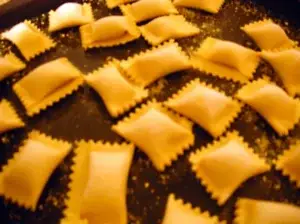
Agnolotti del plin gets its name from the pinch used to close the small pasta pillows. The word plin means pinch in the Piedmontese dialect. These small pockets are traditionally filled with roasted meats or vegetables and sealed with a quick pinch to remove air and protect the filling.
History of Agnolotti Pasta in Piedmont
Agnolotti traces its roots to Piedmont, a northern Italian region known for resourceful cooking and deep respect for local ingredients. The pasta developed as a practical way for home cooks to reuse leftover roasted or braised meats, especially from celebratory meals. Instead of discarding these remnants, families finely chopped the meat, seasoned it with herbs, and sealed it inside thin sheets of fresh pasta. International pasta
This tradition reflects the broader Piedmontese philosophy of cooking with intention rather than excess. Agnolotti fillings often included beef, pork, veal, or rabbit, combined with vegetables, cheese, and sometimes a splash of broth to restore moisture—recipes varied from household to household, shaped by what was available rather than rigid rules.
Over time, Agnolotti spread from rural kitchens to taverns and trattorias, becoming closely associated with Sunday meals and festive gatherings. Distinct local versions emerged, including Agnolotti del plin, which are smaller and hand-pinched, thereby reinforcing the dish’s regional character.
Today, Agnolotti stands as a symbol of Piedmontese culinary identity. It represents a balance of economy, craftsmanship, and flavor, preserving a history where thoughtful technique mattered as much as the ingredients themselves.
Agnolotti vs Ravioli Difference
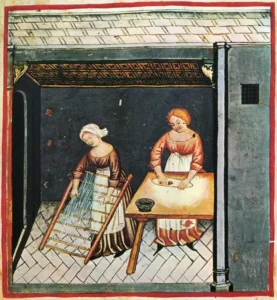
Many cooks confuse Agnolotti with Ravioli. Ravioli uses two sheets of pasta, while Agnolotti uses one sheet folded over the filling. Ravioli fillings vary across Italy. Agnolotti fillings tend to stay closer to Piedmont traditions, such as roasted beef, vegetables, or greens.
For a deeper comparison, read your Ravioli Guide.
Agnolotti vs Tortellini vs Cappelletti
Tortellini and Cappelletti are ring-shaped pastas from Emilia Romagna, often served in broth. Agnolotti uses a folded pillow shape and focuses on roasted meat and seasonal vegetables.
History of Agnolotti Pasta in Piedmont
Agnolotti traces back to Piedmont, where cooks repurposed leftover meats into pasta fillings. The recipe evolved across villages and now stands as a symbol of Piedmontese culinary identity.
2: Recipes and Mastering the Plin: Traditional Folding and Pinching Techniques
Traditional Piedmontese Agnolotti Recipe With Meat Filling
The classic filling contains braised beef, roasted pork, or leftover stews. Herbs like sage and rosemary strengthen the flavor while Parmigiano adds richness.
How To Make Agnolotti del Plin Step by Step
Here is the basic sequence.
- Roll the pasta dough into a thin sheet.
- Pipe or spoon small amounts of filling along one edge.
- Fold the dough over the filling.
- Pinch between each mound to seal tightly.
- Cut pieces with a knife or pasta wheel.
See this visual tutorial: Agnolotti del Plin Step-by-Step Video.
Agnolotti Pasta Dough Thickness for Pasta Machine
The ideal thickness is the second-thinnest setting on most pasta rollers. Thin dough keeps the pasta delicate without tearing.
Best Fillings for Vegetarian Agnolotti Pasta
- Spinach and ricotta
- Roasted pumpkin and Parmesan
- Mushroom and mascarpone
- Artichoke and Pecorino
- Caramelized onion and goat cheese
Agnolotti Pasta With Ricotta and Spinach
This filling uses creamy ricotta mixed with blanched spinach. Nutmeg and Parmigiano add warmth and flavor.
Agnolotti Pasta With Brown Butter Sage Sauce
Brown butter provides a nutty aroma. Add sage leaves to infuse flavor. Toss the pasta in the sauce and serve immediately.
Radiatori vs. Agnolotti: Pasta Comparison Guide
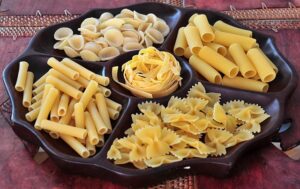
| Feature | Radiatori Pasta | Agnolotti Pasta |
| Shape Style | Ruffled “Radiator” Ridges | Pinched “Plin” Pockets |
| Best Sauce Pairings | Thick Cream, Pesto, Ragù | Brown Butter, Sage, Braising Juices |
| Sauce Retention | Maximum (External Ridges) | High (Internal Filling + Folds) |
| Origin Region | Industrial / Modern Italy | Piedmont (Northern Italy) |
| Texture | Chewy & Structural | Delicate & Silky |
| Common Fillings | None (Dry Pasta) | Roasted Meats, Vegetables, Cheese |
3: Sauces and Pairings
Best Sauce for Agnolotti Pasta
Rich meat sauces complement meat fillings. For vegetarian fillings, use brown butter, brodo, or a light cream reduction.
Agnolotti Pasta Served in Brodo
Serving agnolotti in broth warms the dish and keeps the texture light. Beef or vegetable broth works well.
Agnolotti Pasta With Butter Sage Sauce
Butter sage sauce balances both meat and vegetarian fillings. Some cooks finish with lemon juice for brightness.
Agnolotti Pasta Wine Pairings
Pair with Piedmont wines—Barbera for acidity, Nebbiolo for structure, Dolcetto for fruit balance. White wines like Arneis or Gavi pair well with lighter fillings.
4: Storage and Buying of Agnolotti Pasta
How to Freeze Homemade Agnolotti Pasta
Freeze the pasta in a single layer on a tray. After one hour, transfer them to airtight containers to prevent sticking.
Cook Frozen Agnolotti Without Breaking
Do not thaw before cooking. Drop frozen Agnolotti directly into boiling water to retain shapes.
Where to Buy Fresh Agnolotti Pasta Online
You can find fresh Agnolotti at gourmet Italian retailers such as Eataly.
Best Italian Restaurants Serving Agnolotti
Top restaurants in Turin, Alba, and Asti serve authentic Agnolotti. These regions preserve the original Piedmontese technique and flavors.
5: Advanced Queries
Agnolotti del Plin Pasta Filling Ideas for Fall
- Pumpkin and sage
- Roasted chestnut and mascarpone
- Pear and gorgonzola
- Porcini and thyme
Agnolotti Pasta Dough Hydration Tips
Use 55-60% hydration, depending on flour strength. Lower hydration causes cracks, while higher hydration makes the dough sticky.
Agnolotti Pasta Troubleshooting Air Pockets
Press firmly around each filling mound before cutting. Make sure the filling is smooth and not watery.
Agnolotti Pasta With Braised Beef Filling
Braise beef with onion, herbs, and wine. Reduce until tender and blend into a fine mixture. This filling works well with winter sauces.
Agnolotti Pasta With Mushroom and Truffle
Sauté mushrooms until golden. Mix with ricotta or mascarpone. Add shaved truffle for a luxurious aroma.
Frequently Asked Questions About Agnolotti
Q: Is Agnolotti the same as Ravioli?
No. Ravioli are made from two separate sheets of pasta sealed around the filling. Agnolotti uses a single sheet that is folded and pinched, which creates a distinct shape, seal, and eating texture.
Q: How long should Agnolotti be cooked?
Fresh Agnolotti cooks quickly, usually in 2 to 4 minutes. Once the pasta floats and feels tender with a slight bite, it is ready to serve. Overcooking can cause the filling to loosen or leak.
Q: Can I cook agnolotti from frozen?
Yes. Cook Agnolotti directly from frozen without thawing. This helps preserve the shape and reduces the risk of the filling breaking through the pasta.
Q: What sauce works best with Agnolotti?
Light, restrained sauces work best. Brown butter with sage, reduced meat drippings, simple pan juices, or clear brodo enhance the filling rather than overpowering it.
Q: Why is Agnolotti pasta served with minimal sauce?
Traditional Agnolotti fillings are rich and highly seasoned. Minimal sauce keeps the focus on the filling and maintains balance on the plate.
Q: What fillings are traditionally used in Agnolotti pasta?
Classic fillings include roasted or braised meats such as beef, pork, or veal, often mixed with vegetables, herbs, and a small amount of cheese. Recipes vary by region and household.
Q: Can Agnolotti be vegetarian?
Yes. Common vegetarian fillings include ricotta and spinach, pumpkin, mushrooms, or mixed vegetables. These versions pair best with butter-based or olive oil–based sauces.
Q: Is Agnolotti pasta egg-based?
Most traditional Agnolotti dough contains eggs, which provide structure and richness. Egg-free dough exists but is less common in classic preparations.
Q: What flour works best for Agnolotti dough?
Finely milled 00 flour works best. It creates smooth, elastic dough that rolls thin and seals cleanly without tearing.
Q: Is Agnolotti pasta suitable for beginners?
Yes. The pinch-and-fold method is straightforward and forgiving. With basic dough handling skills, beginners can produce consistent Agnolotti at home.
Q: Can Agnolotti pasta be made ahead of time?
Yes. You can prepare Agnolotti in advance and refrigerate it for several hours. For longer storage, freeze it in a single layer, then transfer it to an airtight container.
Q: What is the difference between Agnolotti and Ravioli?
Answer: While both are stuffed pastas, Agnolotti is made from a single folded piece of dough pinched at the sides, whereas Ravioli consists of two separate sheets of pasta pressed together. Traditionally, Agnolotti is also smaller and often filled with roasted meats rather than cheese.
Q: What does “Agnolotti del Plin” mean?
Answer: “Plin” translates to “pinch” in the local Piedmontese dialect. This refers to the signature technique of pinching the pasta dough with your fingers to create the individual pockets and seal in the filling.
Q: How do you prevent Agnolotti from bursting while boiling?
Answer: To keep Agnolotti intact, ensure there are no air bubbles in the filling before sealing. Use a gentle simmer rather than a rolling boil, and avoid overcrowding the pot, which can cause the delicate pinched edges to snag and tear.
Q: What is the best sauce for Agnolotti?
Answer: Because Agnolotti filling is usually rich and savory, it is traditionally served with a simple brown butter and sage sauce (burro e salvia) or the braising juices from the meat used in the filling. This allows the flavor of the pasta itself to shine without being overwhelmed by heavy tomato sauce. What makes the “Radiatori” shape so effective for sauce?
Answer: The effectiveness of Radiatori lies in its high surface area and concentric ruffles. Created through bronze die extrusion, these deep grooves create a vacuum-like effect that “traps” viscous sauces. Unlike smooth pasta, the structural “fins” ensure a high sauce-to-pasta ratio in every single bite, making it a favorite in modern Italian gastronomy.
Q: How do you achieve the perfect “Al Dente” texture with stuffed pasta?
Answer: Achieving al dente with freshly pinched Agnolotti is different from dry pasta. Since the dough is made with high-protein flour or semolina, it cooks quickly. You should look for the pasta to float to the surface, then taste-test the “pinch” (the thickest part). It should be firm to the tooth but without a floury center, typically requiring only 3–5 minutes of simmering in salted water.
Executive Summary: Agnolotti Pasta Guide
Agnolotti pasta stands as a cornerstone of Piedmontese culinary identity, deeply rooted in the traditional gastronomy of Northern Italy. This ultimate guide explores the history, structural craftsmanship, and authentic preparation techniques that distinguish Agnolotti from other stuffed pasta varieties.
Key Semantics & Product Differentiation
Agnolotti vs. Ravioli: Unlike ravioli, which utilizes two separate sheets of dough pressed together, traditional Agnolotti is crafted from a single sheet of egg-based pasta folded directly over a savory filling.
Agnolotti del Plin: Named after the regional dialect for “pinch,” this famous variety features small, artisanal pockets sealed using a distinct hand-pinching technique to lock in rich flavors and eliminate air pockets.
Traditional Fillings & Technical Execution
Authentic Piedmontese recipes emphasize resourceful, intentional cooking. Classic versions utilize finely chopped roasted meats (such as braised beef, pork, or veal) enhanced with fresh herbs and Parmigiano-Reggiano. Modern culinary adaptations feature premium vegetarian options, including:
Ricotta and blanched spinach with a hint of nutmeg.
Earthy mushroom and mascarpone accented by shaved truffles.
Roasted pumpkin or butternut squash with Pecorino.
Achieving the perfect al dente texture requires precise dough hydration (typically 55–60%) using finely milled 00 flour. The dough must be rolled to a delicate, translucent thinness—ideally the second-thinnest setting on a standard pasta machine—ensuring a silky mouthfeel that never overpowers the filling.
Culinary Pairings & Preservation
To honor the craftsmanship of the filling, Agnolotti is traditionally served with minimal, light sauces rather than heavy tomato bases.
Best Sauce Pairings: A classic brown butter and sage sauce (burro e salvia), clear beef brodo (broth), or reduced pan juices from the original braised meat filling.
Wine Affinities: High-acidity and structured Northern Italian wines, such as Barbera, Nebbiolo, or a crisp white Arneis.
Storage Best Practices: Homemade Agnolotti should be flash-frozen in a single layer on a tray before transferring to an airtight container. To maintain structural integrity and prevent bursting, always cook directly from frozen in a gentle simmer of salted water rather than a violent rolling boil.
Many pasta problems, such as a mushy texture, a bland taste, or poor sauce coverage, stem from missing key fundamentals. The solution is simple: focus on proper cooking methods, water science, and pairing pasta shapes with the right sauces.
A complete pasta cooking guide, combined with knowledge of water science for pasta, the best pasta for each sauce, and common pasta mistakes, helps you fix errors and achieve perfectly cooked pasta every time.
To know more, our Pasta Cooking: 9 Powerful Secrets for Perfect Results,
Casarecce Pasta: 11 Essential Secrets for Perfect Sauce
Rigatoni Pasta: 7 Reasons It’s the Best Shape for Big Flavor
Cappelletti Pasta: 7 Amazing Secrets of This Italian Classic
Linguine Pasta: 7 Amazing Secrets You Should Know
Above are our valuable contributions and informational hubs.
Key Technical Secrets for Authentic Results
Achieving the perfect al dente texture requires a delicate balance of dough hydration and thickness. Using finely milled 00 flour, the dough should be rolled to a translucent thinness—typically the second-thinnest setting on a pasta machine—to ensure a silky mouthfeel that doesn’t overpower the rich interior.
Traditional Pairings and Modern Versatility
Classic Sauces: To honor the artisanal filling, avoid heavy tomato bases. Instead, opt for a brown butter and sage sauce (burro e salvia) or the original braising juices from the meat filling.
Vegetarian Variations: Modern interpretations include creamy ricotta and spinach, roasted pumpkin, or earthy mushroom and truffle combinations.
Wine Pairings: Enhance the experience by pairing the dish with high-acidity northern Italian wines like Barbera or structured Nebbiolo.
Preservation and Preparation
For home cooks, homemade Agnolotti can be frozen in a single layer to prevent sticking. To maintain structural integrity and prevent the pasta from bursting, always cook from frozen in a gentle simmer of salted water rather than a violent rolling boil. Whether served in a light brodo (broth) or tossed in nutty butter, Agnolotti remains a symbol of Italian gastronomy that rewards craftsmanship and mindful ingredient selection.
NOTE:
To avoid the waste of food and cook the right amount of Pasta per person, use our Pasta Portion Calculator
6: Conclusion and Call to Action
Agnolotti pasta stands out because it puts the filling first. Its folded structure, thin dough, and restrained use of sauce create a pasta that feels deliberate rather than heavy.
When prepared well, it delivers depth of flavor without excess, which is why it remains a staple in traditional Italian cooking.
Whether you choose a classic meat filling served with butter and sage or a lighter vegetarian version finished with olive oil,
Agnolotti rewards careful technique more than complexity. Once you understand the folding method and cooking time, it becomes a reliable option for both everyday meals and special occasions.
Your next step is simple. Try making agnolotti at home using a small batch of dough and a straightforward filling. Focus on clean seals, gentle cooking, and minimal sauce.
After a few attempts, you will gain confidence and a deeper appreciation for why this pasta shape has endured for generations.
If you want to keep building your pasta knowledge, explore our guides on related filled shapes and dough techniques to sharpen your skills and cook with greater precision every time.
💡 Pro Tip: The “Floating” Trap and the Pinch Test
Don’t pull your pasta too early! A common mistake with stuffed shapes like Agnolotti is assuming they are perfectly cooked the exact moment they float to the top of the pot.
While floating means the density has changed and the filling is heated through, the “plin” (the folded pinch) is significantly thicker than the rest of the translucent dough sheet. If you serve them immediately, that pinched seal will still be dense and taste rawly floury.
How to get it perfect every time:
Let the Agnolotti simmer gently for an additional 60 to 90 seconds after they rise to the top.
Perform a quick physical check: fish one out and press the pinched edge with your fingers. It should feel completely supple and yield easily to the touch, indicating a flawless, uniform al dente bite from the silky center to the artisanal seam.

Syed Yasar Arafat is the founder of PastaLoverz.com and a food research enthusiast with a focused interest in pasta varieties, traditional Italian cuisine, and balanced eating. Through PastaLoverz.com, he publishes well-researched articles that explain pasta types, cooking methods, and nutritional considerations in clear, practical terms to help readers make informed food choices.

One Response