
Casarecce pasta is a traditional Sicilian pasta known for its short, twisted shape, which traps sauce in every bite. The name “casarecce” means “homemade,” reflecting its rustic origins in southern Italian kitchens.
1. Why This Guide Is Worth Your Time
Casarecce pasta often appears in Sicilian recipes, but many cooks are unsure why this shape matters. This guide explains what casarecce is, how to cook it al dente, and which sauces work best, using practical, kitchen-tested guidance.
It directly answers common searches such as ‘what is casarecce pasta’, ‘how to cook casarecce’, and ‘traditional Sicilian casarecce recipes’, making it useful for both beginners and confident home cooks.
2. What Casarecce Pasta Actually Is?
Casarecce pasta is a short-cut pasta from southern Italy, closely associated with Sicily. Its name comes from casareccio, meaning “homemade” or “rustic,” reflecting its traditional preparation in home kitchens.
Authentic casarecce pasta is made from durum wheat semolina and water. Modern versions are often bronze-cut, which creates a rough surface that helps sauces cling more effectively.
3. Shape, Texture, and How Casarecce Pasta Behaves
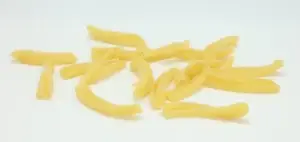
Casarecce pasta has a loose, twisted “S” shape with inward curves that form a shallow channel. This structure traps sauce, herbs, and small ingredients inside the pasta rather than letting them slide off.
When cooked correctly, it has a firm, chewy bite. Its sturdy build makes it suitable for chunky sauces and often places it alongside fusilli as a reliable option for textured dishes.
4. How to Cook Casarecce Pasta Perfectly Al Dente?
Casarecce pasta typically cooks in 9 to 13 minutes, but doneness is determined by taste rather than timing.
For best results:
- Boil a large pot of well-salted water
- Stir during the first minute
- Taste early, before the lowest suggested time
- Reserve pasta water, then drain
- Finish cooking in the sauce
Finishing in the pan improves sauce adhesion and prevents overcooking, especially in one-pot and rustic Sicilian-style dishes.
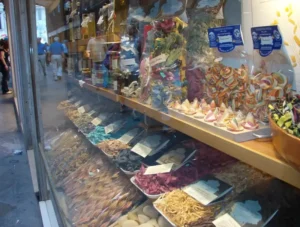
5. Best sauces and flavor matches for Casarecce Pasta
The curves and channels make casarecce ideal for rustic and chunky sauces. Strong matches include:
- Chunky tomato sauces with garlic and basil.
- Pistachio or almond Pesto.
- Traditional pesto alla trapanese.
- Meaty sauces inspired by amatriciana.
- Roasted vegetable mixtures such as zucchini, peppers, or eggplant.
Creamy sauces also work well, especially when thinned slightly with reserved pasta water for a silky finish.
6. Classic Sicilian-style recipes
Authentic Sicilian combinations highlight simple, fresh, high-quality ingredients. Common preparations include:
- Pistachio Pesto with lemon and Pecorino.
- Pesto alla Trapanese with tomatoes, almonds, basil, and cheese.
- Tomato sauce with fried eggplant, similar to pasta alla Norma.
Many Italian-food sites include short videos demonstrating the texture of pesto or how to fry eggplant correctly.
7. Easy one-pot and weeknight ideas
Convenience is a primary reason people choose casarecce pasta for quick meals. One-pot methods combine flavor and simplicity by cooking the pasta directly in a seasoned liquid.
Popular ideas:
- Sausage skillet with onions, garlic, tomatoes, and stock.
- Veggie-focused pots with peppers, spinach, or zucchini.
- Dairy-free roasted pepper sauce blended with olive oil and garlic.
8. Health, Nutrition, and Special Diets Related to Casarecce Pasta
Casarecce pasta fits comfortably into a balanced eating pattern when portion size and preparation are mindful. Made from durum wheat semolina, it provides complex carbohydrates that support steady energy and a modest amount of plant-based protein.
Cooking it al dente helps slow digestion, which supports a more stable glycemic response compared to overcooked pasta.
Nutritionally, casarecce pasta works best as part of a complete plate rather than a stand-alone dish. Pairing it with fiber-rich vegetables, healthy fats, and protein improves satiety and overall balance.
This approach aligns with traditional Mediterranean eating patterns, in which pasta complements other ingredients rather than dominating the meal.
To keep casarecce dishes lighter and more nutrient-dense:
- Load the sauce with vegetables such as zucchini, spinach, tomatoes, or eggplant
- Use olive oil, herbs, and aromatics instead of heavy cream or excess cheese
- Add lean protein like fish, legumes, or grilled chicken
- Serve smaller portions alongside a salad or vegetable side
For special diets, gluten-free casarecce pasta options are widely available. Versions made from rice, corn, chickpeas, or lentils vary in texture and cooking time, but many perform well when cooked carefully and finished in a sauce.
Legume-based options also increase protein and fiber, which can be helpful for plant-focused diets.
As with any pasta, health outcomes depend more on how you prepare and portion casarecce than the shape itself. When combined thoughtfully, it supports both flavor and nutrition without feeling restrictive.
9. How to choose quality brands of Casarecce Pasta
When people search for authentic versions online, they often look for traditional production methods and high-quality ingredients. Good signs include:
- 100% durum wheat semolina.
- Bronze-cut extrusion for a rough, sauce-friendly texture.
- A matte surface rather than a shiny one.
- Origin markings such as “Product of Italy” or IGP seals.

Syed Yasar Arafat is the founder of PastaLoverz.com and a food research enthusiast with a focused interest in pasta varieties, traditional Italian cuisine, and balanced eating. Through PastaLoverz.com, he publishes well-researched articles that explain pasta types, cooking methods, and nutritional considerations in clear, practical terms to help readers make informed food choices.

I am constantly searching for brand spanking new data on this essential subject,
and am specifically stoked when ever I discover websites
that happen to be well-composed and well-researched.
I want to thank you for featuring this superb knowledge, and I also count on reading more
from your blog page in the long term future.