
The Golden Pearls of Sardinia: A Complete Guide to Fregula Pasta
Fregula pasta is from Sardinia, a golden, toasted semolina treasure known for its nutty flavor and unique, pearl-like texture. Unlike regular pasta, fregula is gently roasted after shaping, giving it a deeper, richer flavor.
The ancient Sardinian staple works beautifully in seafood dishes, hearty stews, and even pasta salads.
In this guide, you will discover what makes fregula pasta special, how to cook it properly, and the best sauces that bring out its bold Mediterranean character.
Want to understand how a frustum compares with other shapes? Explore our guides to Stelline, Gemelli, and Orzo pasta for more context on the traditions of small-format pasta.
To see how it’s made in Sardinia, check out this video walkthrough of authentic fregula production: Traditional Sardinian Fregula Making – YouTube.
The Ancient Roots of Sardinian “Fregula”
To understand this ingredient, you must first understand the land that created it. Sardinia is an island of rugged interiors and pristine coastlines, a place where food is not just sustenance but a marker of identity. Fregula (often spelled fregola in Italian, though fregula is the distinct Sardinian dialect term) dates back centuries. Some food historians trace its lineage to the 10th century, suggesting it arrived with North African immigrants who brought couscous techniques to the island. However, Sardinians fiercely claim it as their own invention, born of the need to preserve durum wheat during long winters.
The name itself, likely derived from the Latin fricare (to rub), describes exactly how it is made. Traditionally, women would gather in the kitchen with a terracotta bowl known as a scivedda. They would sprinkle coarse semolina flour with water and salt, rubbing the mixture in a circular motion with their fingertips. This hypnotic, skillful “rubbing” creates small, irregular dough spheres. It is a labor of love that transforms simple flour into a work of art.
We see this pasta as a bridge between cultures—a meeting point of the Mediterranean manufacturing style and the island’s unique agricultural heritage. When you eat it, you are not just consuming starch; you are participating in a ritual that has survived empires.
Here is a visual demonstration of hand-rolling fregula for deeper insight:
The Toasting Difference: Why It Stands Apart
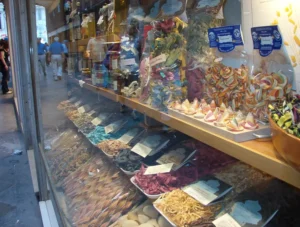
What truly separates fregula pasta from its cousins is the fire. Once the fresh pearls are formed and air-dried, they undergo a crucial final step: roasting. Producers place the Fregula pasta in an oven, toasting it until the beads turn various shades of gold, amber, and deep brown.
This toasting process is the game-changer. It does two things:
- Flavor: It creates a Maillard reaction, unlocking savory, nutty, and almost woody distinct notes that you cannot get from plain dried pasta.
- Texture: The heat hardens the outer shell, allowing the pasta to maintain a delightful al dente chewiness even when submerged in hot broth for extended periods.
This aligns perfectly with Blue Zone dietary principles, which emphasize wholesome, unprocessed grains as the backbone of a longevity-focused diet. The complexity of flavor means you often need fewer heavy sauces to make a delicious meal; a simple dressing of olive oil and herbs usually suffices.
If you enjoy toasty, rustic flavors, you’ll also love the texture of Radiatori pasta and Agnolotti, both of which pair well with similar sauce profiles.
Fregula vs. Israeli Couscous: The Great Confusion
One of the most common mistakes home cooks make is substituting fregula pasta with Israeli couscous (or pearl couscous). While they look nearly identical—both being small, round balls of wheat—they perform very differently in the pot.
Production: Israeli couscous is a machine-made, extruded product developed in the 1950s as a rice substitute. It has a uniform shape and a soft, slick mouthfeel. Fregula is hand-rolled (or machine-rolled to mimic hand-rolling) and rustic in its irregularity.
Flavor Profile: Israeli couscous is neutral. Fregula is complex and toasted.
Sauce Adhesion: The surface of fregula is rough and porous, designed to trap sauce. Israeli couscous is smooth, meaning sauces often slide right off.
If a recipe calls explicitly for the Sardinian variety, using a substitute will result in a flatter, less engaging dish. The authentic “bite” will be missing.
For a comparison of other small pastas, see our Pastina guide
A Symphony of Taste and Texture
When you take your first bite, you notice the resistance. It does not mush; it bites back slightly. The flavor is reminiscent of toasted bread crusts or roasted nuts. Because the pearls vary in size and toasting levels within a single bag, every spoonful offers a slightly different experience. Some pearls are deeply toasted and smoky, while others are lighter and milder.
This variance is the hallmark of quality. Industrial standardization often kills a product’s soul, but here, inconsistency is the virtue. It adds a rustic elegance to dishes that refined pastas cannot replicate.
Master Class: How to Cook Fregula Pasta?
The versatility of this ingredient is bound only by your imagination, but understanding the physics of cooking is key. Because it is made of hard durum wheat, it takes longer to hydrate than you might expect.
Method 1: The Boiling Technique (Pasta Style)
This is the standard approach for salads or simple sides.
- Bring a large pot of salted water to a rolling boil.
- Add your pasta.
- Boil for approximately 10 to 12 minutes.
- Drain, but do not rinse (unless making a cold salad immediately).
- Toss with sauce.

Method 2: The “Risottata” Technique (Absorption)
This is the preferred method for high-end chefs and traditionalists. You treat the pasta exactly like Arborio rice in a risotto.
- Sauté the aromatics (onion and garlic) in olive oil.
- Add the fregula pasta and toast it in the oil for a minute.
- Deglaze with white wine.
- Gradually ladle in hot vegetable or seafood broth, stirring constantly.
- Cook until the liquid is absorbed and the pearls are tender but firm.
Result? The starches release into the broth, creating a naturally creamy sauce without adding cream. This method concentrates the flavor intensely inside each pearl.
Watch
If you enjoy alternative risotto-style dishes, check out our guide to Orzo recipes, which use the same method.
Classic Pairings and Culinary Uses for Fregula Pasta
The Icon: Fregula con Arselle
You cannot discuss this ingredient without paying homage to its most famous application: Fregula con Arselle (Fregula with Clams). In this dish, the pasta cooks directly in a broth made from clams, garlic, parsley, and tomatoes. The porous pearls drink up the briny, sweet seafood liquor. It is a staple in Cagliari seafood markets and a testament to the island’s coastal bounty.
Soups and Minestrone
Because it holds its shape magnificently, it is superior to macaroni or shells in soups. It won’t disintegrate if you reheat the soup the next day. Try swapping it into your next Minestrone or robust vegetable stew.
Modern Salads
For a hearty lunch, boil the pasta and toss it with roasted zucchini, sun-dried tomatoes, and fresh mint. The nutty background notes pair exceptionally well with roasted vegetables and feta cheese.
Nutritional Profile of Fregula Pasta: The Power of Durum.
Sardinians are known for their longevity, and their staple grains play a role in it. Made from high-protein durum wheat semolina, this pasta offers a steady source of energy. It is rich in carotenoids (which give semolina its yellow hue) and, when paired with legumes or seafood, creates a complete, nutrient-dense meal. While it is not gluten-free—and celiacs must avoid it—it is often easier to digest than soft-wheat pasta because of the quality of the semolina used.
Learn more about durum wheat by exploring shapes like Linguine pasta, another semolina-based classic.
Buying Guide: Sourcing the Real Deal of Fregula Pasta
Finding authentic fregula pasta can be a treasure hunt.
- Supermarkets: look in the “International” or “Gourmet” aisle, not just the standard pasta section.
- Specialty Stores: Italian delis are your best bet. Look for brands that import directly from Sardinia.
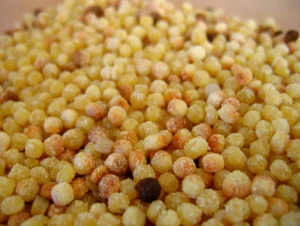
- Packaging: Check the ingredients. It should list “Durum Wheat Semolina” and “Water.” If it lists eggs, it is not the traditional version. Look for visible color variation in the pearls throughout the bag—this indicates a proper toasting process.

- Perfect pasta comes down to mastering a few core fundamentals: using the right cooking method, understanding how water and starch interact, pairing the right pasta with the right sauce, and avoiding common mistakes. When these elements come together, your pasta has a better texture, improved flavor, and holds sauce more effectively.
- To build these skills, follow a complete pasta cooking guide, learn the water science behind pasta, explore the best pasta for each sauce, and understand common pasta mistakes. These foundational techniques will help you cook better pasta every time, no matter the shape or recipe.
- Water Science for Pasta: 9 Secrets for Perfect Results
- The Ultimate Pasta Pairing Guide: 17 Perfect Sauce Matches
- Cook Pasta Perfectly: 7 Pro Secrets to Avoid Sticky Noodles
- Lasagne Verdi: 6 Steps to Authentic Spinach Pasta [2026]
- Above are our valuable contributions and informative hubs.


Frequently Asked Questions (FAQ)
Q: Is fregula pasta gluten-free?
A: No. Fregula pasta is made from durum wheat semolina, so it contains gluten. Those with wheat sensitivities should avoid it or look for specific gluten-free corn/rice alternatives, though the texture will differ.
Q: Can I make Fregula pasta at home?
A: Absolutely, though it requires patience. You need coarse semolina, water, and a wide bowl. Sprinkle water over the flour, then rub in circles until the mixture forms beads. Then, roast them in an oven at 300°F (150°C) for 15 minutes.
Q: How long can Fregula pasta keep in the pantry?
A: Like other dried pastas, it has a long shelf life. Keep it in an airtight container in a cool, dark place, and it will last for up to two years without losing quality.
Q: What is the best substitute for Fregula pasta if I can’t find it?
A: While we established that Israeli couscous is different, it is the closest in physical shape. For flavor, however, toasted orzo is a better match. You can toast standard orzo in a dry pan before boiling to mimic the nutty flavor profile of fregula pasta.
Q: Is Fregula pasta suitable for vegans?
A: Yes, the traditional Fregula pasta recipe is strictly semolina and water, making it 100% plant-based.
Q: Why does authentic fregula pasta have different colors in the same bag?
The signature multi-colored appearance of authentic Sardinian fregula—ranging from pale yellow to deep amber and dark brown—is a direct result of the traditional roasting process. After the rustic semolina pearls are rolled by hand in a scivedda (terracotta bowl) and air-dried, they are oven-toasted. Because the irregular, handmade beads vary slightly in size, they roast unevenly. This variation is a hallmark of artisan quality, creating a complex nutty flavor profile and a delightful mix of smoky notes in every bite.
Q: What is the difference between Fregula and Israeli pearl couscous?
While they look visually similar, fregula pasta and Israeli (pearl) couscous are entirely different culinary products:
Fregula: A rustic, hand-rolled pasta from Sardinia made from coarse durum wheat and water. It features a rough, porous surface designed for sauce adhesion and is oven-roasted for a deeply toasted flavor.
Israeli Couscous: A machine-made, extruded wheat product developed in the 1950s. Its surface is perfectly smooth, meaning sauces tend to slide off, and its flavor is highly neutral compared to the rich, woody notes of toasted fregula.
Q: How do you use the “Risottata” technique to cook fregula pasta?
The risottata method treats fregula exactly like Arborio rice in a traditional risotto. First, you toast the dry fregula pearls in olive oil with aromatics like onion or garlic, then deglaze the pan with dry white wine. Instead of boiling it in water, you gradually add ladles of hot vegetable or briny seafood broth, stirring constantly as the pasta absorbs the liquid. This coaxes out the natural starches from the durum wheat, creating a rich, velvety sauce without needing to add cream.
Q: Why is fregula pasta considered superior for hearty soups and minestrone?
Fregula is highly favored for stews and soups because its hard durum wheat structure undergoes a Maillard reaction during the roasting stage. This creates a dense, resilient outer shell. Unlike delicate shapes like Stelline or Orzo pasta, fregula holds its distinct al dente texture magnificently. It will not swell up, absorb all your broth, or turn mushy, making it perfect for robust Mediterranean vegetable stews or a classic seafood Fregula con Arselle.
Summary
This definitive guide explores the artisan heritage, distinct flavor profile, and traditional preparation of authentic fregula pasta, a historic Sardinian pasta shape deeply tied to Mediterranean food culture. Known for its irregular, bead-like appearance, this rustic semolina pasta is crafted from coarse durum wheat and water using an ancient hand-rolling technique in a terracotta scivedda.
Unlike standard dried pasta, genuine fregula is oven-toasted after shaping. This crucial roasting stage triggers a Maillard reaction, yielding multi-colored roasted semolina pearls that deliver a complex, nutty flavor and a resilient, al dente texture. The guide clearly distinguishes it from smooth, machine-made Israeli pearl couscous, highlighting fregula’s rough, porous surface, which excels at sauce adhesion.
Additionally, the article outlines essential cooking methodologies—contrasting a standard pasta boil with the rich, starch-releasing risotto technique using dry white wine and hot broth. It concludes with classic regional recipe pairings, emphasizing its famous pairing with briny clams (Fregula con Arselle), its structural superiority in hearty Mediterranean vegetable minestrones, and its adaptability in modern cold pasta salads.
Comparison Table: Small-Format & Toasted Pastas
| Pasta Shape | Region / Country of Origin | Core Ingredients | Texture & Surface Characteristics | Traditional Cooking & Pairing Methods |
| Fregula | Sardinia (Italy) | Coarse durum wheat semolina & water | Irregular, rough, porous roasted semolina pearls with a smoky, nutty flavor. | Prepared via the risottata technique or simmered in broth; famously paired with clams (Fregula con Arselle). |
| Orzo (Risoni) | Mainland Italy | Durum wheat semolina & water (or egg) | Smooth, uniform, rice-shaped grains; can be home-toasted to mimic a deeper flavor profile. | Commonly used as a pastina variety in broths, light summer salads, or baked casseroles. |
| Israeli Couscous (Pearl Couscous) | Israel | Wheat flour & water | Machine-extruded, perfectly uniform, slick spheres with a highly neutral palate. | Typically boiled and drained; smooth surface makes it less effective for robust sauce adhesion. |
| Stelline | Mainland Italy | Refined wheat semolina & water | Tiny, smooth, star-shaped pieces with a central hole; lacks a roasted exterior. | Exclusively cooked directly inside delicate, clear broths, baby food preparations, and classic comforting minestrones. |
Conclusion
We often get stuck in a culinary rut, rotating through the same spaghetti and penne dishes week after week. Fregula pasta offers a way out of that monotony. It brings history, texture, and a profound depth of flavor to your table, inviting conversation. Whether you simmer it with fresh clams, stir it into a rich tomato soup, or toss it with fresh summer vegetables, you are connecting with a tradition that values patience and quality above all else.
So, next time you are at the market, look for the bag of multicolored golden pearls. Your palate—and your dinner guests—will thank you for the journey to Sardinia.
Disclaimer: This article on Fregula pasta is for informational culinary purposes only. Always check product labels for specific allergen information.

Syed Yasar Arafat is the founder of PastaLoverz.com and a food research enthusiast with a focused interest in pasta varieties, traditional Italian cuisine, and balanced eating. Through PastaLoverz.com, he publishes well-researched articles that explain pasta types, cooking methods, and nutritional considerations in clear, practical terms to help readers make informed food choices.

I have been reading this site for a while now, and I must say the depth of your content is impressive.
It’s rare to see thoughtful material these days. Keep it up!
Thanks. Sure