
What is Cappelletti Pasta? Origins, Fillings, and How to Cook It
Cappelletti pasta is a traditional Italian stuffed pasta known for its small hat shape and delicate fillings. Cappelletti pasta is commonly served in broth or with light sauces, making it a comforting dish in many Italian kitchens.
Table of Contents
How Makers Prepare It
What is Cappelletti Pasta?
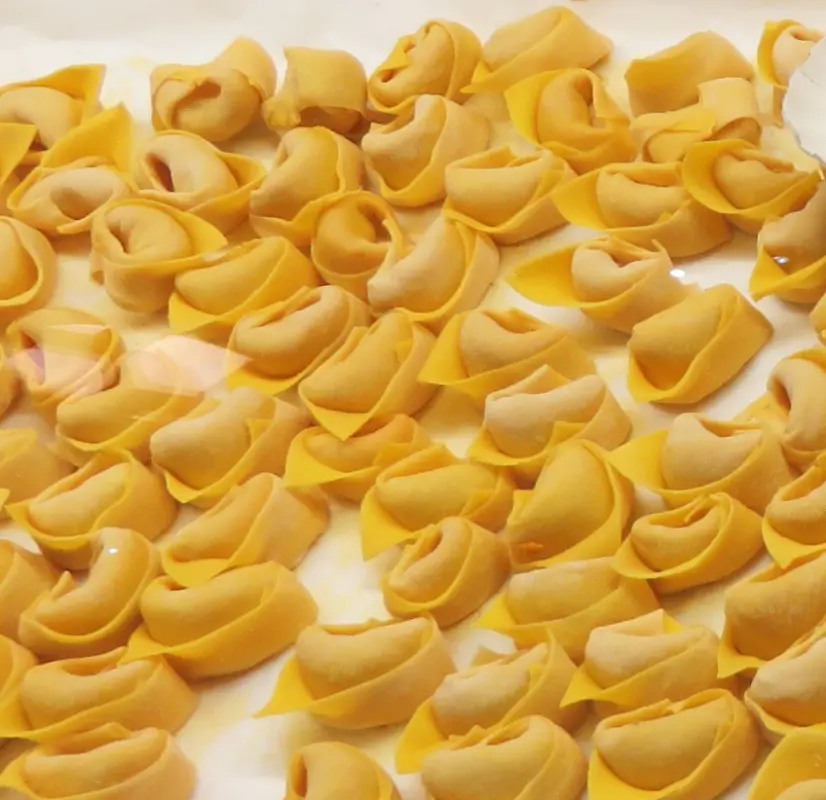
It is a traditional stuffed pasta from central Italy, most commonly associated with Emilia-Romagna and Umbria. Its name translates to “little hats,” which perfectly describes its shape: a small folded pasta circle that resembles a cap.
Unlike simple shapes such as spaghetti or penne, Chefs consistently fill it before cooking. The stuffing can vary, but common fillings include cheese, meats, and herbs. Traditionally, it was prepared during holidays, especially Christmas, when families would gather to fold the pasta together before serving it in broth.
Everyone enjoys Cappelletti pasta year-round, both in classic soups and with delicate sauces that highlight its tender bite and flavorful fillings.
The Origins
Cappelletti pasta dates back several centuries and holds deep roots in central and northern Italy. Most food historians trace its origins to Emilia-Romagna, while neighboring regions such as Marche and Umbria also maintain long-standing claims. These overlapping traditions reflect how pasta culture evolved locally, shaped by family customs rather than formal borders.
Renaissance-era records describe noble households serving Cappelletti in brodo during winter banquets. Cooks filled the small pasta with meat, cheese, or a blend of both, then served it in clear, slow-simmered broth. This preparation highlighted craftsmanship rather than excess and showed respect for ingredients at a time when food carried strong social meaning.
The shape draws inspiration from medieval clerical hats, which gives the pasta its name, meaning “little hats.” Artisans folded each piece by hand, aiming for a balance between thin dough and compact filling. That precision turned Cappelletti into a marker of skill rather than size.
Over time, Cappelletti became closely linked to celebration. Families prepared it for Christmas, Easter, and essential gatherings, often working together around large tables. Elders guided technique, while younger generations learned by repetition, not written recipes.
Today, many Italian households still honor this ritual. Making Cappelletti remains a shared holiday practice that connects generations, preserves regional identity, and keeps one of Italy’s most intimate pasta traditions alive.
Preperation
The process of making it requires patience, but it rewards you with a comforting, flavorful dish.
The Dough: A simple mixture of flour and eggs forms the base. The dough converts into thin sheets.
The Filling: Common choices include ricotta, Parmigiano Reggiano, ground pork, or chicken, often seasoned with nutmeg.
Shaping: Makers fill small circles of dough with a measured teaspoon of the mixture, fold them into triangles, and then close the edges to form the hat-like shape.
Cooking: It is typically boiled and then served in broth or with light sauces.
Though it takes more time than shaping regular pasta, the process is part of what makes it so treasured.
Cappelletti vs. Tortellini: What’s the Difference?
It is often confused with Tortellini, but they are distinct.
Cappelletti: Larger in size, shaped like a little hat, traditionally filled with cheese or meat, and common in broth.
Tortellini: Smaller, ring-shaped, usually filled with pork and Parmigiano, often served with cream or broth.
While similar in concept, it retains a unique identity rooted in family traditions and festive meals.
Best Ways to Cook
Because of its filling and shape, it works best with specific preparations:
In Broth (Cappelletti in Brodo): The classic version. Tiny pasta hats floating in rich chicken or capon broth.
With Butter and Sage: A simple sauce that enhances rather than overwhelms.
Light Tomato Sauce: A fresh tomato base pairs well withCappelletti cheese-filled dishes.
Creamy Sauces (Sparingly): While not traditional, some pair it with cream and mushrooms.
The key is to keep sauces light and balanced so that the pasta’s filling remains the star.
Our Linguine pasta Guide is a valuable contribution
Cappelletti Pasta Broth Recipe
Here’s a simple recipe for the classic way Italians serve it
Ingredients
300g fresh Cappelletti (homemade or store-bought)
2 liters of chicken or capon broth
Grated Parmigiano Reggiano for serving
Salt and pepper to taste
Instructions
Prepare the broth by simmering chicken or capon bones with carrots, celery, and onion for at least 2 hours. Strain.
Bring the broth to a gentle boil.
Add it and cook for 3–5 minutes, until tender.
Serve hot, ladled into bowls, with Parmigiano sprinkled on top.
This comforting dish captures the essence of Italian holiday meals.
7 Comforting Reasons to Love Cappelletti Pasta
Rich Tradition: Centuries of history connect each bite to Italian heritage.
Family Ritual: Folding Cappelletti together is a beloved holiday tradition.
Comforting Flavors: Whether in broth or sauce, it delivers a warm sensation.
Versatility: Works with broths, light sauces, and even modern twists.
Elegant Appearance: The “little hat” shape lends it a visually appealing appearance.
Nutrient Balance: With protein-rich fillings, it’s more satisfying than plain pasta.
Celebratory Dish: Reserved for special occasions, it feels extraordinary when serving.

In Modern Cuisine
While the traditional broth preparation remains iconic, chefs and home cooks have reimagined it in new ways. Some fill it with seasonal vegetables, such as pumpkin or squash, pairing them with browned butter. Others use seafood fillings for a coastal twist.
Outside Italy, it is often featured in restaurants as an alternative to Ravioli or Tortellini, appreciated for its rustic charm and refined taste.
Nutritional Value
Nutritional content varies depending on the filling, but a standard serving (100g cooked) of cheese-filled contains:
Calories: ~250
Carbohydrates: 35g
Protein: 12g
Fat: 8g
When served in broth, it makes for a lighter meal. Rich meat fillings or cream sauces raise the calorie count but also make it more satisfying.
Here is an expanded, value-added version that improves clarity, depth, and nutritional context while staying precise and active:
Nutritional Value
A standard serving of cheese-filled Cappelletti (100 g cooked) typically provides:
- Calories: ~250
- Carbohydrates: ~35 g
- Protein: ~12 g
- Fat: ~8 g
The egg-based dough provides energy-rich carbohydrates, while the cheese and meat fillings contribute protein and fat, increasing satiety. Compared to plain pasta, Cappelletti offers a more balanced macronutrient profile because the filling adds nutritional density.
Serving Cappelletti in clear broth keeps the meal lighter and easier to digest. Butter-based sauces add moderate richness, while cream sauces or meat-heavy fillings significantly raise the calorie and fat content. Portion size and preparation method play a key role in how well it fits into a balanced diet.
For those seeking a lighter option, cooks often pair cheese-filled Cappelletti with broth or simple herb sauces. Meat-filled versions suit higher-energy meals and colder seasons when the body benefits from more sustaining foods.
.
FAQs

Syed Yasar Arafat is the founder of PastaLoverz.com and a food research enthusiast with a focused interest in pasta varieties, traditional Italian cuisine, and balanced eating. Through PastaLoverz.com, he publishes well-researched articles that explain pasta types, cooking methods, and nutritional considerations in clear, practical terms to help readers make informed food choices.
Pingback: Pappardelle: Delicious Power Guide — 7 Essential Ways to Master This Pasta
Pingback: 8 Amazing Facts About Vermicelli That Will Change How You Cook It