
Radiatori Pasta: Complete Guide for Pasta Lovers
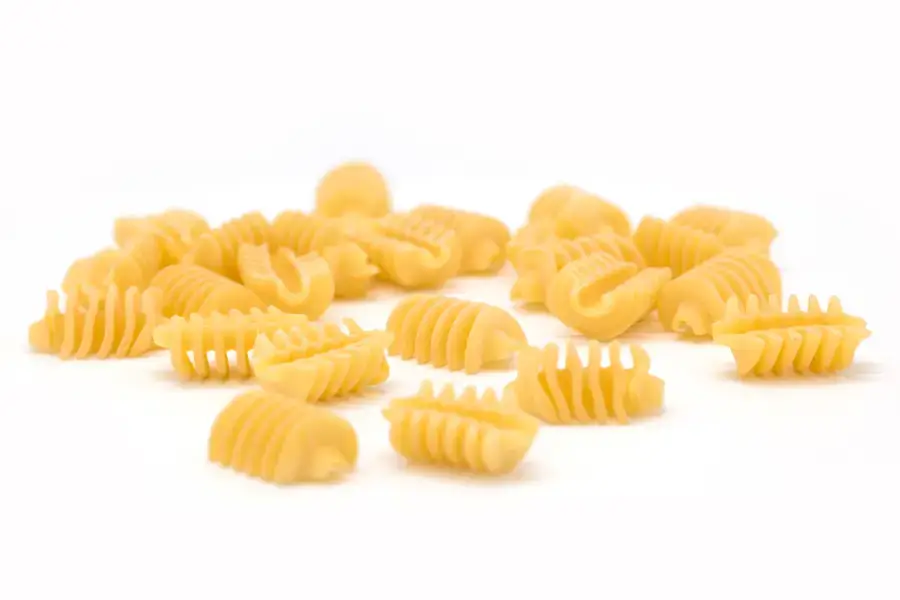
Radiatori pasta is a unique Italian pasta shape known for its ridged design that resembles small radiators. These folds and grooves are not only visually distinctive but also highly practical because they help the pasta hold thick sauces and flavorful ingredients.
Table of Contents
- What Is Radiatori Pasta
- How to Cook Radiatori Pasta Perfectly
- Best Sauces for Radiatori Pasta
- Regional and Traditional Uses
- One-Pot Radiatori Meals
- Nutritional Details and Dietary Variations
- Where to Buy Quality Radiatori Pasta
- Frequently Asked Questions
- Conclusion and Call to Action
What Is Radiatori Pasta
Radiatori pasta takes its name from its resemblance to vintage metal radiators. The shape includes deep ridges, ruffled edges, and curved pockets that hold sauces better than many smooth or tubular pasta varieties. The many folds allow thick sauces, vegetable pieces, ground meat, pesto, and creamy blends to cling firmly to the pasta.
While many Italian shapes date back centuries, radiatori pasta is a more modern creation. Most historians trace it to Italian industrial designers in the mid-twentieth Century. They shaped it to increase surface area for sauce absorption and to create a rustic, homemade appeal. Today, radiatori appear in Italian dishes, creative restaurant menus, and home kitchens worldwide.
If you enjoy shapes like bavette, orzo, and soba pasta, radiatori pasta will feel both familiar and exciting because it holds flavor well.
How to Cook Radiatori Pasta Perfectly
To cook radiatori pasta well, start by bringing a pot of boiling, salted water to a boil. Most brands need nine to twelve minutes, but tasting a piece early helps you avoid overcooking. Aim for al dente, meaning the pasta stays firm yet tender with a pleasant bite.
Keep a cup of starchy cooking water before draining. This step helps you create sauces that cling tightly to the textured ridges. After draining, mix the pasta with the sauce in a warm pan for one or two minutes. The heat blends the starch with the sauce, improving flavor absorption.
Home cooks often prefer bronze-cut radiatore pasta because it has a rough surface. This texture holds sauce better and delivers a more satisfying mouthfeel than smooth, shiny pasta.
Best Sauces for Radiatori Pasta
Radiatori pasta works with hearty, textured sauces. The deep ridges trap ingredients and distribute flavor in every bite. Popular pairings include tomato ragù, basil Pesto, creamy mushroom sauce, roasted vegetable sauces, sausage ragù, and pistachio Pesto.
The shape works well with meat and vegetable chunks because the folds hold small ingredients. Tomato-based sauces with onion, carrot, and celery cling beautifully. Nut-based pestos, like walnut and pistachio, add earthy richness. Creamy sauces sink into the grooves for a satisfying texture.
For inspiration, check recipe guides on pastaloverz.com as well as external resources such as Pasta Evangelists and The Pasta Project.
Helpful external resources include:

Useful video resources:
Regional and Traditional Recipes Featuring Radiatori (Featured Snippet Optimized)
Radiatori pasta may be a modern shape, but it adapts naturally to classic regional Italian cooking. Its compact form and deep ridges trap sauce, vegetables, and cheese, making it ideal for bold, rustic preparations across southern Italy.
In southern Italian–style cooking, radiatori pasta pairs especially well with chunky tomato sauces enriched with olive oil, garlic, olives, and roasted vegetables. The ridged surface catches bits of zucchini, peppers, and onion, ensuring each bite delivers full flavor rather than slipping to the bottom of the plate.
Sicilian-inspired recipes feature radiatori pasta alongside ingredients like eggplant, cherry tomatoes, fresh basil, and grated ricotta salata. The pasta’s folds hold soft vegetables and salty cheese, creating balanced, well-coated bites without relying on heavy sauces.
Radiatori pasta also excels with slow-cooked ragù. As the sauce simmers, meat, herbs, and aromatics settle into the grooves, giving the dish a rich, layered texture. This quality makes radiatori a favorite choice for hearty, comforting meals.
Many home cooks use radiatori pasta in baked casseroles because it stays firm and retains its shape in the oven. The shape supports thick sauces and melted cheese without becoming mushy, making it ideal for baked dishes that need both stability and flavor absorption.
Radiatori’s ability to blend modern design with traditional flavors explains why it continues to earn a place in regional and home-style Italian cooking.
One-Pot Radiatori Meals
It works well for one-pot meals because it absorbs broth and flavors as it cooks. Combine sausage, vegetables, broth, beans, or tomatoes in one pot. Add the radiatori and simmer until the pasta is cooked and the mixture thickens.
This method saves time and clean up. The starch from the pasta thickens the liquid, creating a cohesive dish. It works exceptionally well for weeknight meals and for cooks who like simple preparation with intense flavor.
Nutritional Details and Dietary Variations
Radiatori pasta nutrition at a glance:
It is typically made from durum wheat semolina, a hard wheat known for its strength and slow digestion. A standard cooked serving provides complex carbohydrates for steady energy, moderate protein for satiety, and minimal fat. The firm gluten structure also helps the pasta hold its shape and maintain an al dente bite.
How to build a balanced radiatori pasta meal:
Radiatori pasta pairs best with nutrient-dense ingredients that complement its hearty structure.
- Add vegetables like spinach, zucchini, mushrooms, or tomatoes for fiber and micronutrients
- Use extra virgin olive oil to support heart health and flavor absorption
- Include lean proteins such as chicken, seafood, or turkey
- Choose legumes like lentils or chickpeas for plant-based protein and added fiber
This combination improves nutritional balance while keeping portions satisfying.
Gluten-free options:
Gluten-free radiatori pasta is widely available and commonly made from rice, corn, or blended grains. These versions replicate the signature ridged shape, allowing sauces to cling effectively. While gluten-free options may contain less protein than semolina-based pasta, pairing them with vegetables, legumes, or protein-rich sauces helps close the gap.
Is radiatori pasta suitable for special diets?
- Traditional type is vegetarian and vegan-friendly
- Gluten-free versions suit those with gluten intolerance or celiac disease
- Whole grain varieties offer higher fiber and a slightly nuttier flavor
It delivers complex carbohydrates and moderate protein when made from durum wheat semolina. Gluten-free alternatives made from rice or corn preserve the shape’s sauce-holding benefits, making radiatori pasta adaptable to a wide range of dietary needs.
Where to Buy Quality Radiatori Pasta
Quality radiatori pasta is prepared from bronze-cut pasta, which gives it a rough surface. Italian brands with PDO or IGP certifications offer consistent quality. Look for imported pasta from Italian specialty stores or reputable online suppliers.
When possible, choose brands that use slow-drying methods, as this improves flavor and texture.
Frequently Asked Questions About Radiatori Pasta
Q: Is radiatori pasta good for casseroles?
Yes. It performs exceptionally well in baked dishes. Its thick structure and deep ridges trap cheese and sauce, keeping the pasta firm and defined even after long oven time. This makes it a reliable choice for mac-and-cheese–style bakes and layered casseroles.
Q: How does radiatori pasta compare to fusilli or rotini?
Fusilli and rotini rely on tight spirals to catch sauce along the surface. Radiatori pasta, by contrast, forms wide, angular pockets that collect sauce inside the shape itself. This creates a denser bite with more sauce retention, especially when paired with thick or chunky preparations.
Q: Does radiatori pasta hold its shape during cooking?
Yes. It is designed to stay intact under heat. When cooked al dente, it resists collapsing and maintains its sculpted form, even when tossed vigorously with sauce or finished in the oven.
Q: Can I use radiatori pasta in cold dishes or pasta salads?
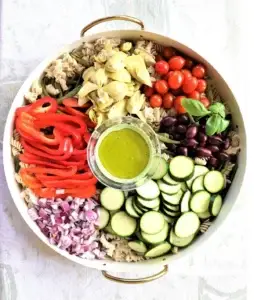
You can, but it works best with robust dressings. Oil-based sauces, pesto, or creamy dressings cling well to the ridges. Light vinaigrettes may slip off unless combined with vegetables or proteins that add texture.
Q: Is radiatori pasta suitable for creamy sauces?
Absolutely. Cream-based sauces settle into the grooves and pockets, ensuring even coating. Mushroom cream sauce, cheese sauces, and butter-based reductions all pair well with its shape.
Q: Can I make radiatori pasta at home?
Homemade radiators are possible, but they are not simple. The shape requires extrusion tools or specialty molds to accurately form the sharp ridges. Hand-rolled methods struggle to replicate their structure.
Q: What sauces work best with radiatori pasta?
It shines with thick, clingy sauces. Tomato ragù, creamy mushroom sauce, pesto, roasted vegetable blends, and meat-based ragù all perform exceptionally well because the pasta captures and holds flavor throughout each bite.
Q: Is radiatori pasta good for meal prep?
Yes. It reheats better than many lighter shapes. The sturdy build prevents it from turning mushy, making it a strong option for make-ahead meals and leftovers.
Q: Where can I find reliable cooking tutorials?
Professional demonstrations are available on trusted culinary platforms like Pasta Evangelists, along with high-quality YouTube tutorials that focus on sauce pairing, finishing techniques, and baked pasta methods.
Q: Is radiatori pasta traditionally Italian?
Yes. Radiatori is an Italian pasta shape inspired by industrial-era design. While it is not ancient, it was created to maximize sauce retention, which explains its popularity in modern Italian cooking.

Conclusion and Call to Action
It offers shape, structure, and flavor absorption, elevating simple meals. Its ruffled ridges hold sauces beautifully and create satisfying texture in every bite. Whether you prepare a quick one-pot dish, a Sicilian-inspired vegetable blend, or a slow-cooked ragù, radiatori pasta brings strong results.
If you enjoy exploring new pasta shapes, try radiatori in your next dish. Experiment with creamy sauces, roasted vegetables, nut-based pestos, or baked casseroles. With the proper technique and finish, your meals will feel rustic, rich, and comforting.

Syed Yasar Arafat is the founder of PastaLoverz.com and a food research enthusiast with a focused interest in pasta varieties, traditional Italian cuisine, and balanced eating. Through PastaLoverz.com, he publishes well-researched articles that explain pasta types, cooking methods, and nutritional considerations in clear, practical terms to help readers make informed food choices.
Pingback: Fregula Pasta: Amazing 7 Powerful Reasons to Love It
Pingback: Stelline Pasta: Amazing Ultimate Guide With 7 Key Tips