Ripiena Pasta: The Complete Guide to Italy’s Filled Classics
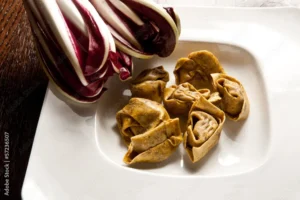
Ripiena pasta refers to Italy’s beloved filled pasta varieties such as Ravioli, Tortellini, and Agnolotti. The word “ripiena” means “stuffed” or “filled,” describing pasta that encloses flavorful ingredients like cheese, meat, vegetables, or herbs inside delicate sheets of dough.
Table of Contents
What Ripiena Pasta Actually Is
Ripiena pasta is any pasta shape that encloses a filling. Fillings vary based on region, season, and cooking tradition. For example, Piedmont uses roasted meats, while Emilia-Romagna prefers cheese-forward mixtures. Tuscany brings simplicity with ricotta and herbs.
History and Regional Roots
Stuffed pasta has deep roots in Italian cooking, and it likely developed as a smart way to turn small amounts of meat, cheese, herbs, or greens into something festive and filling. Some of the earliest written references to stuffed pasta appear in medieval-era Italian culinary writing, which shows that the idea of wrapping flavorful fillings in thin dough has been around for centuries. (Italy Segreta)
Over time, ripiena pasta stopped being just a special-occasion food and became a regional signature. Each area shaped the pasta differently, seasoned the filling with local ingredients, and served it with sauces that complemented the filling rather than covering it up.
A helpful way to understand the history of ripiena pasta is to look at what each region “optimized for.”
Piedmont: Agnolotti del plin
In Piedmont, cooks perfected small, pinched Agnolotti (the word plin refers to the pinch used to seal them). Traditionally, they used braised meat leftovers and served the pasta simply, often with butter or pan juices, so the filling stayed the star. (lacucinaitaliana.com)
Emilia-Romagna: tortellini in brodo
In Emilia-Romagna, Tortellini became closely tied to holiday and family traditions, especially when served in a clear, rich broth (in brodo). The dish is still strongly associated with seasonal meals and careful, handmade preparation. (lacucinaitaliana.com)
Tuscany: Tortelli and Ravioli traditions
In Tuscany’s Maremma area, large stuffed parcels (often called tortelli maremmani) commonly feature ricotta and greens, which reflects the region’s farm-style ingredient culture and love of simple, hearty fillings. (Bagno La Rotonda)
Lombardy: Casoncelli
In Lombardy, especially around Bergamo and Brescia, casoncelli developed as a distinctive local stuffed pasta. Food writers note that historical references date back centuries, and the traditional style often balances savory fillings with subtle sweetness, then finishes with butter and sage. (The Pasta Project)
Why regional variation matters
These differences are not random. They show how ripiena pasta evolved as a cultural expression. One region celebrates broth and delicacy, another celebrates leftover braises, and another leans into herbs, dairy, or rustic greens. When you understand the region behind the shape, you also understand the “why” behind the filling and the best sauce to serve with it.
Popular Ripiena Shapes
Here are some famous ripiena pasta varieties:
Agnolotti
A specialty from Piedmont made with roasted meat fillings. Please explore our complete guide: Agnolotti Pasta Guide.
Mezzaluna
A half-moon-shaped filled pasta known across central Italy.
Ravioli
The most globally recognized ripiena pasta.
Tortellini
Small, ring-shaped pasta associated with Bologna and Modena.
Cappelletti
Similar to Tortellini but folded differently, and common in northern Italy.
Traditional and Modern Fillings
Ripiena fillings range from rustic to refined.
Classic Fillings
- Roasted pork and veal
- Spinach and ricotta
- Cheese blends
- Braised meats
- Wild herbs
Modern Fillings
- Pumpkin and sage
- Goat cheese and beetroot
- Mushroom and truffle
- Seafood blends
For deeper pasta shape comparisons, see our guides:
Radiatori,
Casarecce,
Stelline,
Gemelli,
Testaroli,
Orzo.
How to Make Ripiena Dough
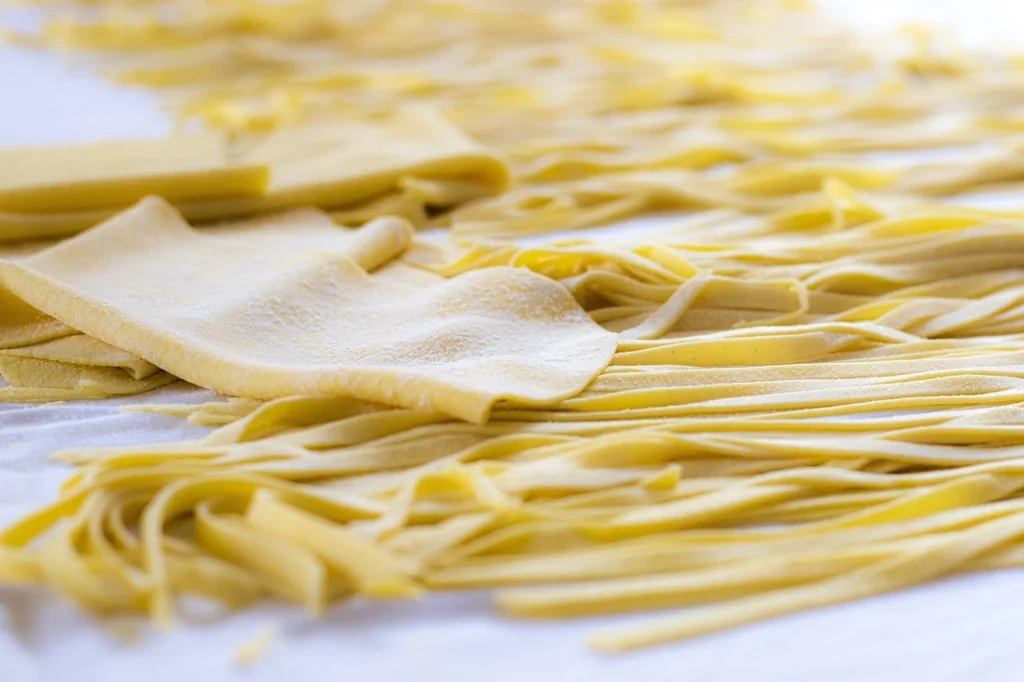
Ripiena pasta requires a firm yet elastic dough. The classic ratio is 100 grams of flour to 1 egg. Semolina is often added for extra strength.
Steps:
- Create a well in the flour.
- Add eggs and mix gradually.
- Knead until smooth.
- Rest for 30 to 45 minutes.
- Roll thinly to level 6 or 7 on a pasta machine.

Folding and Sealing Techniques
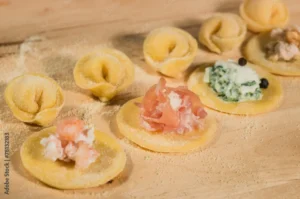
Each ripiena shape has a distinct folding style, but the techniques revolve around properly sealing the dough to avoid leaks.
General tips:
- Use minimal moisture when sealing.
- Remove all air pockets before closing.
- Use a clean knife or cutter for sharp edges.
- Chill-filled shapes before cooking.
How to Cook Ripiena Properly
It requires gentle cooking to avoid bursting.
Rules:
- Boil in salted water at a gentle simmer, not a rapid boil.
- Cook for 2–5 minutes, depending on thickness.
- Lift with a skimmer, not a strainer.
- Toss with sauce immediately to prevent sticking.
Pro tip: Reserve pasta water to adjust sauce consistency.
Best Sauces
Because ripiena fillings are already flavorful, sauces should be light and complementary.
Recommended Sauces
- Brown butter and sage
- Light tomato passata
- Brodo (broth)
- White wine and cream
- Pesto for herbal freshness
For classic inspirations, see Italian cooking authorities at Serious Eats or Giallo Zafferano.
Serving Ideas
Ripiena pasta works beautifully as:
- A festive main course
- A delicate starter served in broth
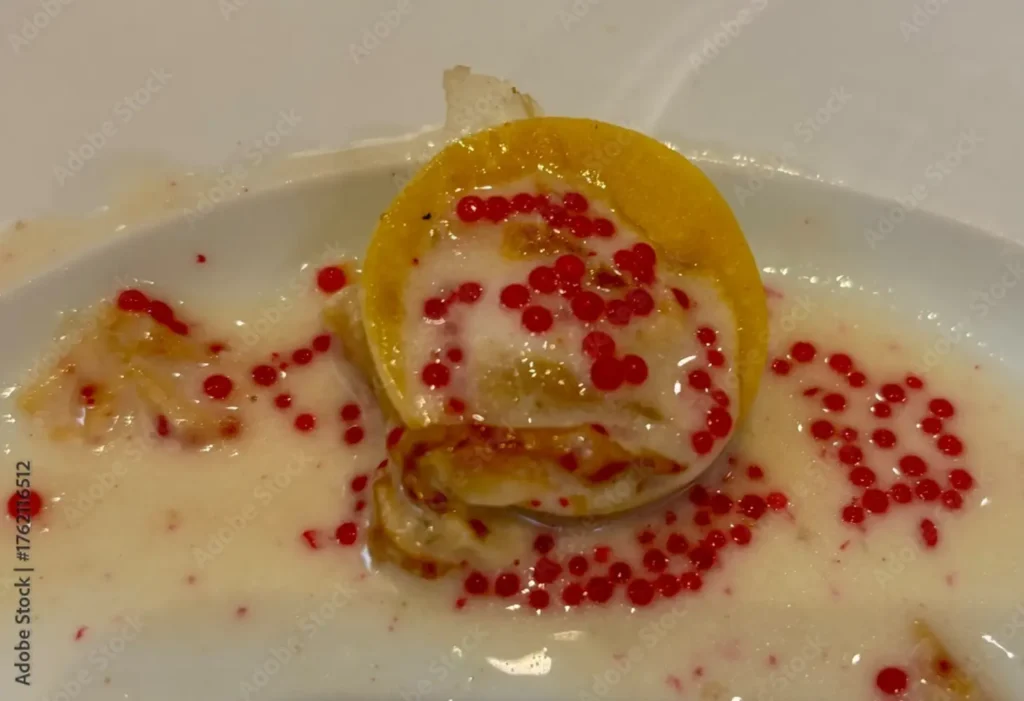
- A restaurant-style dish with minimal garnishes
- A rustic meal with butter and Parmesan
Final Thoughts
Ripiena pasta remains one of Italy’s most expressive culinary traditions because it brings together craft, regional identity, and comfort in a single bite. A thin sheet of dough protects a filling that gives the dish its real character, whether it’s cheese and herbs, slow-cooked meat, or seasonal greens.
What makes it unforgettable is how it teaches restraint. The best ripiena pasta does not rely on heavy sauce or extra toppings. It depends on good dough, a well-seasoned filling, and gentle cooking. When everything stays balanced, the flavor feels clean, rich, and complete.
If you cook it at home, start simple. Choose one shape, use a thick filling that seals easily, and keep the water at a calm simmer. If you taste it while traveling, pay attention to how the region serves it. Broth, butter, and sage, ragù, or a light tomato sauce usually reflect local tradition more than personal preference.
Keep exploring more shapes across Pasta Loverz to deepen your pasta knowledge. Start with other stuffed favorites like Tortellini, Agnolotti, and Cappelletti, then branch into the sauces and broths that make each one shine.
Call to action: Browse more pasta guides on Pasta Loverz and pick one new shape to learn this week. Your next “favorite pasta” might be the one you have not tried yet.

Syed Yasar Arafat is the founder of PastaLoverz.com and a food research enthusiast with a focused interest in pasta varieties, traditional Italian cuisine, and balanced eating. Through PastaLoverz.com, he publishes well-researched articles that explain pasta types, cooking methods, and nutritional considerations in clear, practical terms to help readers make informed food choices.