Delicious Tortiglioni Pasta: 9 Proven Secrets to Master the Perfect Twisted Tube
Tortiglioni pasta is a ridged, spiral-cut tube pasta known for its exceptional ability to hold sauce. Originating in Italy, this pasta shape features deep grooves and a twisted structure that traps rich sauces inside and along its surface. Because of this design, tortiglioni works beautifully with hearty tomato sauces, creamy preparations, and slow-cooked ragù.
What is Tortiglioni?
Tortiglioni are a short tube pasta defined by deep, spiral ridges that twist around the cylinder. The spiral gives the shape extra surface area and channels where sauce, bits of meat, and crumbs can lodge. That’s why it is a go-to when you want every forkful to carry texture and flavor.
Where it comes from
The name traces back to Latin roots, meaning to twist. The shape sits within the broader maccheroni family and appears in the product lines of many Italian and international makers. Traditional craft centers, especially around Campania and Gragnano, helped develop bronze-extruded methods that highlight texture. In a modern context, brands and culinary sites like Eataly and Barilla offer practical shape guides and pairing ideas.
How it is made: industrial vs artisanal
Two factors define quality: the extrusion die and the drying process. Bronze dies produce a rough, porous surface that captures sauce. Modern Teflon- or polished-die tubes are smoother, easier to make, and cheaper, but they are less permeable. Slow drying at lower temperatures preserves aroma and structure; high-speed drying sacrifices nuance for volume.
Artisanal producers often call out “bronze drawn” or “slow dried” on labels. If texture matters to you, that labeling is a clear signal.
Why the ridges matter: texture and sauce holding
The spiral grooves do two things: they trap sauce and break the surface, allowing emulsified dressings to cling. Chunky ragùs, textured pestos, and cheese-forward sauces all benefit from the increased friction. Unlike smooth tubes, Tortiglioni lets tiny morsels nestle in the spiral, creating a layered mouthfeel rather than a flat one.
Best sauces and dishes for Tortiglioni
Match Tortiglioni to sauces that need a bit of grip. Examples that work exceptionally well:
- Slow meat ragùs — beef, pork, or mixed ragùs that fill the grooves.
- Sausage and tomato — crumbled sausage, garlic, and crushed tomatoes tossed into the spiral.
- Chunky vegetable ragù — roasted eggplant, mushrooms, or winter squash.
- Pesto — chunkier pestos lodge in the grooves; silkier pestos coat the outside.
- Baked pasta dishes — Tortiglioni keeps its texture when baked into casseroles.
For reference and pairing inspiration, see manufacturer notes and guides from Barilla and artisanal producers like Afeltra.
Cooking Tortiglioni Perfectly Step by Step
Follow these steps for consistent, restaurant-style results.
1) Boil enough water
Bring a large pot of water to a rolling boil. Use 4–5 liters per 500 g of tortiglioni so the pasta can move freely and cook evenly.
2) Salt it properly
Salt the water generously until it tastes like the sea. This is your only chance to season the pasta itself, not just the sauce.
3) Add tortiglioni and stir immediately
Add the tortiglioni and stir right away for the first 20–30 seconds. This prevents sticking and keeps the spiral ridges from clumping together.
4) Cook to just under al dente
Cook until about 1 minute before the package time for al dente. Different brands vary, so start tasting around the 9–10 minute mark and adjust from there.
5) Reserve pasta water before draining
Scoop out at least 1 cup of starchy pasta water, then drain. This water is a key ingredient for a smooth, glossy sauce that clings to tortiglioni’s spiral grooves.
6) Finish the pasta in the sauce
Add the drained tortiglioni to your sauce over medium heat. Pour in pasta water a little at a time, tossing continuously. This helps you build a light emulsion and pushes sauce into the spiral ridges and inside the tubes.
7) Turn off the heat, then add cheese
Turn off the heat before adding grated cheese (if using). Toss until creamy and evenly coated. Adding cheese off the heat prevents clumping and keeps the texture silky.
8) Serve immediately
Plate while hot. Tortiglioni holds sauce well, but it thickens quickly as it cools. Add a final splash of pasta water if it tightens up.

9 Practical tips to master it
Short, tested pointers that matter in the kitchen.
- Choose bronze-extruded pasta where possible. The rough surface traps sauce better.
- Salt aggressively — pasta water seasons from the inside out.
- Reserve the pasta water — the starch binds sauces and lends gloss.
- Finish in the sauce for 60–90 seconds to marry the flavors and let the grooves fill.
- Under-cook slightly for baking so the oven doesn’t over-soften the tubes.
- Use textured ingredients (crumbled sausage, chunky veg) to exploit the spiral channels.
- Toast breadcrumbs and sprinkle on top for contrast in saucy dishes.
- Read labels for “100% durum wheat semolina,” “bronze drawn,” and “slow dried.”
- Don’t overcrowd the pan when finishing; the pasta needs room to toss and emulsify.
Substitutes and when to choose them
If it is unavailable, try these swaps depending on the dish:
- Rigatoni — parallel ridges, similar tube size. Great for ragùs.
- Elicoidali — spiraled shape closer to Tortiglioni; a solid visual and textural substitute.
- Paccheri or large penne — use when you want wider tubes for very chunky sauces.
Buying, reading labels, and storing
Store it dried in a cool, dry pantry. Unopened, it keeps for a year or more. When shopping, look for:
- 100% durum wheat semolina
- Bronze-drawn or bronze-extruded
- Slow-dried or low-temperature dried
- Origin notes (Gragnano is a helpful sign of traditional technique)
Economy brands work well for everyday cooking. Step up to artisanal bronze-cut shapes when texture will be the dish’s centerpiece.

Recipes to try
Quick weeknight: With sausage and cherry tomatoes
Brown crumbled sausage, add garlic and cherry tomatoes, finish with a splash of water, and toss with Tortiglioni. Finish with parsley and grated Pecorino.
Weekend slow-cook: Tortiglioni alla Genovese (onion and beef ragù)
Slow-cook beef with a large quantity of onions until the meat breaks down and the onions become sweet and silky. Toss generously with a Tortilla so the cheese lives in the spiral grooves. This long, patient sauce rewards time and low heat.
Baked: Tortiglioni al forno with spinach and ricotta
Undercook Tortiglioni by 1 minute, then mix with ricotta, blanched spinach, and marinara. Top with mozzarella and bake until bubbling and golden.
FAQ,s
Q: How long does tortiglioni take to cook?
Most dried tortiglioni cook in 11 to 13 minutes until al dente. Always taste near the lower end of the range. Bronze-extruded varieties may take slightly longer due to their thicker, rougher surface.
Q: Is tortiglioni the same as rigatoni?
No.It and rigatoni are related but different. Rigatoni has straight ridges running lengthwise, while tortiglioni features spiraled ridges that wrap around the tube, changing how sauce clings and how the pasta feels when eaten.
Q: Why do tortiglioni ridges spiral?
The spiral ridges result from the extrusion process and help the sauce travel around the tube rather than slide straight off. This creates a more even coating.
Q: What sauces work best with tortiglioni?
It pairs best with thick sauces such as meat ragù, sausage and tomato, baked cheese sauces, and hearty vegetable or mushroom sauces.
Q: Does tortiglioni hold sauce better than penne?
Yes. It usually holds sauce better than penne because it has both ridges and a wider tube, which traps sauce inside and along the spirals.
Q: Can I use it in baked pasta dishes?
Yes. It is excellent for baked pasta because it keeps its shape, resists collapsing, and absorbs sauce evenly during baking.
Q: Can it be used cold in pasta salad?
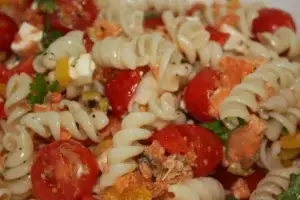
Yes. Tortiglioni works well in pasta salads because the spiral grooves hold dressing and small ingredients. Use slightly less dressing to avoid sogginess.
Q: Should it be rinsed after cooking?
No. Rinsing removes surface starch that helps the sauce adhere. Only rinse if preparing a cold pasta salad and cooling quickly.
Q: Is it good for creamy sauces?
Yes. Cream-based sauces coat tortiglioni evenly, while the spiral ridges prevent the sauce from pooling at the bottom of the dish.
Q: Why choose bronze-extruded?
Bronze extrusion creates a rough surface that grips sauce better. It also improves texture, making the pasta feel firmer and more satisfying.
Q: Is it egg-based?
No. Traditionally, it uses durum wheat semolina and water, making it naturally vegan.
Q: Is it suitable for vegetarian dishes?
Yes. It pairs well with roasted vegetables, legumes, mushrooms, and cheese-based sauces due to its sturdy structure.
Q: Does it overcook easily?
No. It is more forgiving than thinner pasta shapes, but overcooking will soften the ridges and reduce sauce retention.
Q: How muchof it should I serve per person?
A standard serving is 80–100 grams (dry) per person. Heavily sauced or baked dishes may require slightly less.
Q: Can it be used for meal prep?
Yes. It reheats well and maintains texture, making it suitable for leftovers and meal-prep dishes.
Q: Is it gluten-free?
Traditionaly it contains gluten, but gluten-free versions made from rice, corn, or legumes are widely available.
Call to action
Try it this week. Buy one bronze-extruded box, follow the finish-in-pan method, and treat the reserved pasta water like liquid gold. Want a printable, step-by-step Tortiglioni alla Genovese recipe (shopping list, timings, and photos)? Tell us, and we’ll prepare it for you.
References and further reading
Tomato and Basil Tortiglioni Recipe
- To know more, our valuable and informative chickpea pasta, Route pasta, and fusilli pasta Guides will help you

Syed Yasar Arafat is the founder of PastaLoverz.com and a food research enthusiast with a focused interest in pasta varieties, traditional Italian cuisine, and balanced eating. Through PastaLoverz.com, he publishes well-researched articles that explain pasta types, cooking methods, and nutritional considerations in clear, practical terms to help readers make informed food choices.