How to Cook Pasta Perfectly (Step-by-Step Guide)
Cook pasta perfectly with simple, proven techniques that deliver restaurant-quality results every time. If your pasta turns out sticky, bland, or overcooked, the problem is not the ingredients but the method. In this guide, you will learn exactly how to control water, salt, and timing for the ideal al dente texture. From choosing the right pot size to mastering boiling and stirring, each step matters. Whether you are cooking spaghetti, penne, or fresh pasta, these expert tips will help you achieve better flavor, texture, and consistency every time.
Table of Contents
- Introduction
- Step 1: Use a Large Pot and Plenty of Water
- Step 2: Salt the Water Generously
- Step 3: Bring to a Rolling Boil
- Step 4: Stir Immediately
- Step 5: Test for Al Dente
- Step 6: Save the Pasta Water
- Common Mistakes to Avoid
- FAQs
- Conclusion
Introduction
Cooking pasta seems simple, but there is a significant difference between a soggy bowl of noodles and a restaurant-quality dish. To understand how to cook pasta like a pro, you must master the fundamentals of water temperature, salinity, and timing.
The key lies in controlling a few critical factors: using enough water, salting it properly, maintaining a rolling boil, and cooking until perfectly al dente. Small mistakes like under-salting or overcrowding the pot can lead to bland or sticky pasta. When done right, pasta should have a firm bite, hold its shape, and allow sauces to cling effortlessly.
Whether you are preparing a quick weekday meal or refining your cooking skills, learning how to cook pasta correctly will improve every dish you make. This guide breaks down each step clearly so you can achieve consistent, high-quality results every time.
To cook pasta perfectly, bring a large pot of salted water to a rolling boil, add pasta, and stir immediately. Cook until al dente, usually 8 to 12 minutes for dried pasta. Use enough water to prevent sticking, avoid adding oil, and reserve some pasta water before draining to help sauces bind better.
| Element | Recommendation | Why It Matters |
|---|---|---|
| Water Amount | 4–6 quarts per pound | Prevents sticking and ensures even cooking |
| Salt Ratio | 1–2 tbsp per gallon | Enhances flavor from within |
| Boiling Level | Rolling boil | Keeps pasta moving and cooking evenly |
| Stirring | First 1–2 minutes | Stops clumping early |
| Cooking Time | 8–12 minutes (dried) | Achieves al dente texture |
| Fresh Pasta Time | 2–4 minutes | Cooks much faster than dried |
| Oil in Water | Not recommended | Prevents sauce from sticking |
| Rinsing Pasta | Avoid | Removes starch needed for sauce |
| Save Pasta Water | 1 cup before draining | Helps sauces bind better |
Step 1: Use a Large Pot and Plenty of Water
The first secret to cooking pasta effectively is space. Use a large stockpot filled with about 4 to 6 quarts of water per pound of pasta. According to the culinary experts at Barilla, using enough water prevents the pasta from sticking together by diluting the starch released during cooking.
Step 2: Salt the Water Generously
Don’t be afraid of the salt. The water should “taste like the sea.” As noted by the Academia Barilla, salt is the only way to season the pasta itself. Aim for roughly 1 to 2 tablespoons of kosher salt per gallon of water.
Step 3: Bring to a Rolling Boil
Before adding your noodles, ensure the water has reached a vigorous, rolling boil. If you add pasta too early, it will sit in lukewarm water and become gummy. Learning how to cook pasta requires patience with the heat.
Step 4: Stir Immediately
Once you drop the pasta in, stir it immediately. This is the most critical window to prevent clumping. If you want to know how to cook pasta without it turning into a solid mass, stirring during the first two minutes is key.
Step 5: Test for “Al Dente”
Follow the package instructions, but start tasting two minutes before the timer goes off. How to cook pasta perfectly usually means achieving an “al dente” texture, firm to the bite. Serious Eats suggests that pasta continues to cook slightly after draining, so pulling it out early is vital.
Step 6: Save the Pasta Water
Before draining, scoop out a cup of the starchy cooking water. This “liquid gold” is the secret to cooking pasta sauces that cling beautifully to the noodles.
Common Mistakes to Avoid
When researching how to cook pasta, many beginners ask: “Should I add oil to the water?” The answer is no. Oil prevents the sauce from sticking to the pasta. Additionally, never rinse your pasta after draining, as you’ll wash away the essential starches.
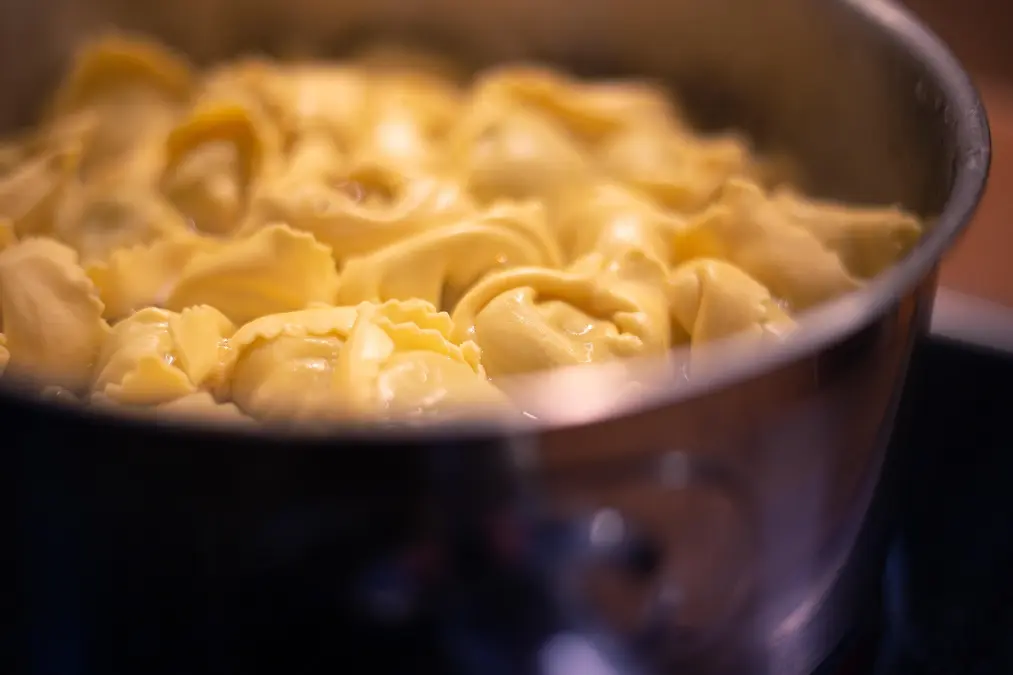
Understanding how to cook pasta involves recognizing that different shapes require different care. For instance, long strands like spaghetti need constant motion, while ridged shapes like penne are better at catching heavy sauces. Mastering pasta cooking also means knowing the difference between fresh and dried varieties; fresh pasta cooks in a fraction of the time.
If you are still wondering how to cook pasta without it becoming sticky, remember that high heat and plenty of water are your best friends. Once you’ve learned how to cook pasta this way, you’ll never go back to the basic “boil and dump” method. Practice makes perfect when learning how to cook pasta.
FAQs
How long does it take to cook pasta?
Most dried pasta takes between 8 and 12 minutes. Always check the package and start tasting early to ensure it doesn’t overcook.
For best results, cook until al dente, which means the pasta is firm to the bite. Fresh pasta cooks much faster, usually in 2 to 4 minutes, depending on thickness.
How much salt should I add to pasta water?
A good rule of thumb is 1-2 tablespoons per 4-6 quarts of water. Most of the salt stays in the water and does not enter your body.
The water should taste like the sea. Proper salting enhances the pasta’s flavor from within, making a noticeable difference even before adding sauce.
Why is my pasta sticky?
Pasta usually gets sticky if the pot is too small, there isn’t enough water, or you don’t stir it immediately after adding it to the boiling water.
To prevent this, use a large pot, bring to a rolling boil, and stir for the first 1 to 2 minutes. Avoid adding oil, as it does not stop sticking and can reduce sauce adhesion.
Should I add oil to pasta water?
No. Adding oil makes the pasta slippery, which prevents the sauce from adhering to the noodles.
Instead, focus on using enough water and stirring properly. These methods are far more effective for preventing clumping and improving texture.
Featured Snippet: How to Cook Pasta Perfectly
To cook pasta perfectly, bring a large pot of salted water to a rolling boil, add pasta, and stir immediately. Cook according to package instructions until al dente, usually 8 to 12 minutes for dried pasta. Reserve some pasta water before draining, and avoid adding oil or rinsing to ensure the sauce sticks properly.
What is the best water-to-pasta ratio?
Use about 4 to 6 quarts of water per pound of pasta. This prevents sticking and ensures even cooking.
Can I cook pasta without salt?
Yes, but it will taste bland. Salt is essential for enhancing the pasta’s natural flavor during cooking.
Should I rinse pasta after cooking?
No. Rinsing removes the starch that helps the sauce cling to the pasta. Only rinse when making cold pasta salads.
How do I know when pasta is al dente?
Taste it. Al dente pasta should be tender but still slightly firm in the center when bitten.
Why should I save pasta water?
Pasta water contains starch that helps thicken sauces and improve how they coat the noodles.
Can I cook pasta in advance and reheat it?
Yes, you can cook pasta in advance, but slightly undercook it by 1 to 2 minutes to prevent it from becoming mushy when reheated. Toss it lightly with a small amount of olive oil and store it in an airtight container. When ready to use, reheat it in hot water or directly in the sauce for the best texture.
What happens if I overcook pasta?
Overcooked pasta becomes soft and mushy, losing its structure. It also absorbs too much water, which can dilute the flavor and cause sauces to slide off rather than stick. To avoid this, always check for al dente texture a couple of minutes before the suggested cooking time ends.
Cooking Summary
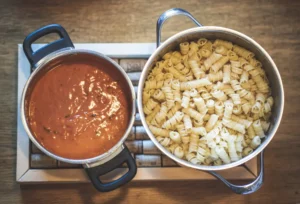
To cook pasta perfectly, use a large pot with 4 to 6 quarts of water per pound, add salt until the water tastes like the sea, and bring it to a rolling boil. Add pasta, stir immediately, and cook until al dente. For deeper guidance, see our [Pasta Cooking Methods] guide. Reserve some pasta water before draining, and avoid rinsing or adding oil to ensure the sauce sticks properly. Pair your results with the right [Pasta Sauces] and explore different [Pasta Shapes] to create perfectly balanced dishes every time. Further interested in Past History, our Pasta History Guide will be better informed about Pasta History.
Conclusion
Mastering how to cook pasta perfectly is a foundational skill that transforms everyday meals into restaurant-quality dishes. By using a large pot, salting your water correctly, maintaining a rolling boil, and cooking until al dente, you ensure better texture, flavor, and sauce absorption every time. Small details like stirring early and saving pasta water make a noticeable difference in the final result.
Once you understand how to cook pasta the right way, you gain full control over your dish. Whether you are preparing a quick weeknight meal or a more refined recipe, these techniques help you achieve consistent, high-quality results.
Ready to level up your kitchen game? Check out our guide to the Best Homemade Pasta Sauces to complete your meal and build perfectly balanced pasta dishes every time.

Syed Yasar Arafat is the founder of PastaLoverz.com and a food research enthusiast with a focused interest in pasta varieties, traditional Italian cuisine, and balanced eating. Through PastaLoverz.com, he publishes well-researched articles that explain pasta types, cooking methods, and nutritional considerations in clear, practical terms to help readers make informed food choices.