The Global Journey of Grain: A Comprehensive Pasta History
From the sun-drenched wheat fields of Sicily to the bustling dinner tables of New York and Tokyo, the story of pasta is much more than a culinary timeline; it is a narrative of human migration, industrial innovation, and cultural fusion. To understand pasta history, one must look beyond the boiling pot and into the ancient trade routes that connected the East and the West.
Myths and Ancient Roots: Where Did It Truly Begin?
One of the most enduring legends in the world of food is that Marco Polo “discovered” pasta in China and brought it back to Venice in 1295. While a charming story, most historians agree that this is a myth. While China holds the record for the oldest noodles ever discovered—4,000-year-old millet noodles found at the Lajia archaeological site—the pasta history of the Mediterranean followed a distinct, independent evolutionary path using durum wheat.
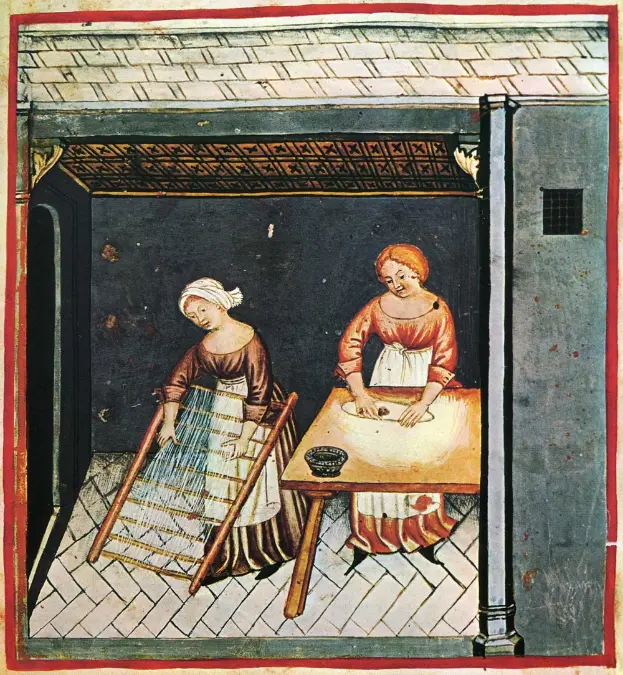
Before the Romans, the Etruscans in Central Italy were already depicting tools that resemble pasta-making equipment in their tombs. However, the real precursor to modern Italian pasta was the Greek and Roman lagana. While these weren’t “boiled” like the penne we eat today, they laid the foundational architecture for what would eventually become lasagna in the broader context of pasta history.
The Arab Influence: The Birth of Dry Pasta
The most pivotal moment in pasta history occurred during the Arab occupation of Sicily in the 9th and 10th centuries. Arab traders required a food source that was lightweight and shelf-stable for long voyages. They introduced “itriyya,” a dried string-like dough made from durum wheat.
By the 12th Century, the Arab geographer Al-Idrisi recorded that a flour-based food in the shape of threads was being manufactured on a massive scale in Trabia, Sicily. This was a revolutionary development in pasta history because it marked the transition from “fresh” pasta to “dry” pasta, which could be exported and traded across the Mediterranean.
The Neapolitan Revolution and the “Macaroni Eaters”
While Sicily birthed the product, Naples turned it into a cultural icon. Until the 17th Century, pasta was often considered a luxury. However, a series of economic shifts led to a decline in meat availability, making grain-based staples essential.
This period in pasta history saw the Neapolitan people transition from being known as “leaf-eaters” to “macaroni-eaters” (mangiamaccheroni). Simultaneously, the introduction of the tomato from the Americas provided the “perfect marriage” for the dish. The first recorded recipe for pasta with tomato sauce appeared in 1839, a landmark moment in the history of pasta.
The Industrial Revolution: Globalizing the Grain
The 19th and early 20th centuries transformed pasta from a regional craft into a global industry. The Industrial Revolution brought about hydraulic presses and sophisticated drying rooms. As millions of Italians emigrated to the Americas, they brought their traditions with them. This wave of migration is a cornerstone of pasta history, leading to the creation of “Italian-American” staples like Spaghetti and Meatballs.
Evolution of Shapes: Art Meets Engineering
The sheer variety of pasta shapes—over 600 documented types—is a testament to the ingenuity found throughout pasta history. Each shape was designed with a specific functional purpose, reflecting the Italian philosophy that the sauce and the shape must exist in a perfect, harmonious balance.
Pasta history is deeply rooted in global cultural exchange, evolving through centuries of innovation and tradition. According to Encyclopaedia Britannica, pasta developed independently in the Mediterranean using durum wheat, while the National Pasta Association highlights the critical role of Arab traders in introducing techniques for drying pasta. Modern culinary experts at Barilla emphasize how pasta shapes and sauces are designed to complement each other for optimal flavor. To better understand how these traditions apply today, explore our detailed guides on pasta cooking methods, pasta sauces, and pasta shapes, which offer practical insights that connect historical knowledge with everyday cooking.
Featured Snippet Cluster 1: Core Definition & Origin
What is the origin of pasta?
Pasta originated in the Mediterranean region, where ancient civilizations such as the Greeks and Romans prepared early forms, such as lagana. Although noodles were known in China earlier, Italian pasta developed independently using durum wheat, laying the foundation for modern pasta.
Who invented pasta?
Pasta was not invented by a single person. It evolved over centuries, with major contributions from Arab traders who introduced dried pasta in Sicily during the 9th Century.
What is the oldest type of pasta?
Lagana is one of the oldest known types of pasta. It was used in ancient Greek and Roman cuisine and is considered an early version of modern lasagna.
Featured Snippet Cluster 2: Pasta vs Noodles
What is the difference between pasta and noodles?
Pasta is made from durum wheat and is central to Italian cuisine, while noodles can be made from rice, wheat, or starches and are common in Asian cooking. Both developed independently in different regions.
Are pasta and noodles the same thing?
No, pasta and noodles are not the same. They differ in ingredients, preparation methods, and cultural origins, although both are types of dough-based foods.
Featured Snippet Cluster 3: Key Historical Turning Points
Did Marco Polo bring pasta to Italy?
No, Marco Polo did not bring pasta to Italy. Pasta already existed in Italy before his journey to China, making this a popular myth.
When was dry pasta invented?
Dry pasta was invented in Sicily during the 9th and 10th centuries under Arab influence. It was designed for long storage and travel.
When was pasta first served with tomato sauce?
The first recorded recipe for pasta with tomato sauce appeared in 1839, marking a major milestone in Italian cuisine.
Featured Snippet Cluster 4: Global Spread & Popularity
How did pasta spread around the world?
Pasta spread globally through Italian migration in the 19th and early 20th centuries. Immigrants introduced pasta dishes to countries like the United States.
When did pasta become popular worldwide?
Pasta became widely popular during the Industrial Revolution and mass migration, which helped transform it into a global staple.
Featured Snippet Cluster 5: Shapes, Design, and Function
How many types of pasta are there?
There are over 600 types of pasta, each designed to pair with specific sauces and cooking styles.
Why are there so many pasta shapes?
Different pasta shapes are designed to hold different sauces. This improves texture, flavor distribution, and overall eating experience.
Featured Snippet Cluster 6: Nutrition & Ingredients
Why is durum wheat used for pasta?
Durum wheat is used because it has high protein and gluten content, which gives pasta its firm texture and ability to hold shape during cooking.
Is pasta healthy or unhealthy?
Pasta is healthy when eaten in moderation and paired with vegetables, lean proteins, and healthy fats.
Is pasta part of the Mediterranean diet?
Yes, pasta is a key part of the Mediterranean diet and is typically served with nutrient-rich ingredients like olive oil and vegetables.
Featured Snippet Cluster 7: Modern Trends & Future
How has pasta changed over time?
Pasta has evolved from handmade dough to industrial production, and now includes healthier options such as whole-wheat and gluten-free varieties.
What are ancient grains in pasta?
Ancient grains such as spelt, einkorn, and farro are traditional wheat varieties now used for their nutritional value and sustainability.
What is the future of pasta?
The future of pasta focuses on sustainability, healthier ingredients, and innovative production methods.
Why did pasta become a staple food in Italy?
Pasta became a staple food in Italy because it was affordable, easy to store, and simple to prepare. During periods of economic hardship, especially in cities like Naples, meat became scarce, and pasta provided a reliable, filling alternative that could feed large populations efficiently.
Why is pasta associated with Italian cuisine?
Pasta is associated with Italian cuisine because it was developed, refined, and widely popularized in Italy over centuries. Regions like Sicily and Naples played a key role in advancing the production of dried pasta and its pairing with sauces, making it a central part of Italian culinary identity.

Conclusion
The enduring legacy of pasta history teaches us that food is never just sustenance; it is a traveler’s diary and a bridge between civilizations. The next time you twirl a forkful of spaghetti, remember that you are participating in a pasta history that spans over a thousand years.
This journey through pasta history also reveals how deeply food connects people across time and geography. From ancient grains cultivated in early civilizations to the refined pasta-making techniques of Italy, every stage reflects adaptation, survival, and creativity. Pasta has evolved alongside human progress, shaped by trade, migration, and cultural exchange.
Today, pasta remains a global staple, not only for its simplicity and versatility but also for its ability to bring people together. Whether it is a traditional family recipe passed down through generations or a modern fusion dish, pasta remains a symbol of comfort, culture, and shared experience.
As we look ahead, pasta history is still being written. With growing interest in sustainability, healthier ingredients, and artisanal methods, the future of pasta reflects both innovation and a return to its roots. Understanding this history allows us to appreciate every dish more deeply, turning a simple meal into a meaningful connection with the past.

Syed Yasar Arafat is the founder of PastaLoverz.com and a food research enthusiast with a focused interest in pasta varieties, traditional Italian cuisine, and balanced eating. Through PastaLoverz.com, he publishes well-researched articles that explain pasta types, cooking methods, and nutritional considerations in clear, practical terms to help readers make informed food choices.