Alt='' Pasta Sauces

Best Pasta Sauces Guide: 15 Powerful Classics You Must Know

Pasta Sauces: 15 Classic Italian Sauces Explained

Pasta sauces are the foundation of authentic Italian cooking.
Pasta sauces define the flavor, texture, and overall experience of every pasta dish. From light olive oil blends to rich meat-based classics, choosing the right sauce transforms simple pasta into a balanced, restaurant-quality meal.
Understanding how pasta sauces work helps you cook with confidence and cr
eate dishes that are Italian.at taste truly
Table of Contents
1. What Are Pasta Sauces
2. Types of Pasta Sauces
3. 15 Classic Pasta Sauces Explained
4. How to Pair Pasta Sauces with Shapes
5. Common Mistakes to Avoid
6. Expert Cooking Tips
7:FAQs
8. Conclusion
9. Call to Action

What Are Pasta Sauces

Pasta sauces are flavor-rich mixtures made to coat, complement, or bind pasta. Each sauce type serves a purpose based on texture, ingredients, and cooking method.

In Italian cuisine, sauces are not random. They are carefully matched with pasta shapes to create balance in every bite.

Types of Pasta Sauces

 Tomato-Based Sauces

These are fresh, acidic, and versatile.
Examples:
Marinara
Pomodoro
Arrabbiata
Best for: spaghetti, penne

Cream-Based Sauces

Rich and smooth with a velvety texture.
Examples:
Alfredo
Carbonara
Best for: fettuccine, linguine

Oil-Based Sauces

Light and simple, highlighting ingredients.

Examples:

Aglio e Olio

Garlic and olive oil

 Meat-Based Sauces

Hearty and slow-cooked.

Examples:

Bolognese

Ragù

Best for: tagliatelle, rigatoni

Pesto and Herb Sauces

Fresh, aromatic, and vibrant

Fresh, aromatic, and vibrant.
Examples:
Basil Pesto
Spinach Pesto
Best for: trofie, fusilli
Pasta Sauces

 15 Classic Pasta Sauces Explained

H3: 1. Marinara Sauce

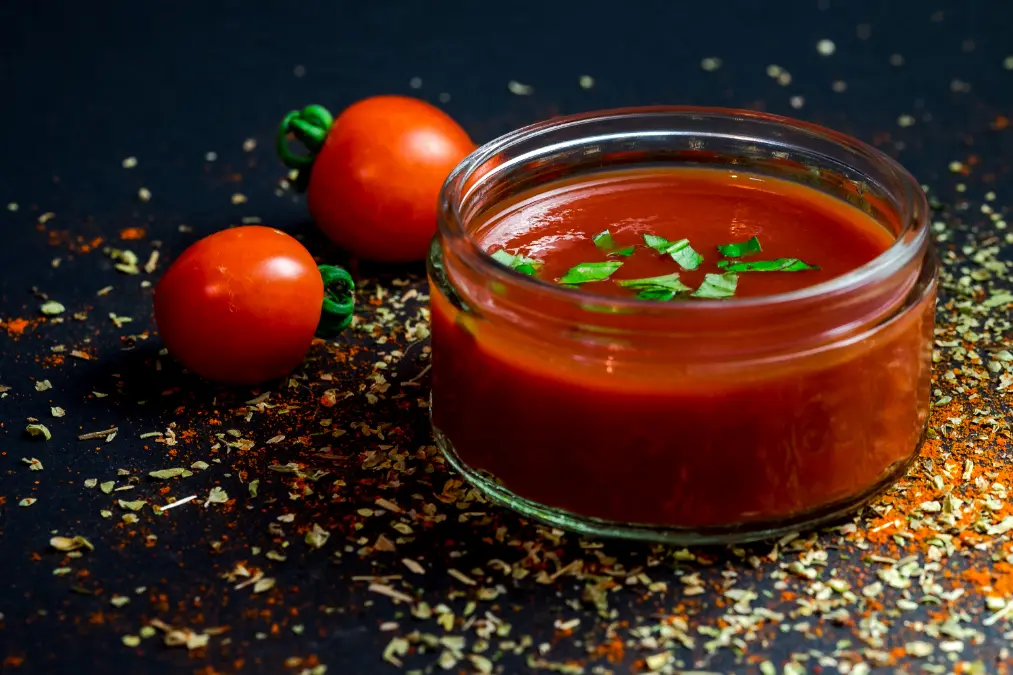
A simple tomato-based sauce with garlic, olive oil, and herbs. It is light, fresh, and quick to prepare.

 2. Pomodoro Sauce

Smooth and refined, made with ripe tomatoes and olive oil. It focuses on natural sweetness.

 3. Arrabbiata Sauce

A spicy tomato sauce with chili flakes. It adds heat without overpowering flavor.

 4. Alfredo Sauce

A creamy sauce made with butter and cheese. Authentic versions avoid heavy cream.

 5. Carbonara Sauce

Made with eggs, cheese, and cured meat. It creates a silky coating without cream.

 6. Bolognese Sauce

A slow-cooked meat sauce with tomatoes, milk, and aromatics. Rich and deeply flavorful.

 7. Pesto Genovese

A fresh blend of basil, garlic, pine nuts, olive oil, and cheese.

 8. Aglio e Olio

A simple mix of garlic and olive oil. Minimal ingredients, maximum flavor.

 9. Ragù

A broad category of meat-based sauces, often slow-cooked for depth.

 10. Vodka Sauce

A creamy tomato sauce with a subtle sharpness from vodka.

 11. Amatriciana

Tomato-based with cured pork and cheese. Bold and savory.

 12. Puttanesca

Made with olives, capers, and anchovies. Strong and salty flavor profile.

 13. Mushroom Sauce

Earthy and rich, often cream or butter-based.

H3: 14. Garlic Butter Sauce

Simple and comforting with butter and garlic.

 15. Seafood Sauce

Light tomato or oil-based sauce with shrimp, clams, or fish.
Alt='' Pasta Sauces

 How to Pair Pasta Sauces with Shapes

Matching pasta sauces with shapes improves texture and flavor.
Long pasta works best with smooth sauces
Tube pasta holds thick sauces
Twisted pasta traps pesto and oils
Filled pasta pairs with light sauces

 Common Mistakes to Avoid

Using too much sauce
Overcooking pasta
Not salting water properly
Mixing heavy sauces with delicate pasta
Adding sauce after plating instead of combining in pan

 Expert Cooking Tips

Always reserve pasta water for better sauce binding
Finish cooking the pasta in the sauce
Use high-quality olive oil
Keep sauces simple for authentic flavor
Balance acidity, salt, and fat
Alt='' Pasta Sauces

FAQ,s

Q: What is the most popular pasta sauce?
Marinara is one of the most popular pasta sauces due to its simplicity and versatility.
Which pasta sauce is healthiest?
Oil-based sauces like aglio e olio are lighter and lower in calories compared to cream-based sauces.
Q: Can you mix different pasta sauces?
Yes, but balance flavors carefully. For example, mixing tomato and cream creates a rich hybrid sauce.
Q: Why does pasta taste better with the right sauce?
Because texture and sauce consistency affect how flavor coats the pasta.

Q: What is the most popular pasta sauce?
Marinara is one of the most popular pasta sauces because it is simple, versatile, and pairs well with many pasta shapes.
Q: Which pasta sauce is healthiest?
Oil-based pasta sauces like aglio e olio are generally healthier because they use fewer ingredients and contain less fat than cream-based sauces.
Q: Can you mix different pasta sauces?
Yes, you can mix pasta sauces. A common example is combining tomato and cream to create a rich and balanced flavor.
Q: Why does pasta taste better with the right sauce?
Pasta tastes better with the right sauce because the texture and consistency allow the sauce to coat the pasta evenly, enhancing flavor in every bite.
Q: Should pasta be mixed with sauce before serving?
Yes, mixing pasta with sauce before serving helps the sauce bind properly and improves overall taste and texture.
Q: What pasta sauce goes with spaghetti?
Spaghetti pairs best with smooth sauces like marinara, pomodoro, aglio e olio, and carbonara because they coat long strands evenly.
Q: What pasta sauce goes with penne?
Penne works well with thicker sauces like arrabbiata, vodka, and creamy tomato because the tube shape holds the sauce.
Q: What is the difference between marinara and pomodoro sauce?
Marinara is a quick, garlic-heavy tomato sauce, while pomodoro is smoother, slightly sweeter, and emphasizes tomato flavor.
Q: Is Alfredo sauce authentic Italian?
Traditional Alfredo sauce in Italy is made with butter and cheese only. The cream-based version is popular in American-Italian cuisine.
Q: What is the best pasta sauce for weight loss?
Light sauces, such as tomato- or olive oil-based sauces, are better for weight loss than heavy cream sauces.
Q: Can you use pasta water in a sauce?
Yes, pasta water helps thicken the sauce and allows it to stick better to the pasta due to its starch content.
Q: Why do chefs finish pasta in the sauce?
Chefs finish pasta in the sauce to help it absorb flavor and create a smoother, more cohesive dish.
Q: What sauce is best for rigatoni?
Rigatoni pairs best with thick, hearty sauces like Bolognese or ragù because its ridges hold more sauce.
Q: How much sauce should you use for pasta?
Use enough sauce to lightly coat the pasta, not drown it. The goal is balance, not excess.
Q: Can you reheat pasta with sauce?
Yes, but add a little water or extra sauce when reheating to prevent it from drying out.
Q: What are the 5 basic Italian pasta sauces?
The five basic types are tomato-based, cream-based, oil-based, meat-based, and pesto.
Q: Why is my pasta sauce too watery?
Pasta sauce becomes watery if it is not simmered long enough or if too much liquid is added.
Q: Can you freeze pasta sauce?
Yes, most pasta sauces freeze well, especially tomato and meat-based sauces.
Q: What herbs are best for pasta sauces?
Common herbs include basil, oregano, parsley, and thyme, depending on the type of sauce.
What is the secret to a good pasta sauce?
The secret is using quality ingredients, balancing flavors, and cooking the sauce properly to develop depth.
Q: Should pasta be mixed with sauce before serving?
Yes. Mixing pasta with sauce ensures even coating and better flavor absorption
Pasta sauces are central to authentic Italian cooking because they determine how flavor, texture, and aroma come together in a dish. According to Serious Eats, properly combining pasta with sauce in the pan allows starches and fat to emulsify, creating a smoother, more cohesive dish. Traditional Italian sources likeLa Cucina Italiana emphasizes that each sauce is designed for a specific pasta shape to maximize flavor absorption. Even foundational references such as Britannica.com and Encyclopaedia Britannica highlight how regional diversity influences sauce ingredients and preparation techniques. For a deeper understanding of how sauce selection impacts your dish, explore our internal guide, pasta-shapes-guide, and learn how to create perfectly balanced pasta meals every time.

 Conclusion

Pasta sauces are essential to creating authentic Italian dishes. Each sauce brings its own balance of flavor, texture, and richness, shaping how the dish is experienced.
When you understand how pasta sauces work and how to pair them with the right pasta shapes, you gain more control over your cooking. You start to notice how small choices, like sauce consistency or ingredient quality, can completely change the final result.
Italian cooking is built on simplicity and precision. By mastering a few classic pasta sauces, you can recreate restaurant-quality meals at home with confidence. In the end, great pasta is not about complexity. It is about choosing the right combination and letting the ingredients shine.

Call to Action

Ready to take your pasta skills to the next level?

Explore more expert guides on PastaLoverz to learn about traditional pasta shapes, authentic cooking techniques, and perfect sauce pairings. Whether you are a beginner or looking to refine your skills, you will find practical tips that help you cook better every day.

Start exploring now and turn your everyday pasta dishes into authentic Italian experiences.

.



Pasta sauces are central to authentic Italian cooking because they determine how flavor, texture, and aroma come together in a dish. According to Serious Eats, properly combining pasta with sauce in the pan allows starches and fat to emulsify, creating a smoother, more cohesive dish. Traditional Italian sources likeLa Cucina Italiana emphasizes that each sauce is designed for a specific pasta shape to maximize flavor absorption. Even foundational references such as Britannica.com and Encyclopaedia Britannica highlight how regional diversity influences sauce ingredients and preparation techniques. For a deeper understanding of how sauce selection impacts your dish, explore our internal guide, pasta-shapes-guide, and learn how to create perfectly balanced pasta meals every time.

 Conclusion

Pasta sauces are essential to creating authentic Italian dishes. Each sauce brings its own balance of flavor, texture, and richness, shaping how the dish is experienced.
When you understand how pasta sauces work and how to pair them with the right pasta shapes, you gain more control over your cooking. You start to notice how small choices, like sauce consistency or ingredient quality, can completely change the final result.
Italian cooking is built on simplicity and precision. By mastering a few classic pasta sauces, you can recreate restaurant-quality meals at home with confidence. In the end, great pasta is not about complexity. It is about choosing the right combination and letting the ingredients shine.

Call to Action

Ready to take your pasta skills to the next level?

Explore more expert guides on PastaLoverz to learn about traditional pasta shapes, authentic cooking techniques, and perfect sauce pairings. Whether you are a beginner or looking to refine your skills, you will find practical tips that help you cook better every day.

Start exploring now and turn your everyday pasta dishes into authentic Italian experiences.

.


Leave a Comment

Your email address will not be published. Required fields are marked *

Scroll to Top