Pasta sauces are the foundation of authentic Italian cooking.
Pasta sauces define the flavor, texture, and overall experience of every pasta dish. From light olive oil blends to rich meat-based classics, choosing the right sauce transforms simple pasta into a balanced, restaurant-quality meal.
Understanding how pasta sauces work helps you cook with confidence and cr
eate dishes that are Italian.at taste truly.

What Are Pasta Sauces?

Pasta sauces are flavor-rich mixtures made to coat, complement, or bind pasta. Each sauce type serves a purpose based on texture, ingredients, and cooking method.

In Italian cuisine, sauces are not random. They are carefully matched with pasta shapes to create balance in every bite.

Types of Pasta Sauces

 Tomato-Based Sauces

These are fresh, acidic, and versatile.
Examples:
Marinara
Pomodoro
Arrabbiata
Best for: spaghetti, penne

Cream-Based Sauces

Rich and smooth with a velvety texture.
Examples:
Alfredo
Carbonara
Best for: fettuccine, linguine

Oil-Based Sauces

Light and simple, highlighting ingredients.

Examples:

Aglio e Olio

Garlic and olive oil

 Meat-Based Sauces

Hearty and slow-cooked.

Examples:

Bolognese

RagĂą

Best for: tagliatelle, rigatoni

Pesto and Herb Sauces

Fresh, aromatic, and vibrant
Fresh, aromatic, and vibrant.
Examples:
Basil Pesto
Spinach Pesto
Best for: trofie, fusilli
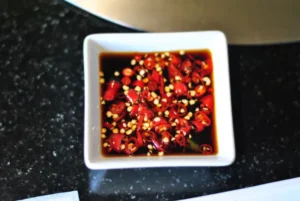
Crushed red chili flakes in a white bowl, a key ingredient for spicy Arrabbiata pasta sauces.

 15 Classic Pasta Sauces Explained

 1. Marinara Sauce

A simple tomato-based sauce with garlic, olive oil, and herbs. It is light, fresh, and quick to prepare.

 2. Pomodoro Sauce

Smooth and refined, made with ripe tomatoes and olive oil. It focuses on natural sweetness.

 3. Arrabbiata Sauce

A spicy tomato sauce with chili flakes. It adds heat without overpowering flavor.

 4. Alfredo Sauce

A creamy sauce made with butter and cheese. Authentic versions avoid heavy cream.

 5. Carbonara Sauce

Made with eggs, cheese, and cured meat. It creates a silky coating without cream.

 6. Bolognese Sauce

A slow-cooked meat sauce with tomatoes, milk, and aromatics. Rich and deeply flavorful.

 7. Pesto Genovese

A fresh blend of basil, garlic, pine nuts, olive oil, and cheese.

 8. Aglio e Olio

A simple mix of garlic and olive oil. Minimal ingredients, maximum flavor.

 9. Ragù

A broad category of meat-based sauces, often slow-cooked for depth.

 10. Vodka Sauce

A creamy tomato sauce with a subtle sharpness from vodka.

 11. Amatriciana

Tomato-based with cured pork and cheese. Bold and savory.

 12. Puttanesca

Made with olives, capers, and anchovies. Strong and salty flavor profile.

 13. Mushroom Sauce

Earthy and rich, often cream or butter-based.

 14. Garlic Butter Sauce

Simple and comforting with butter and garlic.

 15. Seafood Sauce

Light tomato or oil-based sauce with shrimp, clams, or fish.
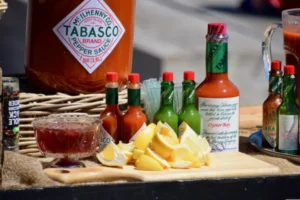
Ingredients for spicy seafood pasta sauces including fresh lemon wedges and hot pepper sauce on a rustic display.

16. How to Pair Pasta Sauces with Shapes?

Matching pasta sauces with shapes improves texture and flavor.
Long pasta works best with smooth sauces
Tube pasta holds thick sauces
Twisted pasta traps Pesto and oils
Filled pasta pairs with light sauces

 Common Mistakes to Avoid

Using too much sauce
Overcooking pasta
Not salting water properly
Mixing heavy sauces with delicate pasta
Adding sauce after plating instead of combining in the pan

17. Expert Cooking Tips

Always reserve pasta water for better sauce binding
Finish cooking the pasta in the sauce
Use high-quality olive oil
Keep sauces simple for authentic flavor
Balance acidity, salt, and fat
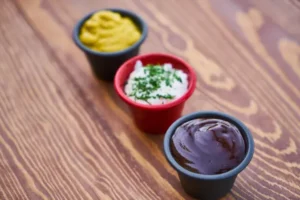
Three small bowls of different pasta sauces, including pesto and tomato, served on a wooden table.
Quick Comparison: The 5 Main Pasta Sauce Categories
Sauce CategoryPrimary BaseSignature TextureBest Pasta Shape Pairing
Tomato-BasedSan Marzano TomatoesAcidic & BrightSpaghetti, Penne, Rigatoni
Cream-BasedButter, Cheese, CreamRich & VelvetyFettuccine, Linguine
Oil-BasedExtra Virgin Olive OilLight & SilkySpaghetti, Angel Hair
Meat-BasedBeef, Pork, or VealHearty & ThickTagliatelle, Pappardelle
Pesto / HerbFresh Basil & NutsChunky & AromaticFusilli, Trofie, Gnocchi

18. FAQ,s

Q: What is the most popular pasta sauce?
Marinara is one of the most popular pasta sauces due to its simplicity and versatility.
Which pasta sauce is healthiest?
Oil-based sauces like aglio e olio are lighter and lower in calories compared to cream-based sauces.
Q: Can you mix different pasta sauces?
Yes, but balance flavors carefully. For example, mixing tomato and cream creates a rich hybrid sauce.
Q: Why does pasta taste better with the right sauce?
Because texture and sauce consistency affect how flavor coats the pasta.
Q: What is the most popular pasta sauce?
Marinara is one of the most popular pasta sauces because it is simple, versatile, and pairs well with many pasta shapes.
Q: Which pasta sauce is healthiest?
Oil-based pasta sauces like aglio e olio are generally healthier because they use fewer ingredients and contain less fat than cream-based sauces.
Q: Can you mix different pasta sauces?
Yes, you can mix pasta sauces. A common example is combining tomato and cream to create a rich and balanced flavor.
Q: Why does pasta taste better with the right sauce?
Pasta tastes better with the right sauce because the texture and consistency allow the sauce to coat the pasta evenly, enhancing flavor in every bite.
An authentic Italian market display of traditional artisanal ingredients, perfectly capturing the culinary heritage behind the 4 classic Roman pastas.
Q: Should pasta be mixed with sauce before serving?
Yes, mixing pasta with sauce before serving helps the sauce bind properly and improves overall taste and texture.
Q: What pasta sauce goes with spaghetti?
Spaghetti pairs best with smooth sauces like marinara, pomodoro, aglio e olio, and Carbonara because they coat long strands evenly.
Q: What pasta sauce goes with penne?
Penne works well with thicker sauces like arrabbiata, vodka, and creamy tomato because the tube shape holds the sauce.
Q: What is the difference between marinara and pomodoro sauce?
Marinara is a quick, garlic-heavy tomato sauce, while pomodoro is smoother, slightly sweeter, and emphasizes tomato flavor.
Q: Is Alfredo sauce authentic Italian?
Traditional Alfredo sauce in Italy is made with butter and cheese only. The cream-based version is popular in American-Italian cuisine.
Q: What is the best pasta sauce for weight loss?
Light sauces, such as tomato- or olive oil-based sauces, are better for weight loss than heavy cream sauces.
Q: Can you use pasta water in a sauce?
Yes, pasta water helps thicken the sauce and allows it to stick better to the pasta due to its starch content.
Q: Why do chefs finish pasta in the sauce?
Chefs finish pasta in the sauce to help it absorb flavor and create a smoother, more cohesive dish.
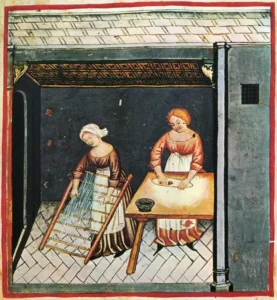
The 4 classic Roman pastas are deeply rooted in Italian culinary history, as shown in this ancient medieval illustration of traditional pasta making in a historic kitchen.
Q: What sauce is best for rigatoni?
Rigatoni pairs best with thick, hearty sauces like Bolognese or ragĂą because its ridges hold more sauce.
Q: How much sauce should you use for pasta?
Use enough sauce to lightly coat the pasta, not drown it. The goal is balance, not excess.
Q: Can you reheat pasta with sauce?
Yes, but add a little water or extra sauce when reheating to prevent it from drying out
Q: What are the 5 basic Italian pasta sauces?
The five basic types are tomato-based, cream-based, oil-based, meat-based, and Pesto.
Q: Why is my pasta sauce too watery?
Pasta sauce becomes watery if it is not simmered long enough or if too much liquid is added.
Q: Can you freeze pasta sauce?
Yes, most pasta sauces freeze well, especially tomato and meat-based sauces.
Q: What herbs are best for pasta sauces?
Common herbs include basil, oregano, parsley, and thyme, depending on the type of sauce.
What is the secret to a good pasta sauce?
The secret is using quality ingredients, balancing flavors, and cooking the sauce properly to develop depth.
Q: Should pasta be mixed with sauce before serving?
Yes. Mixing pasta with sauce ensures even coating and better flavor absorption.

Q: Why does my homemade tomato sauce taste too acidic, and how do I fix it?

The sharp, overly acidic punch in homemade tomato-based pasta sauces is usually caused by using underripe tomatoes or specific brands of canned San Marzano tomatoes that have a low natural sugar content.

Instead of dumping processed white sugar into the pan—which can make the sauce taste artificial—try these professional kitchen fixes:

  • The Carotene Sweetener: Grate a finely minced carrot into your aromatic base (soffritto) at the very beginning. The natural sugars in the carrot melt into the tomatoes, neutralizing the harsh acidity completely naturally.

  • The Baking Soda Trick: Stir in a microscopic pinch (less than $1/8$ of a teaspoon) of baking soda. This alkaline powder reacts with the citric acid in the tomatoes, creating a brief fizzing reaction that chemically raises the pH levels of the sauce, instantly smoothing out the flavor profile.

Q: What is the secret to reheating cream-based pasta sauces without them separating?

Cream-based pasta sauces like Alfredo, or emulsion sauces like Carbonara, are highly unstable because they are a delicate balance of fats, dairy proteins, and water. When exposed to direct, intense heat (like a microwave or a boiling pan), the dairy proteins coagulate and tighten, causing the liquid fats to break away and pool into a greasy, curdled mess.

To reheat a cream-based sauce flawlessly, place your leftovers in a skillet over low heat. Add 1 to 2 tablespoons of milk, heavy cream, or water to replenish the lost moisture. Stir continuously and gently as the pan warms up. The low temperature gently coaxes the fats and proteins back into a cohesive, velvety emulsion without shocking the dairy elements.

Q: How long can you safely store leftover pasta sauces in the refrigerator?

The safe shelf life of your leftover pasta sauce depends entirely on its base ingredients due to variations in acidity levels and bacterial vulnerability:

  • Tomato-Based Sauces (Marinara, Arrabbiata): Thanks to the high natural acidity of tomatoes, these sauces can be safely stored in an airtight glass container for 5 to 7 days.

  • Meat-Based Sauces (Bolognese, RagĂą): Because meat introduces proteins that accelerate bacterial growth, these should be consumed within 3 to 4 days.

  • Cream and Dairy-Based Sauces (Alfredo, Carbonara): Dairy breaks down rapidly once cooked; keep these for no more than 2 to 3 days.

  • Pesto / Oil-Based Sauces: Fresh herb pestos will oxidize and turn brown quickly. Pour a thin layer of olive oil over the top surface to seal out oxygen, and use within 4 to 5 days.

Q: Why does pesto turn bitter when blended in a food processor?

If your vibrant homemade Pesto Genovese suddenly develops a harsh, metallic, bitter aftertaste, your food processor blades are likely the culprit. Authentic extra virgin olive oil contains bitter flavor compounds called polyphenols, which are normally coated and held together by fatty acids.

When you spin a metal food processor blade at thousands of RPMs, the intense mechanical shearing cuts so deeply that it breaks open these fatty acid chains, releasing the trapped polyphenols all at once. Additionally, the friction from the spinning blades generates heat, which cooks the delicate fresh basil leaves and damages their aroma. To avoid this, either use a traditional mortar and pestle or pulse your ingredients quickly without the olive oil, stirring the oil in gently by hand at the very end.

Q: Can you freeze pasta sauces that contain dairy or cream?

As a general rule, you should avoid freezing fully completed cream-based sauces like Alfredo or vodka sauce. Freezing causes the water molecules in the sauce to expand into ice crystals; when thawed, these crystals melt, breaking the delicate emulsion and leaving you with a watery, grainy texture that cannot easily be salvaged.

If you plan to batch-cook and freeze a meal that requires a creamy element, freeze only the base component (such as the tomato reduction for a vodka sauce). When you thaw and reheat the base down the road, simply stir in your fresh heavy cream, butter, or cheese right before serving to achieve a flawless, smooth finish!

Pasta sauces are central to authentic Italian cooking because they determine how flavor, texture, and aroma come together in a dish. According to Serious Eats, properly combining pasta with sauce in the pan allows starches and fat to emulsify, creating a smoother, more cohesive dish.
Traditional Italian sources like. La Cucina Italiana emphasizes that each sauce is designed for a specific pasta shape to maximize flavor absorption. Even foundational references such as Britannica.com and Encyclopedia Britannica highlight how regional diversity influences sauce ingredients and preparation techniques.
For a deeper understanding of how sauce selection impacts your dish, explore our internal guide, pasta-shapes-guide, and learn how to create perfectly balanced pasta meals every time. Fusilli pasta.
Many pasta problems, such as a mushy texture, a bland taste, or poor sauce coverage, stem from missing key fundamentals. The solution is simple: focus on proper cooking methods, water science, and pairing pasta shapes with the right sauces. A complete pasta cooking guide, combined with knowledge of water science for pasta, the best pasta for each sauce, and common pasta mistakes, helps you fix errors and achieve perfectly cooked pasta every time.
Above are our valuable contributions and informational hubs.

20. Conclusion

Pasta sauces are essential to creating authentic Italian dishes. Each sauce brings its own balance of flavor, texture, and richness, shaping how the dish is experienced.
When you understand how pasta sauces work and how to pair them with the right pasta shapes, you gain more control over your cooking.
You start to notice how small choices, like sauce consistency or ingredient quality, can completely change the final result.
Italian cooking is built on simplicity and precision.
By mastering a few classic pasta sauces, you can recreate restaurant-quality meals at home with confidence. In the end, great pasta is not about complexity. It is about choosing the right combination and letting the ingredients shine.

21. Call to Action

Ready to take your pasta skills to the next level?

Explore more expert guides on PastaLoverz to learn about traditional pasta shapes, authentic cooking techniques, and perfect sauce pairings. Whether you are a beginner or looking to refine your skills, you will find practical tips that help you cook better every day.

Start exploring now and turn your everyday pasta dishes into authentic Italian experiences

Pasta sauces are central to authentic Italian cooking because they determine how flavor, texture, and aroma come together in a dish. According to Serious Eats, properly combining pasta with sauce in the pan allows starches and fat to emulsify, creating a smoother, more cohesive dish.
Traditional Italian sources like. La Cucina Italiana emphasizes that each sauce is designed for a specific pasta shape to maximize flavor absorption. Even foundational references such as Britannica.com and Encyclopedia Britannica highlight how regional diversity influences sauce ingredients and preparation techniques
. For a deeper understanding of how sauce selection impacts your dish, explore our internal guide, pasta-shapes-guide, and learn how to create perfectly balanced pasta meals every time.
If you are in search of the best pasta for Alfredo sauce, our guide on the best pasta for Alfredo sauce is a guide, and as a family, you will love to learn from our Alphabet pasta addition.
SUMMARY:

Summary:

Pasta sauces are savory, fluid compositions designed to coat, season, and enhance pasta dishes, categorized primarily by their base: tomato, cream, oil, meat, or pesto. Each variety serves a specific culinary purpose, with light oil-based sauces suiting delicate strands and heavy meat-based ragĂąs pairing best with robust, ridged pasta shapes. Mastering these five core types is the foundation of authentic Italian cooking.

💡 Pro Tip: The “Sauce-Binding” Ban on Rinsing and Oiling

Once your pasta reaches al dente perfection, never rinse it under cold tap water and never toss it with olive oil in the colander before adding your sauce.

Rinsing washes away the essential surface starches (amylose) that are critical for binding. Meanwhile, adding oil coats the pasta in a slick, waterproof barrier that forces your sauce to slide right off and puddle at the bottom of the plate. Instead, transfer the hot, starch-rich noodles straight from the boiling pot directly into your simmering sauce skillet. This allows the pasta starches to immediately link up with the sauce fats, locking in a flawless, unified coat that doesn’t separate!



14 Responses

Leave a Reply

Your email address will not be published. Required fields are marked *