
Mafaldine are long, flat ribbons of pasta with ruffled edges on both sides, about 1 cm wide. They are also called reginette, “little queens”, and are strongly associated with Naples and southern Italy. The ruffles give the pasta a frilled outline and extra surface for sauce to cling to, which suits rich ragù, creamy mushroom sauces and seafood. This guide covers the name, how mafaldine compares with other ribbon pasta, how to cook it, and recipes to try.
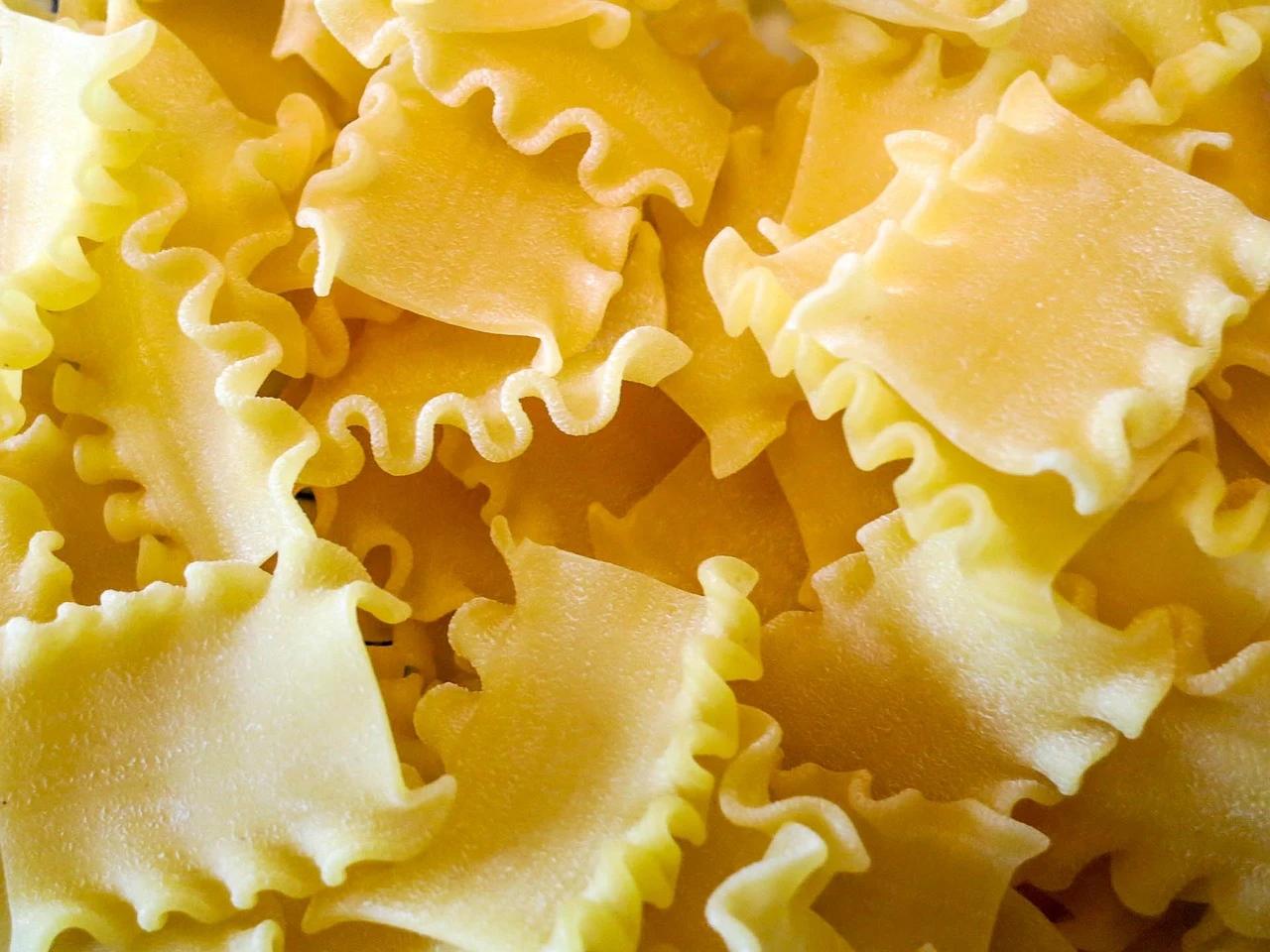
What mafaldine are
- Shape: a long flat ribbon with wavy, frilled edges
- Width: about 1 cm
- Other names: reginette, mafalda
- Made from: durum wheat semolina and water, with egg in some fresh versions
- Region: Naples and southern Italy
The name
The pasta is generally said to be named after Princess Mafalda of Savoy, the daughter of Italy’s King Victor Emmanuel III, born in 1902. Pasta makers in Naples are often credited with naming it in her honour in the early 20th century, and the nickname reginette (“little queens”) stuck as an alternative. The exact story is hard to verify, but the royal association is part of how the shape is described in Italy. In Naples it is a natural choice for a Sunday ragù. See our regional pasta guide.
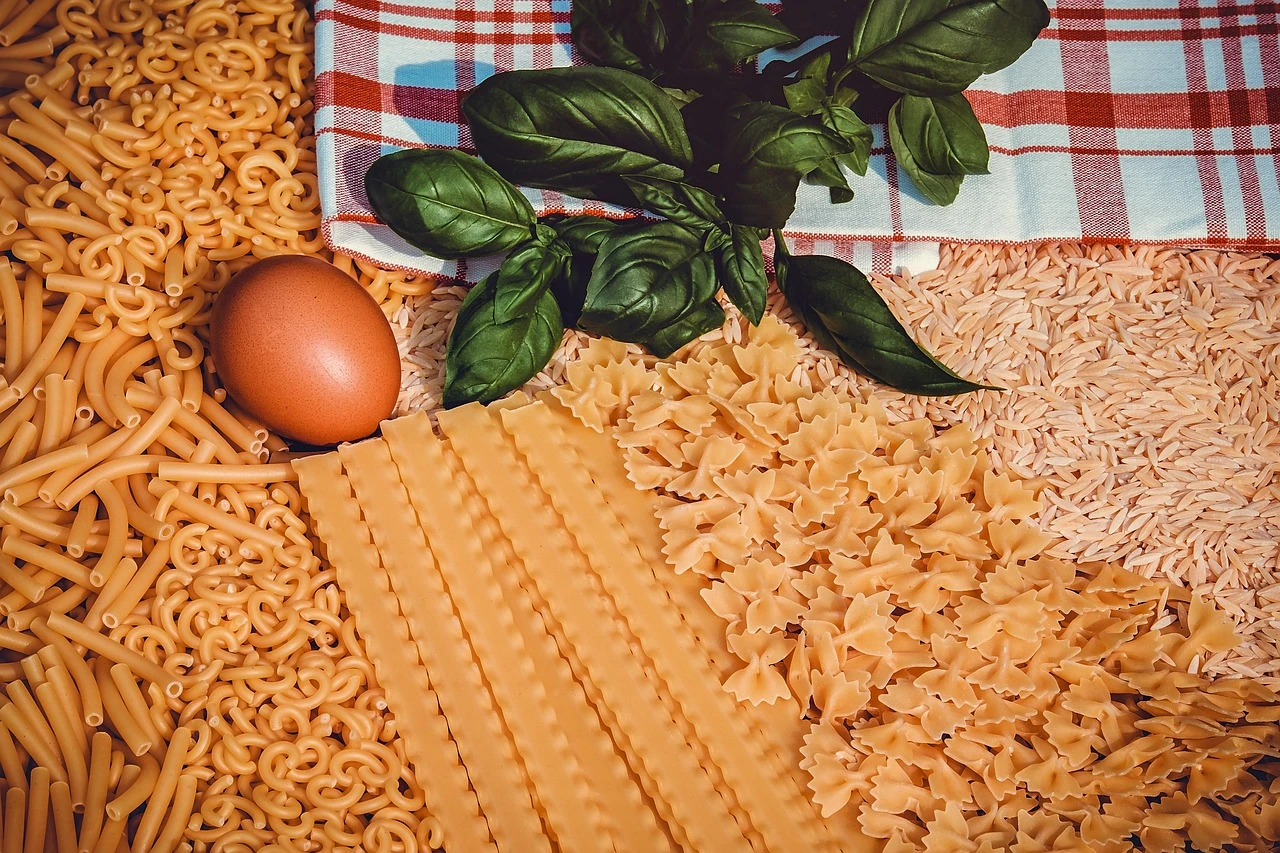
How mafaldine differ from other ribbons
| Pasta | Width and structure | Edges | Best with |
| Mafaldine | About 1 cm, ribbon with a flat centre | Ruffled | Rich ragù, cream and mushroom sauces, seafood |
| Fettuccine | 5 to 6 mm | Smooth | Alfredo and lighter cream sauces |
| Tagliatelle | 6 to 8 mm | Smooth | Bolognese ragù |
| Pappardelle | 2 to 3 cm | Smooth or fluted | Game ragù, mushrooms |
| Lasagna sheets | Wide sheets | Smooth or ruffled | Baked dishes |
Mafaldine are narrower than pappardelle, but the ruffles add texture and help sauce cling. Mafaldine can stand in for lasagna in rustic baked dishes, though they are cut into long strands and not sheets.
Best sauces
- Meat ragù: beef or pork cooked slowly. The meat settles in the ripples. In Naples, ragù alla napoletana is a classic partner.
- Creamy mushroom: sautéed mushrooms, garlic, cream and a hint of truffle.
- Seafood: a light tomato base with clams, shrimp or squid. See spaghetti alle vongole.
- Tomato sauces: marinara, arrabbiata or puttanesca balance the weight of the pasta.
- Vegetables: roasted zucchini, aubergine or spinach with ricotta.
Avoid very thin sauces such as plain olive oil dressings, since they do not cling well to the ruffles. For more matches see our pasta pairing guide.
How to cook mafaldine
- Use a large pot, 4 to 5 litres of water, salted once it boils (about 10 g per litre). The wide ribbons need room.
- If the ribbons are long, fan them into the water and ease them under as they soften. Stir gently in the first minute so the strands do not stick together.
- Cook for about 9 to 12 minutes, checking near the lower end.
- Save a cup of the cooking water, then drain.
- Toss the pasta in the sauce pan for 1 to 2 minutes, adding splashes of the water, so the ruffles absorb flavour and the sauce turns glossy. See mantecatura.
It is traditional to leave the ribbons long. See pasta cooking and pasta water for the basics.

Other uses
- Soups: broken into short pieces, they add texture to minestrone or bean soups.
- Salads: cooled and tossed with roasted vegetables, olives and Parmesan.
- Casseroles: layered with béchamel, mozzarella and vegetables as a rustic alternative to lasagna.
Three recipes
Quantities are starting points for 4 servings.
1. Mafaldine with beef ragù
Soften onion, carrot and celery, brown 500 g of mixed beef and pork, add red wine and 700 g of passata, and simmer for 2 to 3 hours until thick. Ground meat should be cooked to 71 °C (160 °F). Toss 400 g of cooked mafaldine in the ragù and finish with Parmesan.
2. Creamy mushroom mafaldine
Sauté 300 g mixed mushrooms until golden, add garlic, thyme and cream, and simmer briefly. Toss with 400 g of cooked mafaldine and some pasta water, and finish with Parmesan and a little truffle oil. See also our one-pan creamy mushroom pasta.
3. Seafood mafaldine
Cook shrimp, clams and squid quickly with garlic and chilli, add cherry tomatoes and white wine, and reduce slightly. Toss with 400 g of cooked mafaldine and parsley.
For a vegan mushroom ragù version, see this tocco di funghi recipe.
Buying mafaldine
Bronze-cut mafaldine has a rougher surface that grips sauce well. Many Italian brands sell it, and you may also find it labelled “reginette” or “mafalda”. Availability varies by shop, so check Italian delis, larger supermarkets and online grocers. See bronze-cut vs Teflon pasta.
Common questions
Is mafaldine the same as reginette?
Yes, they are two names for the same ruffled ribbon.
How long do they take to cook?
Usually 9 to 12 minutes. Check near the low end.
Is it the same as lasagna noodles?
No. Lasagna is a sheet for layering. Mafaldine are long ribbons for tossing with sauce, though they can be layered in a casserole.
Why do the edges matter?
The ruffles add surface area and give a mix of firm centre and tender edge.
Can I break it?
You can for soups, but it is traditionally served long.
What can I use instead?
Fettuccine or tagliatelle, though they have no ruffled edge. Pappardelle is wider but works with the same sauces.
Keep exploring
See our guides to pastina, best pasta for Alfredo sauce, strozzapreti, alphabet pasta and lumache, and common pasta mistakes.
Related guides: find close swaps in the pasta substitution chart, check typical times in the cooking time chart, or browse the pasta shapes A to Z.

Syed Yasar Arafat is the founder of PastaLoverz.com and a food research enthusiast with a focused interest in pasta varieties, traditional Italian cuisine, and balanced eating. Through PastaLoverz.com, he publishes well-researched articles that explain pasta types, cooking methods, and nutritional considerations in clear, practical terms to help readers make informed food choices.