
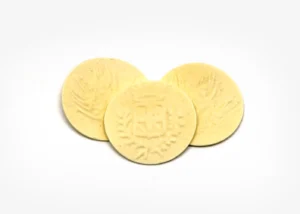
Corzetti pasta is one of Italy’s most fascinating traditional shapes, known for its intricate coin-like embossing and rich Ligurian heritage. This pasta dates back to the Renaissance, when noble families stamped their coats of arms onto each delicate round.
Unlike ordinary pasta, corzetti pasta combines craftsmanship with flavor. The embossed surface holds sauces beautifully, making every bite more intense and satisfying.
In this guide, you will discover its origins, how it is made, and the best sauces to pair with it at home.
What is Corzetti Pasta? Italy’s Edible Art.
Corzetti pasta is a fresh, stamped pasta that originates from Liguria, the crescent-shaped region in northwest Italy
famous for Pesto and focaccia. Unlike extruded industrial shapes, Corzetti are handmade using a
specialized two-piece wooden tool that cuts and stamps a design onto a disc of dough.
The name “Corzetti” is believed to derive from the Corzetto (or Crozetto), a Genoese
silver coin from the 14th Century that featured a cross (crux) on its face. Just as the coin carried
the symbol of the Republic of Genoa, the pasta was
stamped to carry the identity of the family serving it.
Recommended Watch:
But the embossing is not just for show. In Italian cuisine, form always follows function. The complex ridges,
coats of arms, and floral patterns created by the Corzetti pasta stamp serve a crucial culinary
purpose: texture. These indentations trap sauce in a way that smooth pasta cannot, ensuring
that every bite is rich with flavor, whether it’s a creamy walnut sauce or a vibrant basil Pesto.
The History of Corzetti Pasta: A Noble Tradition
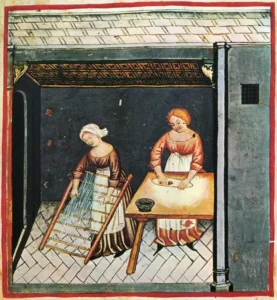
To truly appreciate Corzetti pasta, we must travel back to the Renaissance. During this period,
the Republic of Genoa was a wealthy maritime power. Noble families like the Doria and Fieschi clans would commission artisans
to carve elaborate Pear or maple wood stamps featuring their family crests.
When these families hosted banquets for visiting dignitaries or weddings, they would serve Corzetti
pasta stamped with their own coat of arms. It was a subtle yet powerful display of status, wealth,
and lineage—a way of “branding” the feast.
Historically, a father would often commission a set of Stamps as a wedding gift for his daughter, ensuring that
the family’s culinary traditions would continue in her new household. Today, while we may not have family crests
to display, the tradition of using hand-carved wooden stamps remains a beloved practice in Ligurian kitchens.
The Tool: The Art of the Corzetti Stamp
You cannot make authentic Corzetti pasta without the proper tool. The Corzetti stamp is a
two-piece instrument, typically hand-turned and carved from neutral, tight-grained hardwoods.
The Anatomy of a Stamp
- The Base (The Cutter): The bottom piece usually not only holds one side of the design, but
Often features a hollow cutting edge (like a cookie cutter) to slice the perfect circle from the rolled
dough. - The Handle (The Press): The top piece you hold features the second design.
When you place the cut circle of dough on the base and press down with the handle, you are simultaneously
embossing both sides of the pasta with different images. One side might feature a traditional lucky symbol like
a sheaf of wheat, while the other might feature a geometric pattern or initials.
Best Wood for Corzetti Stamps
If you are looking to buy a Corzetti pasta stamp, look for one made from Pear,
Apple, Maple, or Beech wood.
- Neutrality: These woods do not impart oils or resins that could ruin the flavor of the
dough. - Grain: They have a very tight grain, which allows for highly detailed carving that won’t
chip away over time. - Durability: A well-made stamp can last for generations if cared for properly (never wash it
in the dishwasher!).
Video: How to Use a Corzetti Stamp by Marcato
Authentic Corzetti Pasta Recipes
Making Corzetti pasta at home is a tactile joy. It is a slower process than cutting Fettuccine,
But the repetitive rhythm of cut-stamp-release is meditative and rewarding.
Ingredients
- 400g ’00’ Pasta Flour: This finely milled flour creates a silky, smooth dough that takes
The imprint well. - 4 Large Eggs: For richness and color.
- 50ml Dry White Wine: A crucial, authentic touch. The acidity in the wine (like a Ligurian Pigato or Vermentino) helps to relax the gluten, making the
dough more pliable and easier to stamp without shrinking back. - 1 tsp Fine Sea Salt.
- Optional: A pinch of nutmeg or lemon zest for aroma.
Step-by-Step Instructions
- Create the Dough
On a wooden board or clean countertop, pile your flour into a mound. Use your fingers to create a deep well
in the center. Crack the eggs into the well, add the white wine and salt.
Tip: Using wine instead of water is what distinguishes actual Ligurian dough from standard egg dough. - Mix and Knead
Use a fork to gently beat the eggs, slowly incorporating flour from the sides of the bowl. Once the
dough creates a shaggy mass, discard the fork and use your hands. Knead the dough vigorously for 10 minutes.
You want a smooth, elastic ball that springs back when poked.
Troubleshooting: If the dough is too dry, wet your hands. If too sticky, dust with
flour. - Rest the Dough
Wrap the dough tightly in plastic wrap and let it rest at room temperature for at least 30 minutes. This
rest is non-negotiable; it allows the gluten strands to relax. If you skip this, your dough circles will
shrink into ovals before you can stamp them. - Roll the Sheets
Cut off a quarter of the dough (keep the rest covered). Roll it out using a pasta machine or rolling pin.
You want a thickness of about 1.5-2mm.
Note: Do not roll it paper-thin like Ravioli dough. Corzetti pasta needs a little
thickness (spessore) to hold the deep impression of the stamp. - Cut and Stamp
Use the cutter side of your stamp to cut discs. Then, one by one, place a disc on the base mold. Press the
top handle down firmly. Please give it a gentle twist or rock to ensure the design sets, then peel it off. You
should have a perfect, double-sided medallion.
Recommended Watch: Corzetti
making technique with Chef Marc Vetri
- Drying
Lay the stamped pasta on a baking sheet dusted with semolina. Let them air dry for at least 30 minutes
before cooking. This helps set the design so it doesn’t melt away in the boiling water. 
Traditional Sauces and Pairings of Corzetti Pasta
Because Corzetti pasta is thicker and has a bite, it pairs best with creamy or coating sauces
rather than slippery tomato marinades. In Liguria, two sauces reign supreme.
1. Salsa di Noci (Ligurian Walnut Sauce)
This is the soulmate of Corzetti. It is a no-cook sauce dating back to when walnuts were a staple protein for the
region’s farmers.
- Ingredients: 150g walnuts, 40g pine nuts, one clove of garlic, marjoram leaves, 50g bread crumbs
(soaked in milk), 40g Parmigiano Reggiano, olive oil. - Method: Blend everything in a mortar or food processor until creamy. The sauce settles into
the etched grooves of the pasta, providing a nutty explosion in every bite.
2. Pesto alla Genovese
The classic. The embossed ridges of Corzetti are perfect little reservoirs for the emerald-green
oil of a good Pesto.
- Tip: Always add a splash of pasta cooking water to your Pesto before tossing it with the
Corzetti to make it creamy and emulsified.
3. Tocco de Funzi (Mushroom Sauce)
In the autumn, Corzetti are often served with a savory mushroom ragu, typically made using dried porcini
reconstituted in stock/wine. The earthiness of the mushrooms complements the white wine in the dough.
4. Tuccu (Genoese Meat Sauce)
Unlike a Bolognese, which uses ground meat, Tuccu uses a whole piece of beef slow-cooked until it falls
apart. The rich, gelatinous sauce coats the pasta beautifully.
Wine Pairing
To complete the experience, pour a glass of local Ligurian white wine.
- Pigato: Aromatic, with notes of peach
and honey, but a dry finish. Perfect with Walnut Sauce. - Vermentino: Crisp, saline, and
herbaceous. Cuts through the richness of Pesto. 
- Great pasta starts with mastering the basics: proper cooking technique, correct water usage, smart sauce pairing, and avoiding common mistakes. These fundamentals directly impact texture, flavor, and how well the sauce clings to pasta. By following a reliable pasta-cooking guide, understanding the science of pasta-cooking waterscience, choosing the best pasta for each sauce, and learning common pasta mistakes, you can consistently cook pasta that tastes balanced, structured, and restaurant-quality.

- Bucatini Pasta: 7 Powerful Secrets for Perfect Recipes
- Pasta Cooking : 9 Powerful Secrets for Perfect Results
- Casarecce Pasta: 11 Essential Secrets for Perfect Sauce
- Rigatoni Pasta: 7 Reasons It’s the Best Shape for Big Flavor
- Cappelletti Pasta: 7 Amazing Secrets of This Italian Classic
- Above are our valuable contributions and informational hubs.
Essential FAQ for the Aspiring Pasta Maker
Q: How do I clean my wooden Corzetti stamp?
Never put it in the dishwasher or soak it in water. The wood will swell, and the intricate carvings will assume a
fuzzy texture or crack. Instead, use a dry, stiff brush or a toothpick to scrape out any dried dough. If you must
wash it, wipe quickly with a damp cloth, and dry immediately.
Q: Why is my Corzetti dough shrinking?
If your perfectly circular turns into ovals, your gluten is too tight. Let the dough rest longer (another
15-20 minutes). Also, ensure you aren’t adding too much extra flour during rolling.
Q: Can I freeze Corzetti pasta?
Yes! Corzetti pasta freezes beautifully. Freeze them in a single layer on a baking sheet first
(so they don’t stick together), then transfer them to a freezer bag. Cook them directly from frozen; add an
extra minute to the boiling time.
Q: Where can I buy authentic Corzetti stamps?
While mass-produced plastic versions exist, they lack the soul (and release capability) of wood. Look for:
- Romagnoli Pasta Tools: A famous Tuscan
artisan shop. - Etsy Artisans: Sellers like FlorentineTouch or Terry’s Wood Shop.
- Marcato: The famous pasta machine brand sells a
decent starter kit.
Corzetti vs. Orecchiette: What is the difference?
While both are small pasta shapes, Orecchiette (“little ears”) are from Puglia, made with just semolina and
water, and shaped by dragging a knife. Corzetti are from Liguria, made with egg and wine, and
shaped. Corzetti are richer and silkier; Orecchiette are chewier and more rustic.
Q: What is the best substitute if I don’t have a Corzetti stamp?
If you haven’t invested in a wooden stamp yet, you can still enjoy the texture of this Ligurian classic. The best substitute is a clean glass with an etched bottom or a large textured meat tenderizer. While you won’t get the traditional noble crests, any clean, food-safe surface with deep ridges will help the pasta hold onto the walnut sauce. Some even use a ravioli mold or a gnocchi board to press patterns into the discs. However, for the true “Edible Art” experience, nothing beats the precision of a hand-carved pearwood stamp.
Q: Can I use 100% Semolina flour instead of ’00’ flour?
While you can use semolina, traditional Ligurian Corzetti are prized for their silky, refined texture, which comes from ’00’ soft wheat flour. Using 100% semolina (durum wheat) will result in a much heartier, toothsome pasta similar to Orecchiette. If you want a compromise, try a blend of 75% ’00’ flour and 25% semolina. This gives you the best of both worlds: a smooth surface that takes a sharp embossed image, with enough structural integrity to provide a perfect al dente bite.
Q: What is the best wood for a traditional corzetti pasta stamp?
Artisans hand-carve authentic corzetti stamps from dense, neutral hardwoods such as pear, apple, maple, or beech. These specific woods are preferred in Ligurian craft because they feature an incredibly tight grain, allowing for highly detailed geometric patterns or family crests that won’t chip over time. Furthermore, neutral hardwoods do not impart any unwanted natural oils or bitter sap resins into your delicate fresh pasta dough.
Q: Why is my corzetti dough shrinking or losing its shape after cutting?
If your stamped pasta discs shrink back into thick ovals right after you cut them, it means the gluten network in your Ligurian pasta dough is too tight. To fix this, let the dough rest wrapped in plastic wrap for an additional 15 to 20 minutes at room temperature to allow the gluten strands to relax. Additionally, avoid rolling the sheets paper-thin; a proper corzetti disc requires a uniform thickness of about 1.5mm to 2mm so it has enough structural body to hold a deep, sharp impression.
Q: Can you freeze fresh corzetti pasta for later use?
Yes, fresh handmade corzetti freeze beautifully without losing their intricate embossed texture. Arrange the stamped discs in a single layer on a baking sheet dusted with semolina flour and place it in the freezer for about an hour. Once the pasta is frozen solid, transfer the pieces to an airtight freezer bag. Cook them directly from frozen in gently simmering salted water, adding an extra 60 seconds to the overall boiling time.
Q: What is the main difference between corzetti and orecchiette pasta?
While both are iconic, textured Italian pasta shapes designed to trap rich sauces, they belong to entirely different culinary traditions:
Corzetti: Hailing from northern Italy (Liguria), this shape uses a refined “00” soft wheat flour egg dough enriched with white wine, resulting in a silky, delicate mouthfeel. It relies on a wooden stamp to emboss its pattern.
Orecchiette: Hailing from southern Italy (Puglia), this shape is made using a rustic semolina and water dough. It is shaped by hand using a knife technique, creating a much chewier, toothsome al dente bite.
Q: Why are my Corzetti breaking or losing their design when boiling?
This usually happens for two reasons: thickness and drying time. If your dough is rolled too thin (less than 1.5mm), it won’t have enough “body” to hold the deep grooves of the stamp, causing it to flatten out in hot water. Secondly, ensure you let the stamped discs air-dry on a semolina-dusted tray for at least 30 minutes. This “sets” the design. Finally, use a gentle simmer rather than a violent rolling boil to prevent the delicate edges from chipping.
Q: Is the white wine in the dough strictly necessary?
In Liguria, the wine is considered the “secret ingredient.” Beyond adding a subtle fruity aroma that pairs beautifully with seafood or nut-based sauces, the acidity in the wine serves a functional purpose. It breaks down the gluten slightly, making the dough more extensible. This prevents the “snap-back” effect, ensuring that when you stamp the dough, the design stays sharp and deep rather than shrinking back into a smooth surface. If you must skip the alcohol, substitute it with a teaspoon of white wine vinegar mixed into water.
Our articles on Mezze Maniche Pasta are also a valuable contribution, along with Mafaldine Pasta and Penne Pasta Guide
Q: What is the ideal dough thickness for stamping corzetti pasta?
Achieving the perfect thickness is the most critical step when preparing corzetti pasta at home. Unlike delicate ravioli or sheets meant for lasagna, you should never roll corzetti pasta dough paper-thin. Aim for a uniform thickness of about 1.5mm to 2mm (typically setting number 3 or 4 on most standard hand-cranked roller machines). If the dough sheet is rolled too thin, it won’t possess enough structural body to hold the deep, intricate design of your wooden mold, causing the patterns to completely flatten out and vanish the moment they hit the boiling water.
Q: How do you serve corzetti pasta to best showcase its design?
Because corzetti pasta relies on its embossed, coin-like surface to capture flavor, it is best served with thick, emulsified coatings rather than watery, loose sauces. The ultimate regional pairing for corzetti pasta is a traditional Ligurian walnut sauce (Salsa di Noci) or a velvety basil pesto. When tossing, add a generous splash of starchy pasta cooking water to your pan; this creates a glossy, tight emulsion that clings directly to the grooves. Avoid drowning your corzetti pasta in an excess of heavy sauce—you want the stunning, double-sided geometric patterns to remain completely visible on the plate to provide that signature “edible art” experience.
Summary
This comprehensive culinary guide explores the rich heritage and meticulous craftsmanship of authentic corzetti pasta, an iconic Ligurian pasta shape dating back to the Italian Renaissance. Known as “edible art,” these unique, coin-like pasta medallions feature intricate embossed patterns historically used by noble Genoese families to display their coats of arms.
The guide covers the anatomy of traditional, hand-turned wooden corzetti stamps—typically carved from dense, neutral hardwoods like pearwood or beech—which create the perfect double-sided texture designed to trap artisan sauces. It features a step-by-step fresh egg pasta recipe utilizing refined “00” soft wheat flour and dry white wine (such as Pigato or Vermentino) to relax the gluten network for optimal stamping.
Finally, the article outlines classic regional pairings, showcasing how the embossed ridges serve as a reservoir for Salsa di Noci (Ligurian walnut sauce), Pesto alla Genovese, and rustic mushroom ragù (Tocco de Funzi), establishing corzetti as a premier example of functional Italian food design.
Comparison Table: Regional Italian Textured Pastas
| Pasta Shape | Region of Origin | Traditional Dough Ingredients | Shaping & Embossing Technique | Ideal Sauce Pairings |
| Corzetti | Liguria (Northern Italy) | Refined “00” flour, egg yolk, salt, and dry white wine | Stamped using a two-piece wooden corzetti stamp (pearwood/beech) | Salsa di Noci (Walnut sauce), Pesto alla Genovese, Mushroom Ragù |
| Orecchiette | Puglia (Southern Italy) | Semolina (durum wheat) and water | Shaped by hand using a knife, the dragging technique | Broccoli rabe (cime di rapa), sausage, garlic, and olive oil |
| Mafaldine | Campania (Southern Italy) | Semolina and water (or eggs) | Ribbon-cut with wavy, ruffled edges | Rich, chunky meat ragùs, Neapolitan sauce, creamy ricotta |
| Mezze Maniche | Emilia-Romagna / Central Italy | Semolina and water | Extruded short tubes with deep outer ridges | Carbonara, Amatriciana, or heavy winter stews |
Conclusion
Conclusion
Mastering Corzetti pasta is about slowing down. It is about rejecting the speed of modern convenience for the satisfaction of creating something beautiful by hand. When you press that stamp down and reveal a fleur-de-lis or a geometric star, you are participating in a ritual that has sustained Italian families for centuries.
By taking your time to honor this traditional process, your homemade Corzetti pasta transforms from simple dough into a remarkable culinary experience. So, gather your ingredients, pour yourself a glass of wine, and start stamping. Your kitchen may not be a Renaissance palace, but with a magnificent plate of fresh Corzetti pasta and a bowl of velvety walnut sauce, you will dine like royalty.
💡 Pro Tip for Perfect Stamping
When making authentic Corzetti pasta, the secret to achieving a razor-sharp design that doesn’t fade during boiling comes down to the moisture content of your dough. If your dough is too wet, it will stick to the wooden mold and blur the intricate patterns. To prevent this, dust your rolled dough sheets lightly with semolina flour and let them air-dry for just 5 minutes before you begin cutting. This creates a subtle, matte skin on the surface that allows your Corzetti pasta stamp to leave a clean, deep, and lasting impression.
Additionally, always remember to press down firmly and give the handle a tiny, gentle twist. This minor adjustment ensures that both sides of your Corzetti pasta medallions receive an equal distribution of pressure, resulting in the gorgeous, double-sided edible art Ligurian families have perfected for centuries.

Syed Yasar Arafat is the founder of PastaLoverz.com and a food research enthusiast with a focused interest in pasta varieties, traditional Italian cuisine, and balanced eating. Through PastaLoverz.com, he publishes well-researched articles that explain pasta types, cooking methods, and nutritional considerations in clear, practical terms to help readers make informed food choices.

4 Responses