Pasta Types (Fresh vs Dried vs Whole Wheat vs Gluten-Free)
Table of Contents
What Are Pasta Types
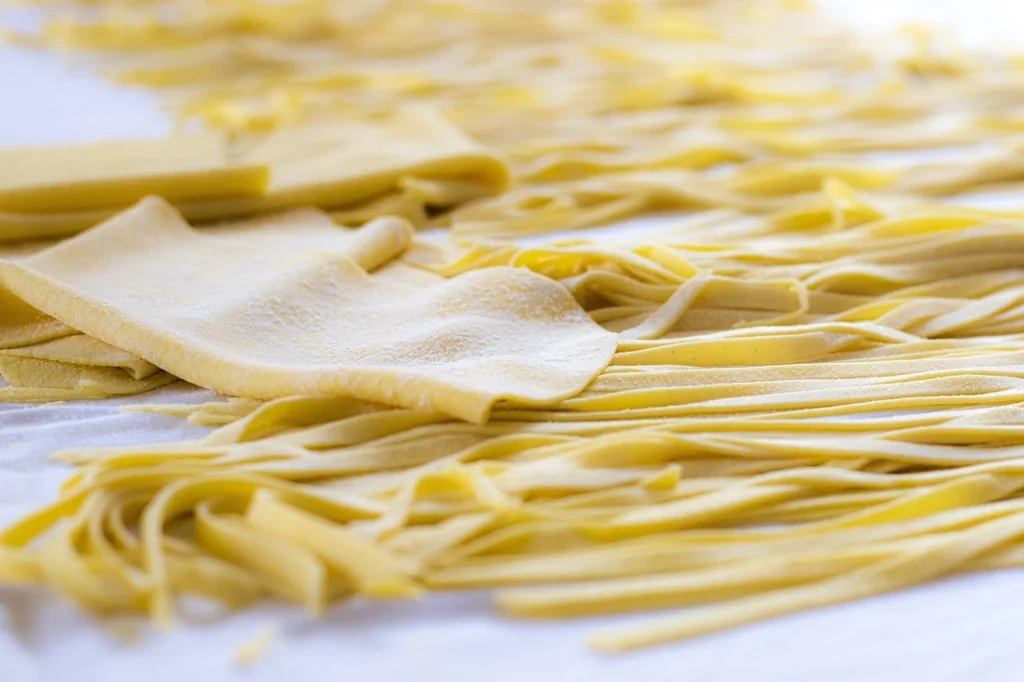
Fresh Pasta vs Dried Pasta
Pros:
Cons:
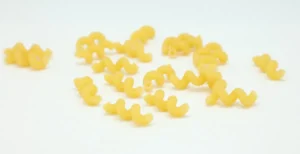
Dried Pasta
Cons:
Whole Wheat Pasta Explained
Nutritional benefits:
Best for:
Gluten-Free Pasta Guide
Best for:
Pros:
Cons:
Key Differences Between Pasta Types

How to Choose the Right Pasta Type
Use dried pasta if:
Use whole wheat pasta if:
Use gluten-free pasta if:
Expert Cooking Tips ( by Pasta Types)
Universal Pasta Cooking Rules
- Always salt your water generously to enhance flavor from within
- Reserve pasta water to improve sauce texture and binding
- Match pasta shape and type with the right sauce for best results
Fresh Pasta Cooking Tips
- Cook for 2 to 4 minutes only since fresh pasta cooks quickly
- Use gentle boiling to avoid tearing delicate strands
- Pair with light sauces like butter, cream, or olive oil
- Avoid overcrowding the pot to prevent sticking
- Add sauce immediately after draining to preserve texture
Dried Pasta Cooking Tips
- Cook until al dente for the best texture and bite
- Stir during the first 2 minutes to prevent sticking
- Use a large pot with plenty of water for even cooking
- Save at least 1 cup of pasta water before draining
- Finish cooking pasta in the sauce for deeper flavor
Whole Wheat Pasta Cooking Tips
- Expect a firmer texture and slightly nutty flavor
- Cook slightly longer than regular pasta but avoid overcooking
- Taste-test frequently to maintain ideal texture
- Pair with robust sauces like tomato or meat-based sauces
- Add a bit more salt to balance the stronger grain taste
Gluten-Free Pasta Cooking Tips
- Do not overcook as it can become mushy quickly
- Stir gently to prevent breaking
- Follow package instructions carefully as cooking times vary
- Use immediately after cooking to avoid clumping
- Rinse lightly only if required based on the type
Legume-Based Pasta (Protein Pasta) Tips
- Cook in slightly less water to maintain structure
- Skim foam during boiling for better taste
- Avoid over-stirring to prevent breakage
- Pair with simple sauces to highlight natural flavor
- Ideal for high-protein and fiber-rich meals
To cook pasta perfectly, salt the water generously, cook fresh pasta briefly, cook dried pasta until al dente, avoid overcooking gluten-free pasta, and reserve pasta water to improve sauce consistency. Adjust cooking techniques based on the pasta type for the best results.
FAQs:
Q: What are the main types of pasta?
The main types of pasta are fresh pasta, dried pasta, whole wheat pasta, and gluten-free pasta. Each type differs in ingredients, texture, and culinary use. According to Encyclopaedia Britannica, pasta variations evolved based on regional ingredients and preservation methods.
Q:Is fresh pasta better than dried pasta?
Fresh pasta works best for delicate dishes, while dried pasta suits hearty sauces. The National Pasta Association explains that dried pasta’s firm structure helps it hold sauces better, making it ideal for everyday cooking.
👉 Internal guide: Pasta Cooking Methods
Q: Is whole wheat pasta healthier than regular pasta?
Yes, whole wheat pasta contains more fiber and nutrients than refined pasta. Research-backed nutrition insights from Harvard T.H. Chan School of Public Health highlight whole grains as beneficial for digestion and heart health.
Q: Does gluten-free pasta taste different?
Yes, gluten-free pasta can vary in taste and texture depending on ingredients like rice, corn, or legumes. According to Celiac Disease Foundation, gluten-free products often differ in structure due to the absence of gluten protein.
Q: Which pasta type is best for weight loss?
Whole wheat and legume-based gluten-free pasta are best due to higher fiber and protein content. The Mayo Clinic recommends fiber-rich foods for better satiety and weight management.
Q: What is the difference between fresh pasta and dried pasta?
Fresh pastatype contains eggs and has a soft texture, while dried pasta is made from durum wheat and water, making it firmer and shelf-stable. Encyclopaedia Britannica notes that drying pasta historically improved storage and global distribution.
Q: Which pasta type holds sauce the best?
Dried pasta type holds sauce best due to its rough texture and ridged shapes. Cooking experts at Serious Eats emphasize that bronze-cut dried pasta enhances sauce adhesion.
👉 Internal guide: Best Pasta Shapes
Q: Is gluten-free pasta healthier than regular pasta?
Gluten-free pasta type is essential for those with gluten intolerance but not automatically healthier for everyone. The Celiac Disease Foundation advises choosing nutrient-dense options like legume-based pasta.
Q: What is the healthiest pasta to eat daily?
Whole wheat and legume-based pasta are the healthiest options due to higher fiber and protein. Nutritional guidance from Harvard T.H. Chan School of Public Health supports whole grains as part of a balanced diet.
Q: Why is dried pasta more popular worldwide?
Dried pasta is widely used because of its long shelf life, affordability, and versatility. Share the pasta highlights its convenience and global accessibility.
Q: Can I mix different pasta types in one dish?
Yes, but it requires careful timing since different pasta types cook at different rates. Culinary experts at Barilla recommend cooking separately for best results.
👉 Internal guide: How to Cook Pasta Perfectly
Q: What pasta type is best for creamy sauces?
Fresh pastatypes are ideal for creamy sauces because of its soft texture. According to Serious Eats, delicate pasta absorbs emulsified sauces more effectively.
Q: What pasta type is best for tomato-based sauces?
Dried pasta type works best with tomato-based sauces due to its firm bite and ability to hold structure. National Pasta Association supports pairing sturdy pasta with robust sauces.
Q: Is pasta healthy or unhealthy?
Pasta can be healthy when eaten in moderation and paired with nutrient-rich ingredients. The Mayo Clinic recommends balancing carbohydrates with protein and vegetables.
Q:How do I choose the right pasta type for a recipe?
Choose pastatype based on sauce and texture. Use fresh pasta for light dishes, dried for heavy sauces, whole wheat for added nutrition, and gluten-free for dietary needs. Barilla provides detailed pairing recommendations.
👉 Internal guide: Pasta Sauces Guide (link to your article)
The mainpasta types are fresh, dried, whole wheat, and gluten-free. Fresh pasta suits light sauces, dried pasta works best for hearty dishes, whole wheat offers more fiber, and gluten-free is ideal for dietary restrictions. The best choice depends on your recipe and health goals.
Call to Action
Use this guide to choose the perfect pastatypes every time. For deeper expertise, explore your Pasta Shapes, Sauces, and Cooking Methods guides and build complete pasta authority across your site.
Conclusion

Syed Yasar Arafat is the founder of PastaLoverz.com and a food research enthusiast with a focused interest in pasta varieties, traditional Italian cuisine, and balanced eating. Through PastaLoverz.com, he publishes well-researched articles that explain pasta types, cooking methods, and nutritional considerations in clear, practical terms to help readers make informed food choices.