Pasta Shapes: The Complete Guide to 50 Italian Types
Why Pasta Shapes Matter
Long Pasta Shapes
Ribbon Pasta Shapes
Short Pasta Shapes
Tube Pasta Shapes
Stuffed Pasta Shapes
Tiny Shapes for Soup
Rare Regional Shapes
How to Pair Pasta Shapes with Sauce
Internal Pasta Shapes: Guides to Explore
Pasta Shapes List (Quick Reference Guide)
Frequently Asked Questions
Q: What are pasta shapes?
Shapes are the different forms in which pasta dough is molded before cooking or drying. Italy has created hundreds of pasta shapes, ranging from long strands like spaghetti to tiny soup pasta such as stelline. Each shape is designed to interact with sauce differently, creating a specific texture in a dish. Understanding pasta shapes helps cooks choose the best pasta for each recipe.
Q: How many pasta shapes exist?
Food historians estimate that Italy has more than 350 traditional pasta shapes. When regional names and local variations are included, the number exceeds 1,300 pasta varieties. Many of these shapes developed in different Italian regions based on local ingredients and traditional cooking methods.
Q: Why do pasta shapes matter in cooking?
Shapes matter because they affect how the sauce coats the pasta. Smooth pasta works best with lighter sauces, while ridged or hollow shapes hold thicker sauces. Choosing the right Shape improves flavor balance, texture, and the overall eating experience.
Q: What is the most popular pasta shape?
Spaghetti is widely considered the most popular pasta shape in the world. It is a long, thin pasta commonly served with tomato sauce, meat sauce, garlic and olive oil, or seafood sauces. Spaghetti is a staple in many classic Italian dishes.
Q: Which pasta shapes hold sauce best?
Shapes with ridges, twists, or hollow centers hold sauce best. These structures trap sauce inside and around the pasta.
Common examples include:
- Penne rigate
- Rigatoni
- Fusilli
- Rotini
- Tortiglioni
These shapes work especially well with thick, meaty, and creamy sauces.
Q: Which pasta shapes are best for creamy sauces?
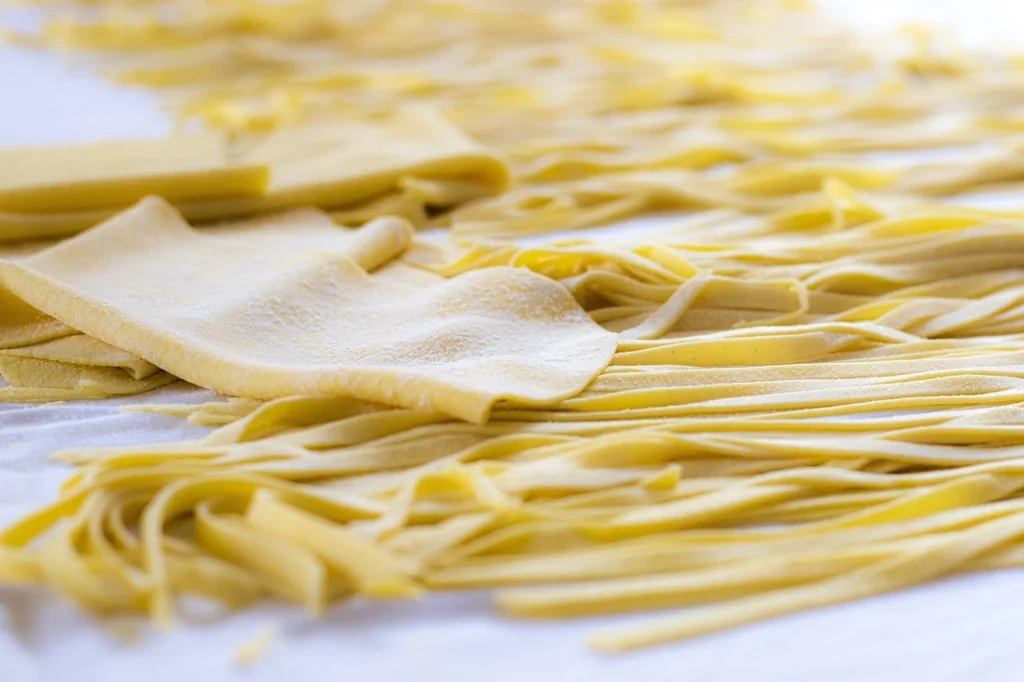
Wide, flat shapes are ideal for creamy sauces because they provide a large surface area for the sauce to cling to.
Popular choices include:
- Fettuccine
- Tagliatelle
- Pappardelle
- Mafaldine
These shapes are commonly used in dishes with Alfredo, mushroom cream, or cheese sauces.
Q: Which pasta shapes are best for pasta salads?
Short shapes work best in pasta salads because they hold dressing and mix well with vegetables and proteins. Spirals and curves trap ingredients effectively.
Common pasta salad shapes include:
- Fusilli
- Rotini
- Farfalle
- Penne
- Gemelli
These shapes absorb dressing and keep the salad flavorful.
Q: Which pasta shapes are used in soups?
Small shapes are commonly added to soups because they cook quickly and blend well with broth-based dishes.
Popular soup pasta shapes include:
- Orzo
- Ditalini
- Stelline
- Acini di pepe
- Pastina
These tiny pasta varieties appear frequently in Italian soups such as minestrone and brodo.
Q: What shapes are best for baked pasta dishes?
Tube-shaped pasta is best for baked dishes because it holds sauce and melted cheese.
Examples include:
- Ziti
- Rigatoni
- Penne
- Cannelloni
- Paccheri
These shapes are commonly used in baked ziti, pasta casseroles, and stuffed pasta dishes.
Q: Do different pasta shapes taste different?
Most Shapes are made from the same ingredients, usually durum wheat semolina and water. However, many people wonder whether different shapes taste differently. The flavor is usually similar, but the shape changes the texture and how the sauce clings to the pasta, which affects the overall eating experience.
Q: Are there gluten-free pasta shapes?
Yes, many brands produce gluten-free shapes made from alternative ingredients such as rice, corn, chickpeas, lentils, or quinoa. These gluten-free pastas are available in popular shapes like spaghetti, penne, and fusilli. They allow people with gluten intolerance to enjoy traditional pasta dishes.
Q: Why does Italy have so many pasta shapes?
Italy has so many shapes because each region developed its own culinary traditions over centuries. Local ingredients, handmade techniques, and regional sauces influenced the creation of unique pasta varieties. As a result, Italy became home to hundreds of traditional pasta shapes, each suited to specific recipes and cooking styles.
Optimized Conclusion
Shapes play a key role in Italian cooking because each shape is designed to hold sauce, texture, and flavor differently. Long pasta, like spaghetti, pairs well with smooth sauces, while tube shapes, such as rigatoni, trap rich, chunky sauces. Filled varieties like Ravioli create a complete bite with every forkful. When you match the right pasta shape with the right sauce, even a simple dish becomes more balanced, authentic, and satisfying.
Understanding shapes helps you cook Italian dishes the way they were meant to be enjoyed. From delicate orzo to hearty rigatoni, choosing the correct shape can turn an everyday meal into a memorable Italian experience.
Conclusion
Shapes are more than a visual variety. They are a practical part of Italian culinary tradition. Each shape is designed to interact with sauce, ingredients, and texture in a specific way.
When you understand how shapes like spaghetti, rigatoni, Ravioli, and orzo work with different sauces, you can create dishes that taste more authentic and balanced.
The right shape does not just change a meal’s appearance; it also changes its flavor. It changes the entire eating experience.
Call to Action
Want to master Italian pasta even further?
Explore more detailed pasta guides on PastaLoverz to learn about traditional pasta varieties, authentic cooking techniques, and the best sauce pairings for every shape. Discover how small details can transform your pasta dishes into true Italian classics.

Syed Yasar Arafat is the founder of PastaLoverz.com and a food research enthusiast with a focused interest in pasta varieties, traditional Italian cuisine, and balanced eating. Through PastaLoverz.com, he publishes well-researched articles that explain pasta types, cooking methods, and nutritional considerations in clear, practical terms to help readers make informed food choices.