Delicious Pici: 7 Powerful Secrets to Master Tuscany’s Hand-Rolled Pasta
What is Pici?
Pici is a rustic, hand-rolled pasta that resembles extra-thick spaghetti. It usually uses only flour and water. Some families add a touch of olive oil or a loose egg. The strands maintain a rough surface, allowing sauces to cling to them.
Why Pici matters
It comes from cucina povera. It demonstrates how a few ingredients can be combined to create a deeply satisfying dish when you focus on texture and technique. The shape rewards bold, textured sauces. That makes Pici a proper shape for home cooks who want comfort without fuss.
Origin and tradition
Pici comes from the province of Siena in Tuscany. Different towns keep slightly different names and habits. In Montalcino and nearby cities, you may hear “pinci” instead of “Pici.” The shape likely evolved from regional dough traditions rather than being invented by a single person.
Local festivals and family recipes preserved Pici. For cultural context, refer to regiwrite-upse-ups and recipe histories, such as the Terre di Siena pages and historical notes. Wikipedia – Pici provides a concise summary of its origins.
Ingredients and dough ratios
Its classic dough stays minimal. Aim for these starting ratios:
- 100% Tipo 00 flour, or a mix of 00 and semolina
- Water at about 50 to 55 percent of the flour weight
- Pinch of salt
- Optional: 1 to 2 teaspoons olive oil or a single egg for richness
For a home batch serving 3 to 4, use 300g of flour and 150 to 160g of water. If you add one egg, reduce the water slightly. Semolina adds bite. 00 flour gives a silkier result.
Step-by-step: make it at home.
This method stays repeatable and straightforward. It will provide you with consistent results without requiring special equipment.
Ingredients (serves 3 to 4)
300 g flour (00 or 200 g 00 + 100 g semolina), 150 to 160 g water, a pinch of salt, 1 tsp olive oil (optional).
Method
- Place flour and salt on the work surface. Make a well and pour the water slowly into it. Mix until a rough dough forms. Add olive oil if using.
- Knead 8 to 10 minutes until the dough feels smooth and slightly elastic. Cover and rest 20 to 30 minutes so the gluten relaxes.
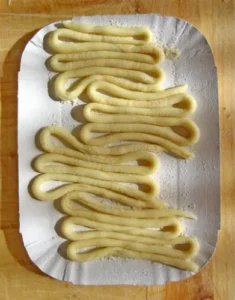
- Divide the dough into logs. Flatten each log and stretch it into a long strip. Roll each strip between your palms or between your palm and the counter into ropes about 3 to 4 mm thick. Irregularity is fine.
- Dust the finished strands with flour and place them, separated, on a board. Rest briefly before cooking. Keep unused dough covered with a damp cloth to prevent it from drying out.
- Cook in plenty of salted boiling water. Fresh Pici usually needs 3 to 6 minutes, depending on thickness. Taste early—reserve pasta water to finish sauces.
For visual guidance and variations, consult trusted step-by-step methods from artisanal cooks and reputable sources that offer tested technique notes you can follow.
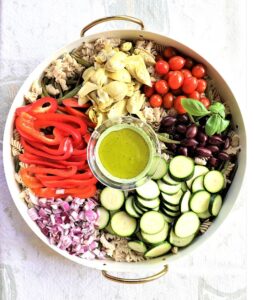
Classic sauces and pairings
It likes sauces with texture and personality. It soaks up oils and holds chunky ragù.
Pici all’Aglione
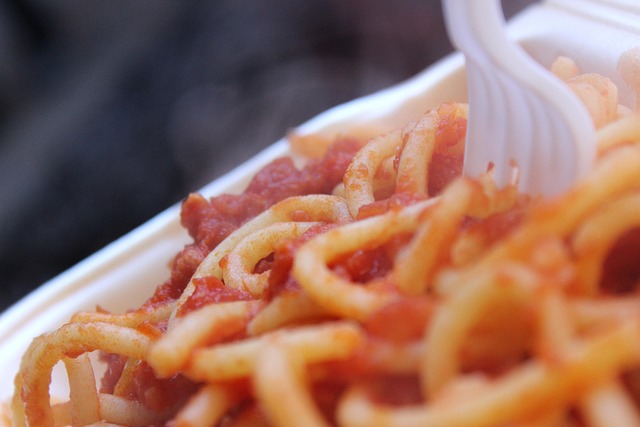
This is the classic. Aglione features generous amounts of garlic, olive oil, tomatoes, and chili. The sauce stays bright and garlicky. Serve it with a light grating of Pecorino if you like. For a canonical recipe, see La Cucina Italiana.
Cacio e pepe-style
Use Pecorino and black pepper. Pici benefits from a slightly richer cheese-to-pasta ratio and starchy water to bind the sauce.
Boscaiola and ragù
Mushroom sauces and slow-cooked meat ragù pair perfectly with its chewy texture. A game ragù, such as wild boar or a long beef ragù, becomes memorable when served over Pici.
Cooking timing and texture control
Use a large pot and plenty of salted water. Fresh moves more slowly than thin pasta but still cooks faster than dried shapes of the same thickness. Taste early. Small ropes may finish in 3 minutes. Chunkier ropes need 5 to 7 minutes—reserve pasta water for emulsifying sauces. Toss it in the pan with the sauce to let it absorb the flavor and bind the sauce to the strands.
Variations and regional names
Expect local names and tiny tweaks. It appears in some towns. Some people add egg, others olive oil. Spinach, saffron, or herbs appear occasionally to tint the dough. Thickness varies by household. Tradition favors improvisation more than rigid rules.
Buy or make: Fresh vs. Dried.
When fresh produce is at its best in terms of texture and cooks quickly, dried Pici from artisanal producers offers convenience and stores longer. Match dried Pici to hearty, long-cooked sauces. Buy from quality delis or direct from producers who disclose their flour and milling methods.
Our chickpea pasta, Soba pasta, Route pasta, and ziti pasta guides will help enhance your knowledge through our valuable contributions.
Troubleshooting common problems
Dough too sticky
Add small amounts of flour while kneading. Let the dough rest to hydrate. If you overflour, you will toughen the final texture, so add gradually.
Strands break while rolling.
Knead for a little longer to develop the gluten, and then let the dough rest. Reduce water slightly next time.
Sticks when cooking?
Spread the strands on a floured board or toast them with a bit of oil until you’re ready to cook. Stir gently in the pot.
Sauce will not cling.
Finish the pasta in the pan with the sauce, and add reserved pasta water to help the sauce bind to the strands.
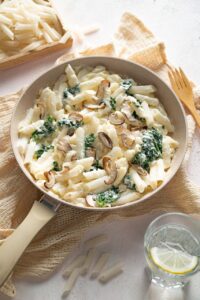
Three quick recipes to try tonight
A. Pici all’Aglione – quick
Sweat crushed garlic in olive oil until fragrant. Add chopped tomatoes and a pinch of chili. Simmer until bright and slightly reduced. Toss with fresh Pici. Finish with a drizzle of olive oil or a light grating of Pecorino if desired.
B. With mushrooms and Pecorino
Sauté mixed mushrooms with garlic. Add a splash of white wine and reduce the heat. Toss with cooked Pici and grated Pecorino. Use pasta water to create a silky coating.
C. Rustic with ragù
Make a slow tomato-meat ragù. Cucina i pici al dente. Combine in a deep pan and let the sauce cling to every strand. Serve with grated Pecorino.
Nutrition Snapshot and Serving Ideas
Is Pici pasta healthy?
Pici pasta is a starch-forward food made primarily from flour and water, with carbohydrates as its main source of energy. Like most traditional pastas, its nutritional impact depends more on portion size and sauce choice than on the pasta itself.
A standard serving of Pici provides sustained energy and pairs well with balanced ingredients. Choosing semolina or whole-grain flour blends can modestly increase fiber and improve satiety without changing the rustic texture that defines Pici.
How should Pici pasta be served for lighter meals?
For lighter plates, pair Pici pasta with vegetables, lemon zest, olive oil, and fresh herbs. Simple preparations, such as garlic, chili flakes, and seasonal greens, let the pasta’s chewy texture shine without adding excess calories.
What are balanced serving ideas for Pici pasta?
- Toss with sautéed zucchini, spinach, or broccoli and finish with olive oil
- Pair with tomatoes, basil, and a light grating of aged cheese
- Serve with legumes or mushrooms for plant-based protein
- Use small portions with rich meat sauces to maintain balance
Because Pici pasta is thick and satisfying, moderate portions go a long way. Its hearty chew often invites second helpings, so plating thoughtfully helps keep meals satisfying without becoming heavy.
When matched with vegetables, good fats, and mindful portions, Pici pasta fits comfortably into a balanced, traditional Italian-style diet.
FAQs
Q: What is Pici pasta made from?
Pici pasta is traditionally made from just flour and water, which reflects its rustic Tuscan origins. Some households enrich the dough with a small amount of olive oil to improve elasticity, and a few add a single egg, though this is not considered traditional. The simplicity of the ingredients allows the pasta’s texture to stand out rather than the dough itself.
Q: How long does it take to cook when fresh?
Fresh usually cooks in 3–6 minutes, depending on how thick the strands are rolled. Because pici is hand-rolled and uneven by nature, it is important to taste early and often. The ideal texture is al dente with a gentle chew, not soft or slack.
Q: Is it the same as bigoli?
No. While both are thick, long pasta shapes, they differ in origin and structure. Pici is hand-rolled, irregular, and typically made without eggs, giving it a rustic, chewy bite. Bigoli is usually extruded, often egg-based, and more uniform in thickness. Bigoli also tends to be denser and heavier, while Pici feels more flexible and handmade.
Q: Why does it have an uneven shape?
The uneven thickness is intentional. It is rolled by hand, not cut or extruded, which creates natural variation. These irregularities help sauces cling better and give the pasta its signature rustic texture.
Q: What sauces work best with it?
It pairs best with simple, bold sauces such as garlic and olive oil, tomato-based sauces, or meat ragù. Its thick strands hold sauce well, making it ideal for rich but uncomplicated preparations.
Q: Can it be dried?
It is traditionally cooked fresh. Drying is possible but uncommon, as the irregular thickness can lead to uneven drying and cooking. Fresh preparation delivers the best texture and flavor.
Featured Snippet (with sources inside the paragraph)
Pici pasta is a traditional hand-rolled pasta from Tuscany, Italy, especially associated with the province of Siena. It looks similar to thick spaghetti but is slightly irregular because each strand is rolled by hand using simple ingredients such as flour and water, sometimes with a little olive oil. Its rustic texture helps sauces cling well, which is why pici is commonly served with classic Tuscan preparations like aglione (garlic tomato sauce), cacio e pepe, or meat ragù. Food historians and culinary references such as Valdichiana Living, The Pasta Project, and Encyclopaedia Britannica describe pici as one of Tuscany’s most iconic handmade pasta traditions, highlighting its simple rural origins and its continued role in regional Italian cuisine.
Conclusion
Pici pasta captures the heart of Tuscan cooking. Its thick, hand-rolled strands reflect a tradition built on simple ingredients and careful technique. Unlike factory-made pasta, pici’s slightly uneven texture helps sauces cling beautifully, whether you serve it with aglione, cacio e pepe, or a rich meat ragù.
Food historians and culinary resources such as Valdichiana Living and The Pasta Project highlight Pici as one of Tuscany’s most iconic handmade pastas, valued for both its rustic charm and deep cultural roots.
Whether you cook it from scratch or buy authentic dried pici, this pasta offers a true taste of Tuscany. One bowl shows how a few humble ingredients can create something deeply satisfying and memorable.
Call to Action
Ready to explore more authentic Italian pasta?
Dive deeper into traditional pasta varieties and discover the stories behind them. From hand-rolled Tuscan classics to unique regional shapes, each pasta has its own history and cooking method.
👉 Visit PastaLoverz to learn about more traditional Italian pasta types, cooking tips, and authentic recipes that help you bring real Italian flavors into your kitchen. Start exploring and find your next favorite pasta today.

Syed Yasar Arafat is the founder of PastaLoverz.com and a food research enthusiast with a focused interest in pasta varieties, traditional Italian cuisine, and balanced eating. Through PastaLoverz.com, he publishes well-researched articles that explain pasta types, cooking methods, and nutritional considerations in clear, practical terms to help readers make informed food choices.