
Chickpea Pasta
Chickpea pasta benefits go far beyond being gluten- free.
This protein-rich alternative may improve digestion, stabilize blood sugar, and keep you full longer than traditional pasta.
What Is Chickpea Pasta?
Chickpea pasta is produced by milling dried chickpeas into flour and shaping it into familiar pasta forms. instead of refined wheat. It provides a denser nutritional profile while maintaining a familiar pasta shape and cooking method.
Unlike traditional semolina pasta, it contains no wheat and is naturally gluten-free. Most varieties use minimal ingredients, often just chickpea flour and water, which supports clean-label preferences.
Chickpea Pasta VS Regular Pasta
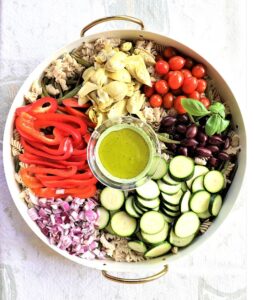
Chickpea pasta differs from regular wheat pasta mainly in protein, fiber, and ingredient composition. It typically contains more protein and fiber and is naturally gluten-free, whereas traditional pasta is made from refined or durum wheat. In terms of taste and texture, chickpea pasta has a slightly nuttier flavour and firmer bite, making it better suited to hearty sauces and protein-focused meals.
How to cook Chickpea pasta without it turning Mushy
1: Use a large pot with plenty of salted water.
2: Stir during the first minute to prevent sticking.
3: Cook 1-2 minutes less than the package time.
4: Drain immediately once al dente.
5: Finish cooking in sauce, not water
Origin and History
It has deep roots in Mediterranean and Middle Eastern cooking, dating back thousands of years, long before the concept of modern pasta alternatives existed. Archaeological and culinary records show that chickpeas were cultivated across the Italian peninsula as an affordable, shelf-stable source of nourishment, particularly valued by rural communities.
In southern Italy, legumes were frequently milled into flour during periods when wheat was scarce or reserved for export. Chickpea flour became a practical solution for producing filling foods that required minimal ingredients and provided sustained energy. This practice laid the foundation for legume-based doughs that predate industrial pasta production.
Although packaged chickpea pasta is a modern development, its culinary roots trace back to traditional dishes such as farinata, panelle, and pasta e ceci. These preparations demonstrate how chickpeas were historically paired with grains or used as stand-alone staples in everyday Italian cooking.
Italian food historians at Lucina Italiana explain that legumes played a supporting yet essential role in traditional pasta culture, particularly in inland and agrarian regions. Pasta shapes and doughs were often adapted to local ingredients, reinforcing the idea that nutrition and practicality shaped Italian cuisine as much as flavor did.
Research published by academiabarilla further notes that legumes historically complemented grain-based diets by adding protein, fiber, and micronutrients. This balance helped sustain populations during periods of limited access to food and seasonal scarcity, reinforcing the cultural importance of chickpeas long before their modern resurgence.
In contemporary cooking, chickpea pasta reflects a return to these traditional principles. It aligns historical legume usage with current dietary preferences, demonstrating how ancient food practices continue to influence modern pasta innovation.
Shape, Texture, and Size
Shape: Available in familiar forms such as penne, fusilli, rotini, and spaghetti
Texture: Firm and slightly grainy compared to wheat pasta
Length or width: Matches conventional pasta dimensions
Why the shape matters: Thicker walls prevent breakage and support heavier sauces
This structural firmness helps chickpea pasta perform well in both warm dishes and chilled pasta salads.
Best Sauces
Thick Sauces
Chickpea pasta pairs well with tomato-based sauces that include vegetables or legumes. The dense surface holds chunky ingredients without slipping.
Creamy Sauces
Cream-based sauces work when lightly coated. The pasta’s natural nuttiness balances dairy or plant-based cream sauces without becoming bland.
Baked Dishes
Chickpea pasta holds its shape in baked casseroles. It resists over-softening better than many gluten-free alternatives, which makes it suitable for layered dishes.
For visual guidance, culinary educators demonstrate these pairings in videos, such as how to cook legume pasta properly and which sauces are best for gluten-free pasta, both available on YouTube.
How to Cook it Perfectly
Water ratio: Use a large pot with generous water to prevent sticking
Salt timing: Salt the water once it reaches a rolling boil
Cooking time: Follow package timing closely, usually 7–9 minutes
Al dente tip: Drain immediately once tender and rinse lightly to stop cooking
Overcooking leads to softness and surface cracking, so attention matters more than with wheat pasta.
Chickpea Pasta vs Similar Pasta Shapes
Chickpea pasta vs lentil pasta
Chickpea versions taste milder
Lentil pasta often has a stronger, earthy flavor
Chickpea pasta vs brown rice pasta
Chickpea pasta offers more protein
Rice pasta cooks more softly and breaks more easily
These differences affect both texture and nutritional balance.
Is it Healthy?
Chickpea pasta offers a different nutritional profile than refined wheat pasta.
Calories: About 190–210 per cooked cup
Carbohydrates: Lower net carbs due to higher fiber
Protein: Around 13–15 grams per serving
Whole grain option: Naturally whole-food based, not refined
Nutrition researchers at Harvard T.H. Chan School of Public Health note that legume-based foods support balanced eating patterns when paired with vegetables and healthy fats. Chickpea pasta fits this model by combining plant protein and fiber into a single ingredient.
Chickpea Pasta vs Gluten-Free Pasta Health Impact
Chickpea pasta differs from many gluten-free pastas that rely on rice, corn, or starch-based blends. These traditional gluten-free options are designed to replicate the texture of wheat pasta but often provide limited nutritional diversity.
Rice-based gluten-free pasta primarily supplies carbohydrates with minimal protein and fiber. As a result, it digests quickly and may contribute to less sustained fullness after meals. Chickpea pasta, by contrast, delivers both protein and dietary fiber, which can help slow digestion and promote satiety.
The fiber content of chickpea pasta also supports a more gradual release of glucose compared with refined rice or corn pasta. This difference makes it a practical option for individuals seeking steadier energy levels throughout the day, mainly when meals include vegetables and healthy fats.
From a micronutrient perspective, chickpea pasta naturally contains iron, magnesium, and B vitamins that are often absent or present in smaller amounts in refined gluten-free pasta. Many rice-based pastas require fortification to reach similar nutritional levels.
For people avoiding gluten without celiac disease, chickpea pasta often offers a more nutritionally complete alternative that aligns with whole-food eating patterns. However, individuals with legume sensitivities or digestive intolerance to chickpeas should approach them cautiously and monitor personal tolerance.
Overall, the health impact of any gluten-free pasta depends on the quality of its ingredients, portion size, and meal composition. Chickpea pasta stands out for combining gluten-free convenience with naturally occurring nutrients rather than relying solely on refined starches.
FAQs
Q: Does chickpea pasta taste like regular pasta?
A: It has a mild, nutty flavor that differs slightly from wheat pasta. When paired with sauce, most people find the taste neutral and satisfying rather than overpowering.
Q: Is chickpea pasta better for weight management?
A: It contains more protein and fiber than refined pasta, which may promote fullness. Portion size and toppings still matter for overall calorie intake.
Q: Can chickpea pasta be used for cold pasta salads?
A: Yes. It holds its shape well when cooled, making it suitable for salads, especially when tossed with olive oil and vegetables.
Q: Does chickpea pasta spike blood sugar?
A: It generally has a lower glycemic impact than refined wheat pasta due to its fiber and protein content, though individual responses vary.
Q: Is chickpea pasta suitable for children?
A: Yes, when cooked properly. Its firmer texture may require slightly longer cooking for younger eaters.

Syed Yasar Arafat is the founder of PastaLoverz.com and a food research enthusiast with a focused interest in pasta varieties, traditional Italian cuisine, and balanced eating. Through PastaLoverz.com, he publishes well-researched articles that explain pasta types, cooking methods, and nutritional considerations in clear, practical terms to help readers make informed food choices.
Pingback: 7 Irresistible Reasons to Love Pasta Tetrazzini Table of Contents
Pingback: Campanelle Pasta Guide: Powerful 7 Facts You Should Know
Pingback: Cencioni Pasta Explained: Powerful 7 Facts Italians Love
Pingback: Alphabet Pasta: 7 Amazing Reasons Kids Love It
Pingback: Testaroli Pasta: 7 Amazing Facts You Must Know Today
Pingback: Excellent Bavette Pasta Guide: 11 Proven Tips for Perfect Results
Pingback: Amazing Trofie Guide: 7 Key Facts You Should Know
Pingback: Tortelloni Pasta: 7 Amazing Facts You’ll Love
Pingback: Maccheroni alla Molinara: 7 Fascinating Facts About This Traditional Abruzzo Pasta
Pingback: Delicious Guide to Fusilli Pasta: 10 Secrets for Perfect Twists Every Time
Pingback: Delicious Tortiglioni Pasta: 9 Proven Secrets to Master the Perfect Twisted Tube
Pingback: Ziti Pasta: 7 Proven Secrets to Master This Baked Italian Classic
Pingback: Excellent Radiatori Pasta Guide: 7 Proven Tips
Pingback: Amazing Trenette: 8 Pro Tips to Make Liguria's Iconic Pasta Perfect Every Time
Pingback: Farfalle pasta: 7Delicious Secrets to Master the Classic Bow-Tie Shape
Pingback: Delicious Pici: 7 Powerful Secrets to Master Tuscany’s Hand-Rolled Pasta
Pingback: Delicious Macaroni (Elbows) Pasta: 7 Irresistible Facts and Recipes You’ll Love
Pingback: Lasagne Verdi: Authentic 9- Steps Italian Spinach Pasta Recipe