
Ruote Pasta: The Wheel-Shaped Italian Pasta That Holds Sauce Perfectly
Table of Contents
Rote Pasta Definition
What Is Ruote Pasta?
Origin and History
Shape, Texture, and Size
Best Sauces
How to Cook it Perfectly
Ruote Pasta vs Similar Pasta Shapes
Is it Healthy?
FAQs
Related Pasta Guides
Final Thoughts
Ruote Pasta
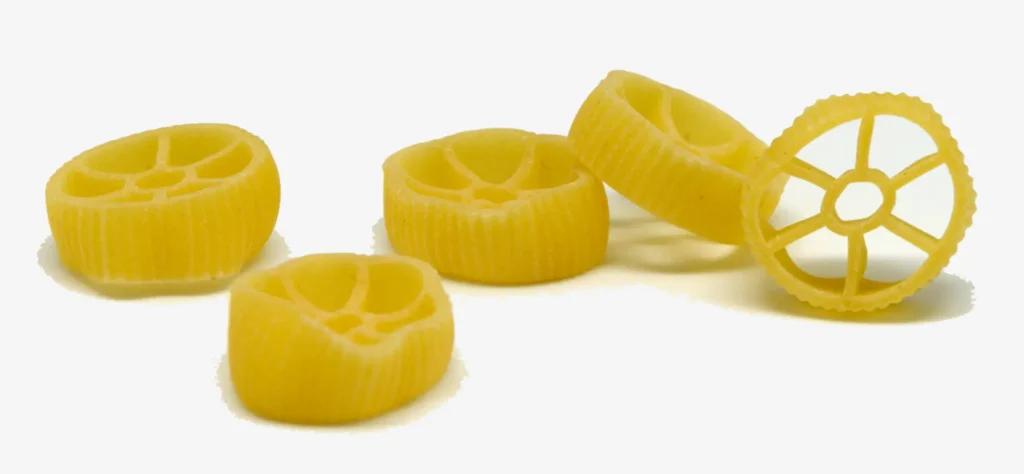
Ruote pasta is a short, wheel-shaped Italian pasta known for its circular design with spokes that hold sauces, vegetables, and small ingredients exceptionally well.
This direct definition matches how users search, how AI systems summarize pasta shapes, and how featured snippets are selected.
What Is Ruote Pasta?
It is a dry pasta made from durum wheat semolina and shaped like a small wagon wheel. Its open spokes allow sauces to coat the pasta evenly while trapping small ingredients.
Because of this structure, ruote pasta performs especially well in mixed dishes, similar to how Corzetti pasta grips sauce through spirals and how Bucatini pasta uses ridges to retain texture.
Origin and History of Ruote Pasta
Ruote pasta developed in Italy in the early twentieth century, during a major shift from handmade pasta traditions to mechanical production. This period marked a turning point in Italian pasta history, as factories began producing standardized shapes using metal dies and controlled extrusion.
Older pasta shapes such as orecchiette, Pici, and trofie originated through hand-rolling and regional craftsmanship. These shapes relied on touch, pressure, and local techniques rather than machinery. Their forms often varied slightly from batch to batch.
Ruote pasta emerged as part of a new design philosophy. Instead of reflecting regional identity, it focused on function and repeatability. Mechanical extrusion allowed pasta makers to create the wheel shape with consistent spokes and uniform thickness, something not achievable by hand at scale.
The name ruote means “wheels” in Italian. The design mirrors wagon wheels and early industrial machinery, symbols of movement and modernization in early twentieth-century Italy. In export markets, the same shape is commonly labeled rotelle, meaning “little wheels.”
According to De Cecco’s pasta shape guide, the wheel structure was intentionally developed to improve sauce and ingredient retention. The spokes and open cavities capture diced vegetables, herbs, and proteins more effectively than flat or smooth pasta shapes.
Unlike delicate handmade pasta, ruote holds its structure during boiling, mixing, and cooling. This durability helped it gain popularity in mixed dishes and later in cold pasta salads, where older handmade shapes often softened or broke.
Ruote pasta represents a modern chapter in Italian pasta history. It reflects the transition from regional, handcrafted forms to engineered shapes designed for efficiency, consistency, and everyday cooking.
Ruote Pasta: Historical Timeline
Pre-1900s: Italian pasta shapes are primarily handmade, including regional varieties such as orecchiette, pici, and trofie. Shapes vary by region and are produced using manual techniques.
Early 1900s: Mechanical extrusion becomes more common in Italian pasta production, enabling the production of precise, repeatable shapes.
Early 20th Century: Ruote pasta is introduced as a wheel-shaped design optimized for sauce and ingredient retention rather than regional identity.
Mid-1900s: Ruote become popular in mixed and family-style dishes for their durability and even cooking.
Late 20th Century: The shape becomes widely marketed internationally under the name rotelle, especially in export markets.
Today, ravioli remains a staple dry pasta shape, valued for versatility in hot dishes and pasta salads.
Shape, Texture, and Size
Shape: Circular wheel with a central hub and spokes
Texture: Smooth or lightly ridged, depending on extrusion
Diameter: Medium, typically 2–3 cm
Why the shape matters: The spokes trap sauce, herbs, cheese, and diced vegetables
This design places it between flat shapes like farfalle pasta and compact shapes like orecchiette pasta in terms of ingredient retention.
Best Sauces for Ruote Pasta
Ruote pasta pairs best with sauces that contain texture, body, or small solid ingredients. Its wheel shape, open spokes, and medium thickness allow sauces to settle into the pasta rather than slide off, creating balanced bites.
Thick Sauces
Chunky tomato sauces work exceptionally well with ruote pasta. The open cavities capture pieces of tomato, onion, and herbs, ensuring the sauce distributes evenly throughout the dish.
Vegetable or sausage ragù also pairs naturally with ruote. Diced vegetables and small meat pieces lodge inside the wheel pockets, delivering consistent texture. Compared to straight tube shapes such as penne pasta, ruote prevents heavier ingredients from collecting only at the bottom of the plate.
Creamy Sauces
Cheese-based sauces cling evenly to ruote pasta because the wheel’s surface area allows cream to coat both the outer rim and inner spokes. This creates a rich mouthfeel without excessive sauce.
Light cream sauces, including simple butter and cream combinations, remain stable on ruote pasta during mixing. The performance is similar to cavatappi pasta, but ruote offers more space for added vegetables or proteins.
Baked Dishes
Ruote pasta performs well in baked dishes with cheese and vegetables due to its structural strength. The wheels retain their shape during oven cooking and reheating, preventing collapse or over-softening.
In baked preparations, ruote maintains better definition than thinner shapes such as rotini pasta, which can lose texture under prolonged heat.
Why These Pairings Work
According to Academia Barilla, effective pasta and sauce pairing depends on matching the sauce density to the pasta’s surface area. Ruote pasta offers both open space and structural firmness, making it ideal for sauces that contain multiple components rather than smooth, fluid textures.
Sauces to Avoid with Ruote Pasta
Ruote pasta does not perform well with very thin or overly smooth sauces. Its open-wheel structure requires a body to allow the sauce to settle and remain evenly distributed.
Light oil-only sauces, such as plain olive oil with minimal emulsification, tend to drain through the spokes rather than cling to the pasta. This results in uneven coating and reduced flavor in each bite.
Delicate, clear sauces and light broths are also poor matches. The wheel shape allows liquid to escape quickly, making smaller pasta shapes better suited for these preparations.
Highly strained tomato sauces without texture can coat the surface briefly but fail to remain inside the wheel cavities. In these cases, simpler flat or long pasta shapes perform better.
Ruote Pasta vs Rigatoni and Farfalle for Sauces
Ruote pasta excels at holding sauces that contain small solid ingredients. Its spokes trap vegetables, herbs, and diced proteins, creating balanced bites throughout the dish.
Rigatoni pasta performs better with very thick, heavy sauces. Its wide tubes hold dense ragù well, but ingredients often settle inside the tube rather than distribute evenly across the plate.
Farfalle pasta works best with lighter cream or butter-based sauces. Its flat surface allows quick coating, but it lacks the internal structure needed to trap mixed ingredients as effectively as ruote.
In mixed sauces or pasta salads, ruote offers more consistent ingredient distribution than both rigatoni and Farfalle, making it a reliable choice when texture variety matters.
How to Cook it Perfectly
Water ratio: Use at least 4 liters of water per 500 g of pasta
Salt timing: Add salt once the water reaches a rolling boil
Cooking time: 9–11 minutes, depending on thickness
Al dente tip: Taste two minutes before the package time ends
Finish correctly: Drain and toss immediately with the sauce
Italian producers such as La Molisana recommend firm cooking to preserve the wheel structure.
Ruote Pasta vs Similar Pasta Shapes
Ruote vs Radiatori
Ruote uses spokes to trap ingredients
Radiatori pasta relies on compact ridges
Ruote works better in pasta salads
Ruote vs Fusilli
Fusilli pasta holds sauce through its spirals
Ruote traps both sauce and solids
Ruote provides a firmer bite
Is it Healthy?
It provides standard nutritional values comparable to those of dry semolina pasta.
Calories: ~350 per 100 g (dry)
Carbohydrates: ~70 g
Protein: ~12–13 g
Whole wheat option: Available for higher fiber
Portion size and sauce choice determine overall nutritional impact.
FAQs
Q: Is ruote pasta the same as rotelle pasta?
Yes. Ruote and rotelle describe the same wheel-shaped pasta. Ruote is the Italian term, while rotelle is commonly used in English-speaking markets.
Q: What is ruote pasta used for?
It is commonly used in pasta salads, baked dishes, and sauces with diced ingredients because the spokes trap solids evenly.
Q: Is ruote pasta good for pasta salad?
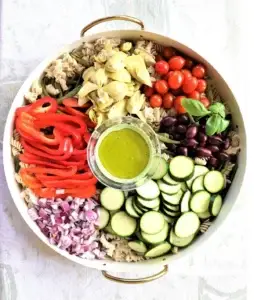
Yes. The wheel shape holds dressing, vegetables, and cheese, making it ideal for cold pasta salads.
Q: How long should ruote pasta be cooked?
It typically cooks in 9–11 minutes. Always test early to reach al dente texture.
Q: What is ruote pasta best used for?
Ruote pasta is best used for pasta salads, chunky vegetable sauces, and baked pasta dishes. Its wheel shape traps small ingredients like peas, diced vegetables, and cheese, ensuring even distribution and consistent flavor in every bite.
Q: Is ruote pasta Italian or American?
Ruote pasta is Italian in origin. It was developed in Italy during the early twentieth Century as part of modern, mechanically produced pasta shapes. While popular in American kitchens, its design and name come from Italian pasta-making traditions.
Q: Why does ruote pasta hold sauce so well?
Ruote pasta holds sauce well because of its spokes and open cavities. These structural features capture liquids and solid ingredients, unlike smooth or flat pasta shapes where sauce can slide off during mixing or serving.
Q: Is ruote pasta good for kids?
Yes. Ruote pasta is popular for children because of its playful wheel shape and manageable size. It is easy to eat, holds mild sauces well, and works nicely in simple pasta dishes and pasta salads.
Q: Can ruote pasta be used in soups?
It can be used in hearty soups with vegetables or beans. Its shape holds broth and ingredients, though it works best in thicker soups rather than clear broths, where smaller pasta shapes are preferred.
Q: Does ruote pasta cook evenly?
Yes. It cooks evenly due to its balanced thickness and open structure. Water circulates through the spokes during boiling, reducing the risk of undercooked centers compared to thicker tubular pasta.
Q: Is ruote pasta the same as wagon wheel pasta?
Yes. Wagon wheel pasta is the English name commonly used for ruote or rotelle pasta. All three names describe the same wheel-shaped pasta with spokes.
Q: What is the difference between ruote and radiatori pasta?
It uses spokes and open space to trap ingredients, while radiatori pasta relies on tight ridges. Ruote works better in pasta salads, while radiatori excels with thick, clinging sauces.
Q: Is ruote pasta suitable for creamy sauces?
Yes. Creamy sauces coat ruote pasta evenly and settle into the wheel cavities. This prevents sauce pooling and helps maintain a consistent texture throughout the dish.
Q: Does whole wheat ruote pasta exist?
Yes. Whole-wheat varieties are widely available and provide more fiber than standard semolina varieties. It maintains the same wheel shape while offering a slightly nuttier flavor and firmer texture.
Final Thoughts
It combines a playful design with practical performance. Its wheel shape delivers balanced texture and consistent flavor in both hot and cold dishes.
It remains a reliable choice for mixed sauces and family-style meals.

Syed Yasar Arafat is the founder of PastaLoverz.com and a food research enthusiast with a focused interest in pasta varieties, traditional Italian cuisine, and balanced eating. Through PastaLoverz.com, he publishes well-researched articles that explain pasta types, cooking methods, and nutritional considerations in clear, practical terms to help readers make informed food choices.
Pingback: Lasagna Pasta: 10 Amazing Tips for Perfect Layers
Pingback: Gemelli Pasta: 7 Essential Secrets for Perfect Twisted Pasta
Pingback: Delicious Casarecce Pasta Guide: 11 Proven Tips
Pingback: Tortelloni Pasta: 7 Amazing Facts You’ll Love
Pingback: 7 Delicious Facts About Cavatappi Pasta That Every Food Lover Should Know
Pingback: Delicious Guide to Fusilli Pasta: 10 Secrets for Perfect Twists Every Time
Pingback: Delicious Paccheri Pasta Recipes: 7 Irresistible Ways to Cook This Italian Classic
Pingback: Cannelloni: 7 Brilliant Ways to Master Classic Stuffed Tubes (Pro Guide)
Pingback: Delicious Tortiglioni Pasta: 9 Proven Secrets to Master the Perfect Twisted Tube
Pingback: Bigoli: 7 Irresistible Reasons to Love Veneto's Thick Pasta
Pingback: Mezze Maniche: 9 Powerful Secrets to Master Italy's Beloved Short-Tube Pasta
Pingback: Macaroni Pasta: 7 Powerful Secrets to Master This Classic Favorite
Pingback: Acini di Pepe Pasta: Amazing Guide with 7 Essential Facts
Pingback: 7 Irresistible Reasons Bigoli Will Win Your Heart
Pingback: Amazing 7 Reasons Rigatoni Pasta Delivers Big Flavor & Texture
Pingback: 8 Amazing Facts About Vermicelli That Will Change How You Cook It